Is Biodegradable Dish Soap Safe for Septic Systems?

Why International Student Networking Fails in Boston, MA

How To Plan a Reliable Office Network in Nashville, Tennessee
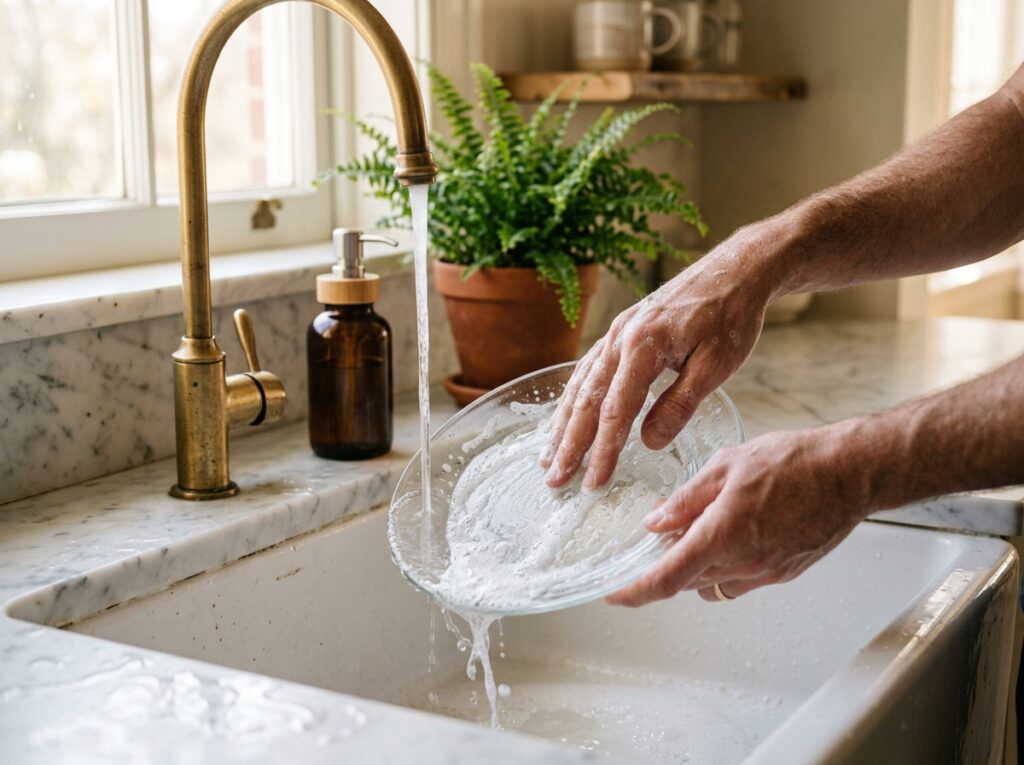
If your home relies on a septic system, the sink is part of the treatment process. Every plate you wash sends water, food residue, grease, and cleaning chemicals toward a tank that depends on biology and careful wastewater management. As sustainable living specialists at ecofriendlyparty.com/ warn, that reality makes a common question far more critical than it first appears: is biodegradable dish soap safe for septic systems?
The short answer is usually, “A normal amount of a mild dish soap is unlikely to be a problem, but biodegradable does not automatically mean septic-safe.” Septic systems are living treatment systems, and their performance depends on what enters the tank, how much water arrives, and what ultimately reaches the drainfield.
If you are researching cleaning products while also looking for
What “Septic-Safe” Actually Means
You should evaluate a septic-safe product in the context of the whole system, not by a single marketing word.
A conventional household septic tank contains microorganisms that help treat wastewater. The system also relies on settling, separation, and soil treatment after liquid leaves the tank. Excess solids, grease, harsh chemicals, and hydraulic overload can interfere with that process.
For dish soap, three questions matter:
- Does the formula contain ingredients that can unnecessarily stress the biological treatment process or create environmental concerns?
2. Are you using a reasonable amount rather than sending concentrated quantities down the drain?
3. Are you also controlling the things that matter even more, such as cooking grease, food solids, and excessive water flow?
University extension guidance is especially useful here because it treats septic care as a system-management issue. The University of Minnesota recommends using mild cleaners sparingly, avoiding harsh cleaners and antibacterial products, and keeping grease and food particles out of septic systems.
Biodegradable Is Helpful—But It Is Not the Whole Answer
Biodegradability tells you something about how a substance breaks down. It does not by itself answer every septic question.
For cleaning-product surfactants, EPA Safer Choice evaluates biodegradation together with aquatic toxicity and degradation products. That approach is useful because a molecule can break down and still deserve scrutiny depending on what it becomes and how it behaves before degradation.
Septic systems add another layer. Consumers may still use a biodegradable product excessively. Large doses of any cleaner increase the chemical load entering the system. Likewise, a product can be gentle in normal use while other household habits—such as sending cooking oil, grease, or large quantities of food waste into the tank—create a much bigger problem.
So the practical rule is: choose a mild, transparent formula, use the minimum amount that works, and focus on the whole wastewater routine rather than chasing a single “biodegradable” badge.
Why Phosphorus Matters
Phosphorus deserves special attention because it can contribute to nutrient pollution. EPA recommends choosing phosphate-free soaps and detergents as part of reducing nutrient pollution.
The septic issue is not that every trace of phosphorus will suddenly destroy a tank. The broader concern is what wastewater carries into the environment after treatment. A poorly functioning septic system can contribute nutrients and other pollutants to nearby water bodies.
When shopping, check whether the manufacturer clearly identifies the product’s phosphorus status. If your local authority, septic professional, or watershed program has stricter requirements, follow those requirements first.
This is one place where competitor content can be misleading through oversimplification: “biodegradable” and “phosphate-free” describe different properties. One does not substitute for the other.
Grease Is a Bigger Concern Than Many People Realize
Dish soap targets and breaks down grease. That is exactly why the way you use it matters around a septic system.
Never pour cooking oil, bacon fat, pan drippings, or large quantities of grease down the drain and assume dish soap will make the problem disappear. Soap can emulsify grease, allowing it to move farther through the wastewater system. Purdue Extension guidance specifically notes that dishwashing products effective at making grease more soluble can affect how fats, oils, and grease behave in septic systems.
The better habit is simple: scrape or wipe greasy cookware before washing. Let collected cooking oil cool and dispose of it through an appropriate local method. Then wash the remaining film with a reasonable amount of dish soap.
This is a valuable distinction: dish soap is for cleaning the residue that remains on cookware, not for making large quantities of cooking oil “safe” to pour into a septic tank.
Does Water Use Matter?
Yes. Septic systems do not only process chemicals; they also process water.
EPA septic guidance recommends using water efficiently and spreading major water-use activities rather than overwhelming the system. If several high-volume appliances or fixtures discharge at once, the system can receive more wastewater than it can comfortably treat.
For dishwashing, practical steps include running a full dishwasher load when appropriate, avoiding an endlessly running tap during handwashing, fixing leaks, and washing heavily soiled items efficiently.
A concentrated dish soap can be useful if it lets you use less product, but you should never confuse concentration with permission to use more. Follow the label dose. More soap is not a substitute for better washing technique.
What About Antibacterial Dish Soap?
If you have a septic system, there is little reason to choose an antibacterial dish soap simply because it sounds more hygienic.
The University of Minnesota’s septic guidance recommends avoiding antibacterial soaps because they can interfere with beneficial microorganisms. For ordinary dishwashing, the goal is to remove food, grease, and soil through surfactant action, mechanical scrubbing, and rinsing.
If you need to sanitize a surface for a specific food-safety reason, use a product and procedure designed for that purpose and follow the label. Do not assume that stronger cleaning chemistry is automatically better for a septic tank.
How to Read a Dish Soap Label for Septic Use
When comparing products, look for a combination of signals rather than a single phrase.
First, find the complete ingredient list. Transparency is useful because it lets you investigate the functional ingredients rather than relying on branding.
Second, look for credible certification or substantiation. EPA Safer Choice is relevant because it considers environmental and human-health criteria at the ingredient and product levels.
Third, check for phosphorus information where available.
Fourth, consider fragrance and preservatives if your household has sensitivities. “Natural fragrance” does not necessarily mean allergen-free.
Fifth, pay attention to directions. A product intended for hand dishwashing is not automatically suitable for an automatic dishwasher, and the reverse is also true.
Finally, consider your local septic guidance. System design, soil, loading, maintenance history, and local rules can change what is appropriate.
Is Seventh Generation Dish Soap Septic-Safe?
Seventh Generation’s current Fresh Lime & Ginger dish liquid page explicitly states that the dish liquid is safe for septic systems. The company also presents the product as EPA Safer Choice certified, USDA Certified Biobased, and packaged in a recyclable bottle. Its ingredient list identifies several plant-derived cleaning agents and also identifies synthetic preservatives and processing aids.
That combination is worth examining because it demonstrates how to evaluate a real product without reducing the analysis to “natural equals safe.” The manufacturer provides a specific septic-safety statement, while independent standards and transparent ingredient information provide additional context.
If you are considering a specific formula, a detailed
What Should You Avoid Putting Down a Septic Drain?
Dish soap is only one part of the picture. EPA guidance says to keep cooking grease and oil, paints, solvents, pesticides, pharmaceuticals, and other hazardous materials out of septic systems. Harsh drain openers and excessive chemical use can also create problems.
Food solids deserve attention too. Garbage disposals can increase the organic and solid load entering a septic tank, which is why many septic-care programs recommend limiting their use.
Think of the sink as a controlled entry point. Water and ordinary wash water belong there; concentrated hazardous chemicals, waste oil, and avoidable solids do not.
A Practical Septic-Safe Dishwashing Routine
You do not need a complicated ritual.
1. Scrape food scraps into the appropriate waste or compost stream.
2. Wipe heavy grease from pans before washing.
3. Use the minimum amount of mild dish soap needed.
4. Avoid antibacterial products unless you have a specific reason to use one.
5. Choose phosphate-free products where possible.
6. Do not pour cooking oil or chemicals down the drain.
7. Avoid running water continuously when you can wash efficiently in a basin.
8. Keep up with septic inspection and pumping recommendations.
9. Follow local septic guidance if it differs from generic advice.
These habits reduce both chemical and hydraulic stress and are more meaningful than simply buying a bottle labeled biodegradable.
Conclusion
So, is biodegradable dish soap safe for septic systems? In many households, using normal quantities of mild biodegradable dish liquid will not harm a properly maintained septic system. However, the “biodegradable” label guarantees nothing, and homeowners should never treat it as a substitute for sound septic maintenance.
The strongest approach is to choose transparent, appropriately formulated products, minimize the amount you use, keep grease and hazardous chemicals out of the drain, manage water use, and follow the guidance for your particular system.
If you are replacing your current dish soap, start by checking its ingredient list and environmental claims rather than buying based on packaging alone. Then compare the product with your septic professional’s or local authority’s recommendations. That small amount of research can protect both your wastewater system and the water environment around your home.
Frequently Asked Questions
Is all biodegradable dish soap septic-safe?
No. Biodegradability is only one property. Septic compatibility also depends on the formulation, dose, phosphorus content, household water use, grease management, and the specific septic system.
Can dish soap kill septic tank bacteria?
Harsh cleaners, disinfectants, and excessive chemical loads can disrupt beneficial microorganisms. Ordinary dishwashing liquid used in normal quantities is generally less concerning, but moderation is still important.
Is phosphate-free dish soap better for septic systems?
The EPA recommends reducing phosphorus in household soaps and detergents, which is generally a good environmental practice. Follow local requirements if your area has additional rules.
Can I pour grease down the drain if I use biodegradable dish soap?
No. Dish soap can disperse grease, but that does not make large quantities of cooking oil or fat appropriate for a septic system.
How much dish soap should I use with a septic system?
Use the minimum amount recommended by the product that still cleans effectively. More detergent is not better for the septic system or your wallet.
Call to Action
Ready to make a smarter switch? Compare the dish soap you use now with the checklist in this guide, verify the ingredients and environmental claims, and choose the option that best fits your household. If this guide helped you, share it with someone who is trying to reduce waste, improve cleaning-product choices, or make their kitchen routine more sustainable.
Sources for Fact-Checking
- S. EPA — Safer Choice Standard
- S. EPA — Safer Choice criteria for surfactants
- S. EPA — Septic system care
- FTC — Environmental Claims / Green Guides
- Seventh Generation — Dish Liquid
- University of Minnesota — Septic system care and maintenance
- Purdue Extension — Keep the Dirty Dozen Out of Your Septic System