
How to Make Authentic Georgian-Style Achma (Step-by-Step Recipe)

What Is Vicarious Liability for Auto Insurance? A Simple Legal Breakdown

How to Build a Custom Fishing Rod from a Kit
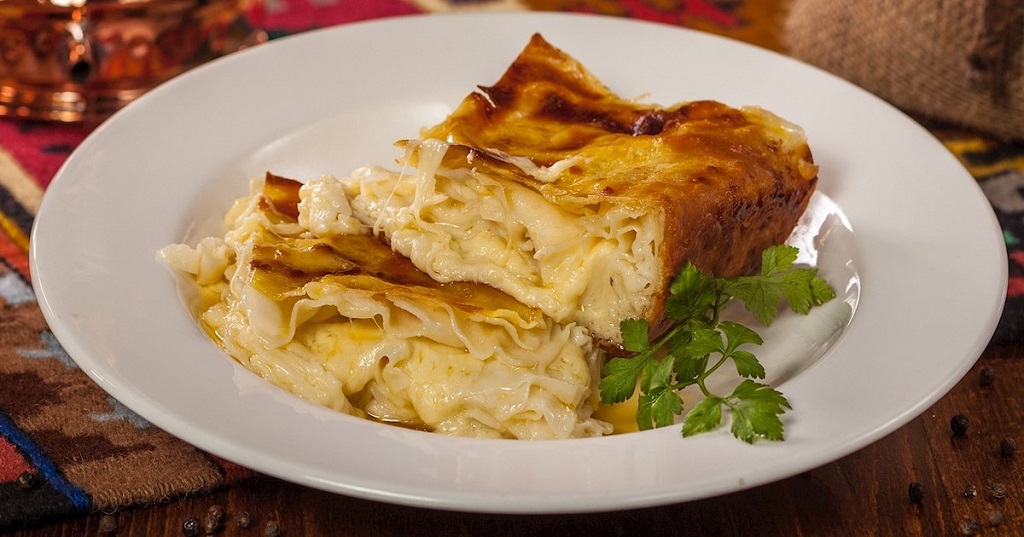
Georgian cuisine is a treasure trove of flavors, and one dish that stands out is the cheesy, layered delight known as Georgia-style achma. This traditional dish, often described as a lasagna-like casserole, combines delicate dough with rich cheese for a comforting meal. Whether you’re a seasoned cook or a beginner, this step-by-step recipe will guide you to create an authentic Georgia-style achma using simple ingredients and tools like the Smart Pasta Maker. With its golden crust and gooey center, achma is perfect for family gatherings or a cozy dinner at home.
What Is Georgia-Style Achma?
Achma hails from Georgia, a country renowned for its vibrant food culture. Unlike Italian lasagna, achma uses thin, hand-rolled dough sheets boiled briefly before layering with a blend of cheeses, such as sulguni and imeruli. The result is a melt-in-your-mouth dish with a unique texture. To dive deeper into the authentic preparation, check out this detailed Georgia-style achma recipe from Smart Pasta Maker, which inspired this guide. This dish is a staple in Georgian households, especially in the western regions like Adjara.
Why Make Achma at Home?
Preparing Georgia-style achma at home allows you to experience the heart of Georgian hospitality. The process is rewarding, and the ingredients are accessible. Plus, homemade achma lets you control the quality and customize the cheese blend to your taste. According to BBC Good Food, exploring international recipes like achma can expand your culinary skills while introducing new flavors to your table. Additionally, making achma is a fun activity to share with family or friends, turning cooking into a cultural adventure.
Ingredients for Authentic Georgia-Style Achma
To create a traditional achma, gather fresh, high-quality ingredients. Here’s what you’ll need for a 9×13-inch baking dish, serving 6-8 people:
- 4 cups all-purpose flour
- 4 large eggs
- 1 cup water (adjust as needed)
- 1 tsp salt
- 2 tbsp olive oil
- 1 lb sulguni cheese, grated (substitute with mozzarella if unavailable)
- 1/2 lb imeruli or feta cheese, crumbled
- 1 cup unsalted butter, melted
- 1/2 cup ricotta cheese (optional for creaminess)
- Fresh parsley for garnish (optional)
Ensure your cheese is fresh, as it’s the star of the dish. If sulguni is hard to find, a mix of mozzarella and feta mimics its salty, stretchy texture.
Equipment Needed
You don’t need fancy tools to make achma, but a few essentials simplify the process:
- Rolling pin or pasta maker (like the Smart Pasta Maker)
- Large pot for boiling dough
- 9×13-inch baking dish
- Mixing bowls
- Pastry brush for butter
- Sharp knife or pizza cutter
A pasta maker saves time when rolling dough, but a rolling pin works just as well with a bit of patience.
Step-by-Step Recipe for Georgia-Style Achma

Follow these steps to create a mouthwatering achma that captures the essence of Georgian cuisine.
Step 1: Prepare the Dough
In a large bowl, combine flour and salt. Make a well and add eggs, olive oil, and water. Mix until a smooth dough forms. Knead for 8-10 minutes until elastic. If the dough is too sticky, add a tablespoon of flour; if too dry, add a teaspoon of water. Wrap the dough in plastic and let it rest for 30 minutes. This resting period makes rolling easier.
Step 2: Roll Out the Dough
Divide the dough into 8 equal portions. On a floured surface, roll each portion into a thin sheet, about 1/16 inch thick. Aim for sheets slightly larger than your baking dish. If using a pasta maker, pass the dough through progressively thinner settings. Dust with flour to prevent sticking. Lay the sheets on a clean towel.
Step 3: Boil the Dough Sheets
Bring a large pot of salted water to a boil. Cook 6 of the 8 dough sheets one at a time for 1-2 minutes, until slightly softened but not fully cooked. Remove with a slotted spoon and place in a bowl of cold water to stop cooking. Drain and set aside. Keep the remaining 2 sheets uncooked for the top and bottom layers.
Step 4: Prepare the Cheese Filling
In a bowl, mix the grated sulguni, crumbled imeruli or feta, and ricotta (if using). The combination should be slightly salty and creamy. Set aside 1/4 cup of cheese for topping. If you prefer a milder flavor, adjust the ratio by adding more mozzarella.
Step 5: Assemble the Achma
Preheat your oven to 375°F (190°C). Grease the baking dish with butter. Place one uncooked dough sheet at the bottom. Brush generously with melted butter. Layer a boiled dough sheet on top, then spread a thin layer of cheese mixture. Repeat, alternating boiled dough and cheese, brushing each layer with butter. Finish with the second uncooked sheet on top. Brush with butter and sprinkle reserved cheese.
Step 6: Bake to Perfection
Cover the dish with foil and bake for 30 minutes. Remove the foil and bake for another 15-20 minutes until golden brown. The top should be crisp, while the inside remains soft and cheesy. Let the achma rest for 10 minutes before cutting to allow the layers to set.
Step 7: Serve and Enjoy
Cut into squares and garnish with parsley if desired. Serve warm with a side of fresh salad or pickled vegetables, as is traditional in Georgia. According to The Guardian, pairing cheesy dishes like achma with tangy sides balances the richness.
Tips for Perfect Georgia-Style Achma
To elevate your achma, consider these tips:
- Use room-temperature eggs for a smoother dough.
- Don’t overboil the dough sheets; they should be pliable, not mushy.
- Experiment with cheese ratios to suit your taste.
- Let the achma cool slightly before cutting to maintain its shape.
- Store leftovers in an airtight container in the fridge for up to 3 days. Reheat in the oven to restore crispness.
Common Mistakes to Avoid
Even experienced cooks can stumble. Avoid these pitfalls:
- Rolling dough too thick, which leads to a heavy texture.
- Skipping the butter between layers, as it adds flavor and prevents sticking.
- Overbaking, which dries out the cheese.
- Using low-quality cheese, which affects the dish’s authenticity.
Why Georgia-Style Achma Is Worth the Effort
Though achma requires time, the result is a show-stopping dish that brings people together. Its layers of dough and cheese create a comforting, indulgent experience. Moreover, mastering achma introduces you to Georgian culinary traditions, enriching your cooking repertoire. Whether for a special occasion or a weekend project, this dish delivers flavor and satisfaction.
Read More Also: How to Assess a Property’s Natural Light Potential
Conclusion
Georgia-style achma is a delicious journey into Georgian cuisine, blending simple ingredients into a rich, cheesy masterpiece. By following this step-by-step recipe, you can recreate an authentic dish that’s sure to impress. From preparing the dough to layering with cheese and baking to golden perfection, each step is straightforward yet rewarding. With tools like the Smart Pasta Maker and a bit of patience, you’ll serve a dish that captures the heart of Georgia’s culinary heritage. Try it for your next gathering, and enjoy the smiles it brings to the table.
Read More Also: Essential Tips for First-Time Homebuyers: Navigating the Real Estate Market with Confidence
Frequently Asked Questions
What is the difference between achma and lasagna?
Achma uses boiled dough sheets and Georgian cheeses like sulguni, while lasagna typically includes tomato sauce and Italian cheeses like mozzarella and parmesan.
Can I make achma without sulguni cheese?
Yes, substitute sulguni with a mix of mozzarella and feta to mimic its salty, stretchy texture.
How long does it take to prepare Georgia-style achma?
Preparation takes about 1 hour, with 45-50 minutes of baking time, totaling roughly 2 hours.
Can I freeze achma?
Yes, assemble the achma, wrap it tightly, and freeze before baking. Thaw in the fridge overnight and bake as directed.
Is achma served hot or cold?
Achma is best served warm, when the cheese is gooey and the top is crisp, but it can be enjoyed cold as a snack.


