
How to Assess a Property’s Natural Light Potential

How Many Computers Does a Car Have in 2025? Here’s the Real Answer

Essential Tips for First-Time Homebuyers: Navigating the Real Estate Market with Confidence
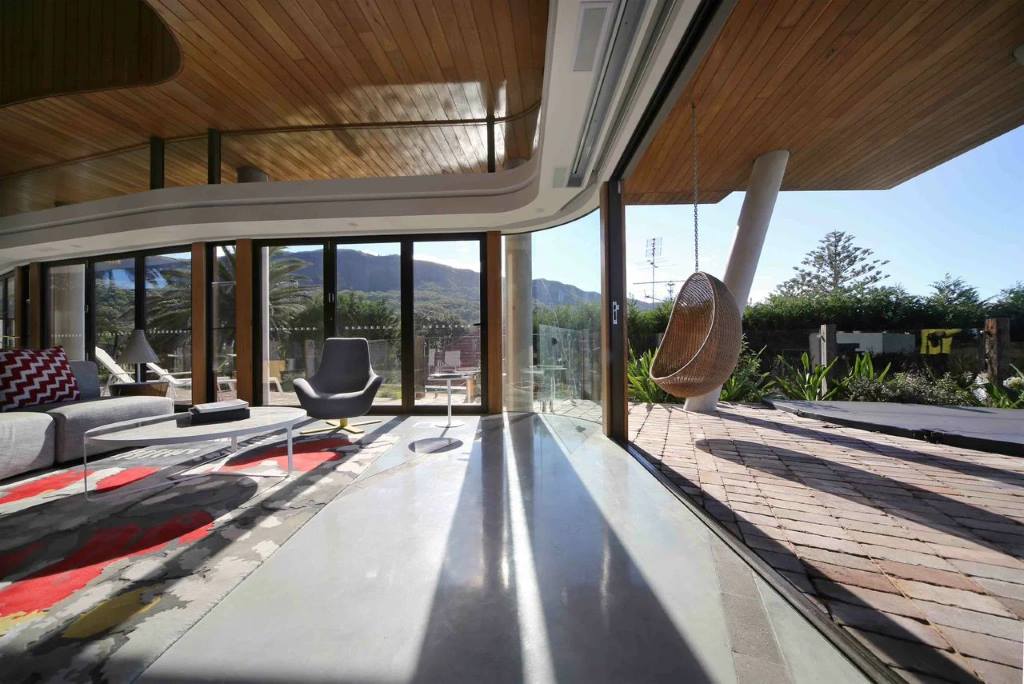
When buying or renovating a home, natural light is a key factor that influences comfort, energy efficiency, and overall ambiance. A well-lit home feels spacious, inviting, and uplifting, while poor lighting can make spaces feel cramped or gloomy. Assessing a property’s natural light potential requires careful observation and strategic planning. This guide from Local Value Magazine provides actionable steps to evaluate how much natural light a property can receive, ensuring you make an informed decision for your dream home.
Why Natural Light Matters in a Home
Natural light enhances a property’s appeal and functionality. It reduces reliance on artificial lighting, lowers energy costs, and supports mental and physical well-being. Studies from the National Institute of Health show that exposure to natural light boosts mood and productivity. Additionally, homes with abundant natural light often have higher market value, as buyers prioritize bright, airy spaces. For instance, when evaluating online listings, many buyers consider metrics like how many saves on Zillow is good to gauge a property’s popularity, often driven by features like natural light.
However, not all properties are designed to maximize sunlight. Factors like orientation, window placement, and surrounding structures play a significant role. Understanding these elements helps you assess a home’s potential to meet your lighting needs.
Step 1: Evaluate the Property’s Orientation
The direction a property faces significantly impacts its natural light. Homes oriented toward the south (in the Northern Hemisphere) typically receive the most sunlight throughout the day. East-facing rooms capture morning light, ideal for kitchens or breakfast areas, while west-facing rooms get afternoon and evening light, perfect for living spaces. North-facing rooms often receive softer, indirect light, which suits offices or studios.
To assess orientation:
- Use a compass or smartphone app: Determine the property’s cardinal direction during your visit.
- Check sunlight patterns: Visit the property at different times of the day to observe how sunlight enters each room.
- Consider seasonal changes: The sun’s angle varies between summer and winter, affecting light intensity and duration.
By understanding orientation, you can predict which rooms will be brightest and plan your layout accordingly.
Step 2: Analyze Window Size and Placement
Windows are the primary source of natural light, so their size, number, and placement are critical. Large windows or floor-to-ceiling glass allow more light to enter, while smaller or poorly placed windows can limit brightness.
When evaluating windows:
- Measure window-to-wall ratio: A higher ratio (more window area relative to wall space) indicates better light potential.
- Check window types: Double-hung, casement, or picture windows allow varying amounts of light. Skylights or clerestory windows can enhance light in darker areas.
- Inspect window conditions: Dirty, tinted, or frosted glass reduces light penetration. Ensure windows are clean and unobstructed.
Additionally, consider the potential for adding windows or skylights if the current setup is inadequate. Consult local building codes to understand renovation possibilities.
Step 3: Assess External Obstructions
External factors like trees, neighboring buildings, or fences can block sunlight. A property surrounded by tall structures may receive limited direct light, even with large windows. Conversely, an open lot with minimal obstructions maximizes light exposure.
To evaluate obstructions:
- Observe surroundings: Note nearby buildings, trees, or hills that cast shadows.
- Check seasonal impacts: Deciduous trees may block light in summer but allow it in winter when leaves fall.
- Consider future developments: Research planned constructions in the area that could affect light in the long term.
Visiting the property during different seasons or reviewing local zoning plans can provide clarity on potential changes.
Step 4: Examine Interior Design and Layout
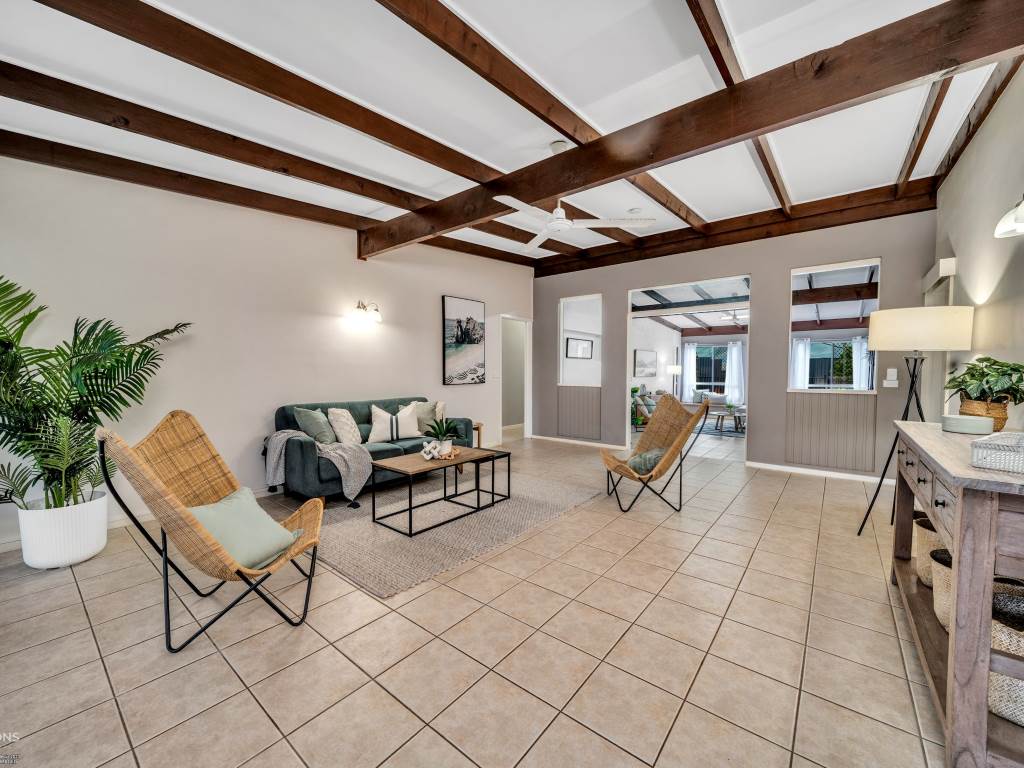
The interior layout and design choices influence how light moves through a home. Open floor plans allow light to flow freely, while compartmentalized rooms with many walls can create dark pockets. Reflective surfaces, like light-colored walls or mirrors, amplify natural light, while dark finishes absorb it.
To optimize interior light:
- Evaluate room layout: Open-concept designs or rooms with multiple windows enhance light distribution.
- Inspect wall and floor finishes: Light colors (e.g., white, beige) reflect more light than dark tones.
- Consider furniture placement: Bulky furniture near windows can block light, so plan for minimal obstruction.
If renovations are possible, removing non-load-bearing walls or adding glass doors can improve light flow.
Step 5: Test Light Levels with Practical Methods
Practical testing during property visits provides a clearer picture of natural light potential. Visit the home at different times—morning, noon, and late afternoon—to observe how light shifts. Additionally, use these techniques:
- Take photos or videos: Document light patterns in each room to compare later.
- Use a light meter: A simple device or smartphone app can measure light intensity in lumens.
- Assess glare and heat: Excessive direct sunlight can cause glare or overheating, so check for balance.
These methods help you quantify light levels and identify areas needing improvement.
Step 6: Factor in Climate and Location
Local climate and geography affect natural light. Properties in sunny regions like California receive more consistent light than those in cloudy areas like the Pacific Northwest. Urban settings with high-rise buildings may have less light than rural or suburban homes.
To account for climate:
- Research local weather patterns: Check average sunny days per year using data from the National Weather Service.
- Consider latitude: Homes closer to the equator receive more intense sunlight year-round.
- Evaluate microclimates: Coastal or hilly areas may have unique light conditions due to fog or elevation.
Understanding these factors ensures your expectations align with the property’s location.
Step 7: Plan for Enhancements
If a property’s natural light potential is limited, consider enhancements to maximize it. Simple changes like trimming trees or installing larger windows can make a difference. For more significant improvements, consult an architect or contractor to explore options like adding skylights or reflective interior finishes.
However, balance aesthetics with energy efficiency. Large windows increase light but may raise cooling costs in hot climates. Energy-efficient glazing or window treatments like sheer curtains can help manage light and temperature.
Read Also:
What to Expect During the Home Appraisal Process
Houston Eco-Friendly Cleaning Products: Reviews and Where to Buy
FAQs
How can I tell if a room gets enough natural light?
Measure light intensity with a light meter or observe the room at different times of the day. A well-lit room should feel bright without excessive glare and support daily activities without artificial lighting during daylight hours.
What window types are best for maximizing natural light?
Picture windows, bay windows, and skylights allow the most light. Floor-to-ceiling windows or glass doors also enhance brightness, especially in open-plan spaces.
Can I improve natural light in a north-facing room?
Yes, use light-colored walls, mirrors, and minimal window obstructions. Adding skylights or clerestory windows can also bring in more light.
How do trees affect a property’s natural light?
Trees can block sunlight, especially in summer when leaves are dense. Deciduous trees allow more light in winter, while evergreens create consistent shade year-round.
Should I consider natural light when buying a home?
Absolutely. Natural light impacts comfort, energy costs, and resale value. Homes with good light are often more desirable, as reflected in metrics like Zillow saves.
Conclusion
Assessing a property’s natural light potential is a critical step in choosing a home that meets your lifestyle and aesthetic needs. By evaluating orientation, windows, obstructions, interior design, and local climate, you can make an informed decision. Practical testing and planning for enhancements further ensure the property aligns with your vision. A home bathed in natural light not only feels welcoming but also supports well-being and energy efficiency, making it a worthwhile investment for years to come.






