How to Choose Gel Padded Cycling Shorts for Women (Complete Guide)

How to Use Cordless Power Tools Safely (Beginner Guide)

How to Pick the Best Portable Bike Tire Inflator for Daily Use
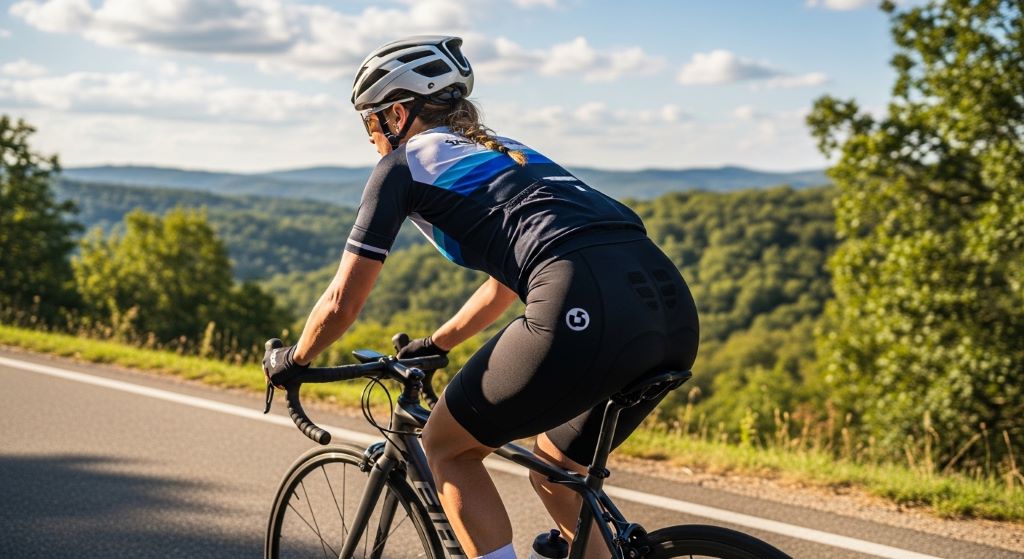
Finding the right cycling shorts can feel overwhelming. There are so many options on the market today. However, choosing the right pair does not have to be stressful. The key is knowing what to look for before you buy.
Cycling shorts for women are designed to make long rides more comfortable. The padding inside, often called a chamois, plays a huge role in how you feel on the saddle. Therefore, understanding padding types is one of the most important steps in your decision.
This guide covers everything you need to know. From padding materials to fit and fabric, we will walk you through each factor. By the end, you will feel confident choosing shorts that suit your riding style and body.
Why Padding Matters in Women’s Cycling Shorts
When you sit on a bike saddle, your sit bones carry most of your weight. Over time, this pressure can cause soreness and chafing. Good padding helps distribute that pressure more evenly across your body.
Women’s anatomy is different from men’s. This means padding designed specifically for women fits better and provides more targeted support. Additionally, women-specific chamois tend to be shorter in length and wider in the sit bone area.
The thickness and material of the padding matter greatly. Too much padding can feel bulky. Too little can leave you sore after even short rides. Finding the right balance is essential for comfort and performance.
Understanding Padding Types: Gel vs. Foam
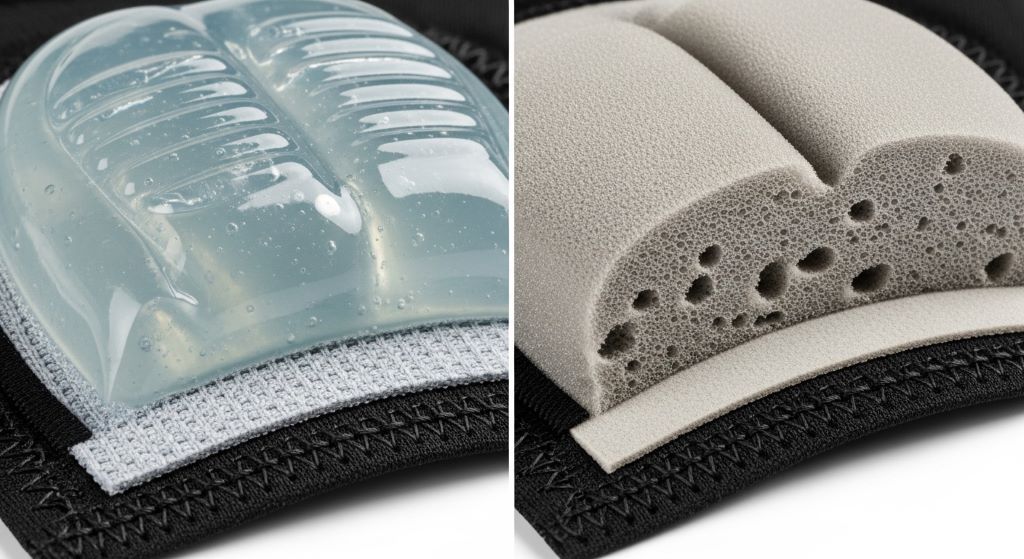
Most cycling shorts use either gel padding, foam padding, or a combination of both. Each material has its own strengths. Understanding the gel pad vs foam padding, cycling comfort comparison will help you make a smarter choice.
Gel Padding: What It Offers
Gel padding is soft and pliable. It molds to the shape of your body as you ride. This makes it a great choice for casual cyclists and those who ride at a slower pace. Additionally, gel absorbs vibrations from the road very well.
The main advantage of gel is immediate comfort. You feel it working as soon as you sit down. However, gel padding can sometimes shift during longer rides. It can also retain heat, which may become uncomfortable in warm weather.
Gel padding tends to be thicker. Therefore, it suits leisure rides and shorter distances best. If you mostly cycle on weekends or do casual fitness rides, gel padding is a solid choice.
Foam Padding: What It Offers
Foam padding is lighter and more structured than gel. It holds its shape better over long distances. For this reason, serious cyclists and those who train regularly often prefer foam.
Modern foam chamois pads use high-density foam with varying thickness zones. Thicker zones sit under your sit bones. Thinner zones appear at the edges to prevent bunching. This zoned design improves pedaling efficiency significantly.
Foam also breathes better than gel in most cases. This keeps you cooler and drier. However, foam may feel firmer, especially in the beginning. It takes a few rides to break in properly.
Combination Padding: The Best of Both Worlds
Many premium cycling shorts now use a combination of both materials. Foam forms the base layer for structure and support. Gel inserts sit on top in high-pressure areas for extra cushioning. This approach gives you the firmness of foam and the softness of gel together.
When doing a gel pad vs foam padding, cycling comfort comparison, combination pads often come out on top for versatility. They work well across different riding styles and distances. Therefore, if you are unsure which type suits you, combination padding is a safe bet.
Key Factors When Choosing Cycling Shorts
Fit and Sizing
Cycling shorts should fit snugly without cutting off circulation. They should not bunch up around the thighs or waist. A good fit means the chamois sits flat against your body without gaps.
Always check the sizing chart before ordering. Cycling shorts brands often size differently from regular clothing. Additionally, try them on if possible before a long ride to make sure everything stays in place.
Fabric and Compression
The outer fabric of cycling shorts is just as important as the padding. Look for a four-way stretch material that moves with your body. Lycra and spandex blends are common. They offer both flexibility and muscle support.
Compression fabric can reduce muscle fatigue during longer rides. It holds your muscles in place and improves blood flow. However, too much compression can feel restrictive. Find a balance that feels supportive but comfortable.
Waistband Design
The waistband should sit flat and stay in place during pedaling. A wide, silicone-gripper waistband works best. It prevents the shorts from riding up. Some cyclists prefer bib shorts, which use shoulder straps instead of a waistband.
Bib shorts offer superior support and stay in place more reliably. However, they can be awkward for bathroom breaks. Standard waistband shorts are more convenient for casual riders and beginners.
Leg Grippers
Silicone leg grippers stop the shorts from creeping upward. They should be snug but not leave marks on your skin. Look for wide, flat grippers for the most comfortable experience. Narrow grippers can dig in on long rides.
How to Match Shorts to Your Riding Style
Your riding style has a big impact on what shorts you need. Different types of cycling demand different levels of padding and support. Here is a simple breakdown to guide you.
- Casual and leisure cycling: Gel padding works well here. Short rides at low intensity benefit from the immediate, plush comfort gel provides.
- Road cycling and endurance rides: Foam or combination padding is better. You need structure and breathability for hours in the saddle.
- Mountain biking: Look for shorts with durable outer fabric and moderate padding. Many MTB riders prefer baggier shorts over liner shorts with built-in chamois.
- Indoor cycling and spin classes: Thin to moderate foam padding is ideal. Too much cushioning makes it harder to feel connected to the spin bike.
- Commuter cycling: Comfort and practicality both matter. A lightweight chamois with minimal bulk works well for everyday riding.
Caring for Your Cycling Shorts
Proper care extends the life of your cycling shorts significantly. Always wash them after every ride. Sweat and bacteria can break down padding material over time. Additionally, frequent washing keeps odors away.
Use a gentle detergent and wash on a cold or delicate cycle. Avoid fabric softeners, as they can damage the chamois padding. Turn the shorts inside out before washing to protect the outer fabric.
Never put cycling shorts in a dryer. Heat breaks down elastic fibers and gel padding quickly. Instead, hang them to air dry in a cool, shaded spot. This keeps the fabric and padding in good shape for longer.
Top Tips Before You Buy
Shopping for cycling shorts is easier when you have a clear checklist in mind. Keep these tips handy as you compare options.
- Always read reviews from women cyclists who ride a similar distance and style as you.
- Avoid wearing underwear beneath cycling shorts. The chamois is designed to sit against bare skin for hygiene and comfort.
- Consider investing in a mid-range or premium pair if you ride more than twice a week.
- If you are between sizes, size up for a more comfortable chamois position.
- Test new shorts on a shorter ride before taking them on a long distance.
Budget vs. Premium Cycling Shorts: What’s the Difference?
You do not always need to spend a lot to get comfortable shorts. However, price often reflects quality in this category. Budget shorts may use thinner padding and less durable fabric. They are fine for occasional short rides.
Premium cycling shorts use advanced chamois technology. They feature multi-density foam zones, antibacterial treatments, and seamless construction. Additionally, the outer fabric is often more durable and offers better UV protection.
If you ride regularly or plan to increase your mileage, investing in quality shorts pays off. They last longer and protect your body better over many hours in the saddle.
Conclusion
Choosing the right gel padded cycling shorts does not have to be complicated. Start by thinking about how often and how far you ride. Then consider which padding type suits your comfort needs best.
Gel padding offers immediate softness and vibration absorption, making it ideal for casual riders. Foam padding provides structure and breathability, which works better for longer and more intense rides. Combination padding gives you flexibility across both situations.
Beyond padding, pay attention to fit, fabric, waistband design, and leg grippers. All of these elements work together to deliver a comfortable ride. Therefore, take your time, compare options, and choose shorts that truly match your cycling lifestyle.
With the right pair of cycling shorts, every ride becomes more enjoyable. Your body will thank you, and your performance will likely improve too. Happy cycling!
Frequently Asked Questions
1. How thick should the padding be in women’s cycling shorts?
Padding thickness depends on your ride duration and intensity. For rides under an hour, moderate padding around 8 to 12 mm is sufficient. For longer rides of two hours or more, look for 12 to 20 mm in high-pressure zones. Thicker is not always better, as excessive padding can cause chafing.
2. Can I wear gel padded cycling shorts for spinning classes?
Yes, you can. However, thinner foam padding is often more practical for indoor cycling. Spin bike saddles are already cushioned in many gyms. Therefore, a thick gel chamois can create too much distance between you and the saddle, reducing your connection and stability during standing climbs.
3. How often should I replace my cycling shorts?
Most cycling shorts last between one and three years with regular use. Signs that you need a new pair include flat or compressed padding, stretched fabric, faded leg grippers, or increased soreness after rides. Washing and caring for them properly will extend their lifespan.
4. Is gel padding or foam padding better for beginners?
For beginners, gel padding is a popular starting point because of its instant comfort. It feels soft right away without a break-in period. However, as you progress and ride longer distances, transitioning to foam or combination padding often delivers better results. The gel pad vs foam padding, cycling comfort comparison really comes down to how long and hard you ride.
5. Should cycling shorts be worn without underwear?
Yes, absolutely. Cycling shorts are designed to be worn directly against your skin. Wearing underwear underneath creates extra seams, which increases friction and the risk of chafing. The chamois padding is designed and often treated with antibacterial properties to keep you clean and comfortable without underwear.
Related Topics:
How to adjust the disc brakes on a mountain bike?
How Advances in AR-15 Technology Influence Modern Shooting Sports