Alloy vs Wire vs Steel Wheels: How Spoke Design Changes the Ride

Signs of Hidden Moisture Problems in Your Home
The alloy vs wire vs steel wheels decision shapes how a car feels on every bump, turn, and highway mile. Two wheels can share the same tire size yet deliver very different steering response, ride comfort, and repair costs. That difference comes down to how the wheel is built, and spoke design sits at the heart of it. click here if you want a broader look at vehicle buying and maintenance topics before you decide. This guide explains the three constructions in plain terms, shows where each one shines, and helps you pick the right set for your driving.
Quick answer: Alloy wheels are cast or forged from aluminum and usually give the best balance of low weight, stiffness, and everyday durability. Steel wheels cost less and absorb impacts well, while wire wheels suit classic cars and favor style over easy maintenance. Match the wheel to your roads, budget, and how much upkeep you accept, and the ride will follow.
What is alloy vs wire vs steel wheels?
The three categories describe both the material and the way the wheel is assembled. Each one changes how load travels from the tire into the hub, and that path decides much of what you feel through the seat and steering wheel.
Alloy wheels
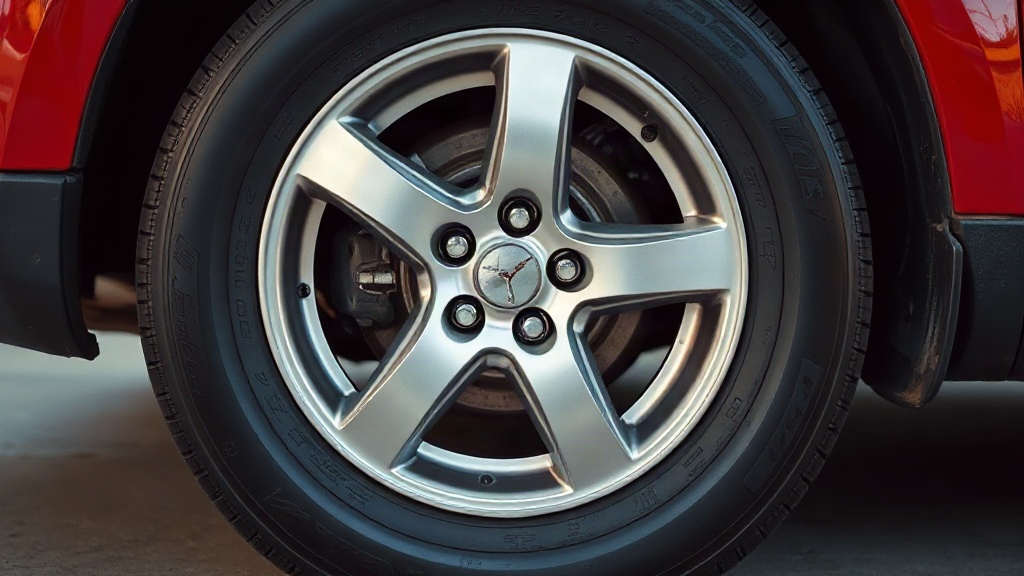
Alloy wheels are typically cast or forged from aluminum mixes. Casting pours molten metal into a mold, which keeps costs moderate. Forging presses and shapes a solid billet under high pressure, producing a denser, stronger wheel at a higher price. Most alloy designs use five to ten spokes that fan out from the hub to the rim. Because the spokes and rim form one rigid piece, the wheel resists flexing under cornering loads. That stiffness sharpens steering feel and keeps the tire contact patch steadier on smooth pavement.
Steel wheels
Steel wheels start as stamped steel discs welded to a rolled rim. They often wear a plastic or chrome cover, so many drivers never see the plain steel underneath. Spokes barely exist in the usual sense. Instead, a solid disc or a few wide ventilation holes handle the load. Steel bends before it cracks, which makes it forgiving on potholes and rough roads. The trade-off is weight and a heavier, less precise feel through the steering. Steel also dents more easily, and a bent rim can cause a slow leak.
Wire wheels
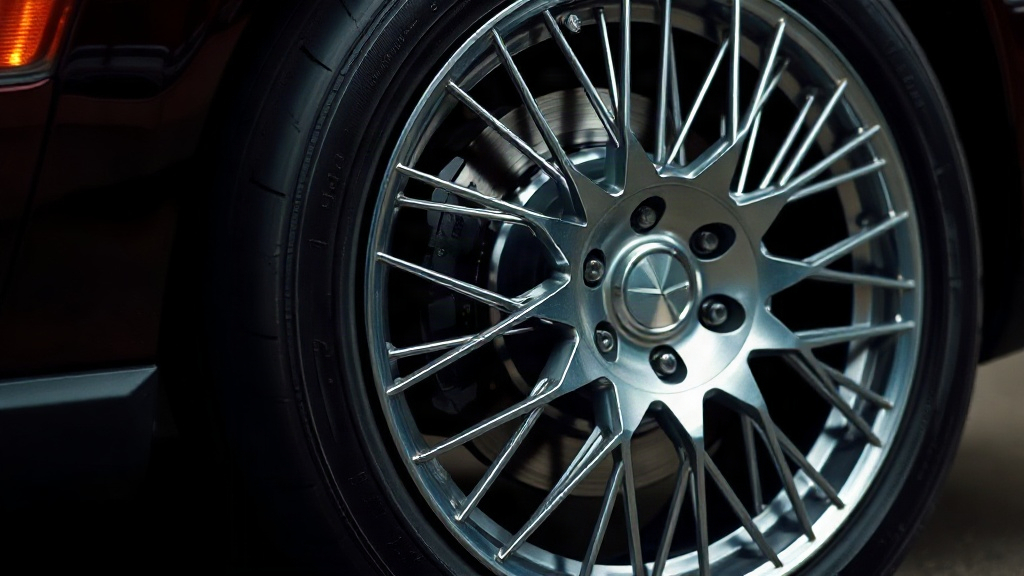
Wire wheels use dozens of thin steel or stainless spokes laced in a crosshatch pattern between a hub and a rim. This is the classic sports-car look, and it remains common on vintage and replica vehicles. Each spoke carries only a small share of the load, so the wheel flexes more as a whole. Truing the spokes, meaning adjusting tension so the wheel runs straight, is a regular maintenance task. A loose or broken spoke can pull the wheel out of alignment, so owners need patience and a spoke wrench. types of wheel spokes covers the patterns in more detail if you want to identify what you own or what you are shopping for.
Takeaway: Alloy is one rigid unit, steel is a stamped disc, and wire is a laced network of tensioned spokes. That structure, not just the metal, shapes the ride.
Why alloy vs wire vs steel wheels matters
Wheel choice affects comfort, safety, and the running costs you pay long after purchase. Small differences in weight and stiffness add up over thousands of miles.
Ride comfort and handling
A lighter wheel lets the suspension react faster to bumps, which usually improves ride quality and steering response. Alloy wheels tend to win here on paved roads. Steel wheels add unsprung mass, so sharp impacts feel harsher, yet their ability to bend can protect the suspension on rough surfaces. Wire wheels flex and absorb some vibration, which softens the ride at the cost of precision. Unsprung mass means the weight the suspension must control, and lower numbers generally mean better control.
Cost and repair
Steel wheels are the cheapest to buy and the cheapest to replace. A dented steel rim often bends back, while a cracked alloy usually needs replacement. Alloy repair is possible for curb rash and minor bends, but prices vary widely by shop. Wire wheels sit at the high end: fewer shops true spokes, and a full rebuild costs real money. For a winter set or a spare, steel makes plain financial sense.
Maintenance demands
Alloy needs basic cleaning to keep brake dust off the finish. Steel needs attention to rust, especially where paint chips. Wire wheels need spoke tension checks and careful cleaning around dozens of tight spaces. Potholes and road salt shorten the life of any wheel, but wire wheels suffer most from neglect.
Comparison: Weight, Cost, and Upkeep
| Factor | Alloy | Steel | Wire |
|---|---|---|---|
| Weight | Low to moderate | High | Moderate to high |
| Purchase cost | Moderate | Low | High |
| Repair ease | Moderate | Easy | Hard |
| Maintenance | Low | Low | High |
Notice that no column wins everywhere. Weight and looks favor alloy, cost and repair favor steel, and heritage style belongs to wire.
[!INSIGHT] Spoke count is not just cosmetic. More spokes spread the load across more contact points, which can soften the ride but adds weight and cleaning effort.
Takeaway: Buy for the conditions you drive, not just the look. Weight, repair cost, and upkeep all shift with the wheel type.
Best practices
Getting the most from any wheel comes down to matching it to the car and the road, then looking after it consistently.
Match the wheel to your driving environment
City drivers on smooth roads get the most benefit from alloy wheels and their lighter, sharper feel. Drivers facing gravel, deep potholes, or heavy snow often do better with steel. A modest steel set for winter protects expensive alloys from salt and curb damage. Wire wheels belong on classic cars driven in fair weather, where their character shines and maintenance stays manageable.
Check fitment before you buy
Bolt pattern, offset, center bore, and width must all match your vehicle. A wheel that fits the bolt pattern but has the wrong offset can rub suspension parts or sit too far out. Confirm the load rating too, especially on heavier vehicles. Buying used means checking these numbers yourself, because a seller may not know them.
Keep up with routine care
Clean wheels when you wash the car, and remove brake dust before it bonds to the finish. Check tire pressure monthly, since a slow leak can hint at a bent rim. On wire wheels, test spoke tension by tapping each spoke lightly and listening for a dull rattle. Rebalance wheels after any hard impact, even if the tire still holds air.
Rotate and inspect as a set
Rotate tires on schedule and look at each wheel while it is off the car. Look for cracks, dents, missing spokes, and corrosion around the valve stem. Catching a small issue early is far cheaper than replacing a wheel.
Takeaway: Fitment and maintenance protect your investment more than any single product choice. Check the numbers first, then keep the wheels clean and inspected.
Common mistakes to avoid
Most wheel problems come from a handful of avoidable habits. Spotting them early saves money and frustration.
Choosing looks over fit and function
A large-diameter alloy wheel with very thin tires may look sharp, but it leaves little rubber to absorb bumps. The ride turns harsh, and pothole damage becomes more likely. Oversized wheels can also change the speedometer reading and stress suspension parts. Style should follow fit, not replace it.
Ignoring offset and load rating
Two wheels can look identical and still fit differently. The wrong offset pushes the tire into the fender or too far inward. A load rating below what the vehicle needs risks failure under heavy loads. Check these numbers against the manufacturer’s specifications rather than trusting a visual match.
Neglecting wire wheel maintenance
Many wire wheel owners treat spokes as decorative. Loose spokes let the rim flex, and one broken spoke shifts load onto its neighbors. Routine truing prevents that chain reaction. Skipping it can turn a small adjustment into a full rebuild.
[!WARNING] A cracked alloy or steel wheel should not be driven on, even slowly. Cracks can grow quickly under load, so move the car off the road and fit the spare or call for help.
Mixing wheel types on one axle
Different wheel weights or diameters on the same axle upset handling and can confuse stability systems. Keep a matched set, and use the same type and size as a spare where possible.
Skipping post-impact checks
A hard pothole hit can bend a rim or knock alignment out of spec without a visible flat. Get the wheel and alignment checked after a heavy impact. This small step protects the tire and suspension over the long run.
Takeaway: Fitment and maintenance errors cost far more than the price gap between wheel types. Verify specs, keep sets matched, and inspect after impacts.
FAQ
Are alloy wheels worth the extra cost over steel?
For most everyday driving, yes. Alloy wheels cut weight, sharpen steering feel, and resist corrosion better than plain steel. You pay more upfront and face higher replacement costs after severe damage. If you drive rough roads often, steel’s low price and easy repair may serve you better.
Can I switch from steel to alloy wheels on the same car?
Usually, provided the new wheels match the bolt pattern, offset, center bore, and load rating. A reputable shop can confirm fitment before you buy. Expect a modest change in ride feel, mostly a lighter, more responsive steering sensation.
How often do wire wheels need maintenance?
Check spoke tension at least once a season, and more often with frequent driving. Truing is needed when the wheel runs out of round or spokes rattle. Regular cleaning matters too, because dirt trapped around spokes speeds corrosion.
Do steel wheels rust, and can I prevent it?
They can, especially where paint chips or road salt lingers. Touch up paint chips promptly, wash the wheels after salty drives, and keep the finish intact. Covers help cosmetically, but they also trap moisture if dirt builds up underneath.
Does spoke count affect ride comfort?
It can. More spokes spread load and stiffen the wheel, while fewer, wider spokes often weigh less. On wire wheels, spoke count and tension directly affect flex and ride softness. Feel matters more than any single number, so consider the whole wheel.
Conclusion
The material and spoke layout of a wheel decide more about the ride than most drivers expect. Alloy wheels offer a light, precise feel and easy care at a higher price. Steel wheels trade refinement for low cost and forgiveness on rough roads. Wire wheels deliver classic character but demand regular truing and cleaning. The best next step is simple: confirm your vehicle’s fitment specs, weigh your roads and budget, and choose a matched set that fits how you actually drive. When those pieces line up, the alloy vs wire vs steel wheels question answers itself, and you can enjoy the road with confidence.