How to Select Long-Lasting Materials for Outdoor Infrastructure

Bar Tools Every Home Bartender Needs

Signs of Hidden Moisture Problems in Your Home
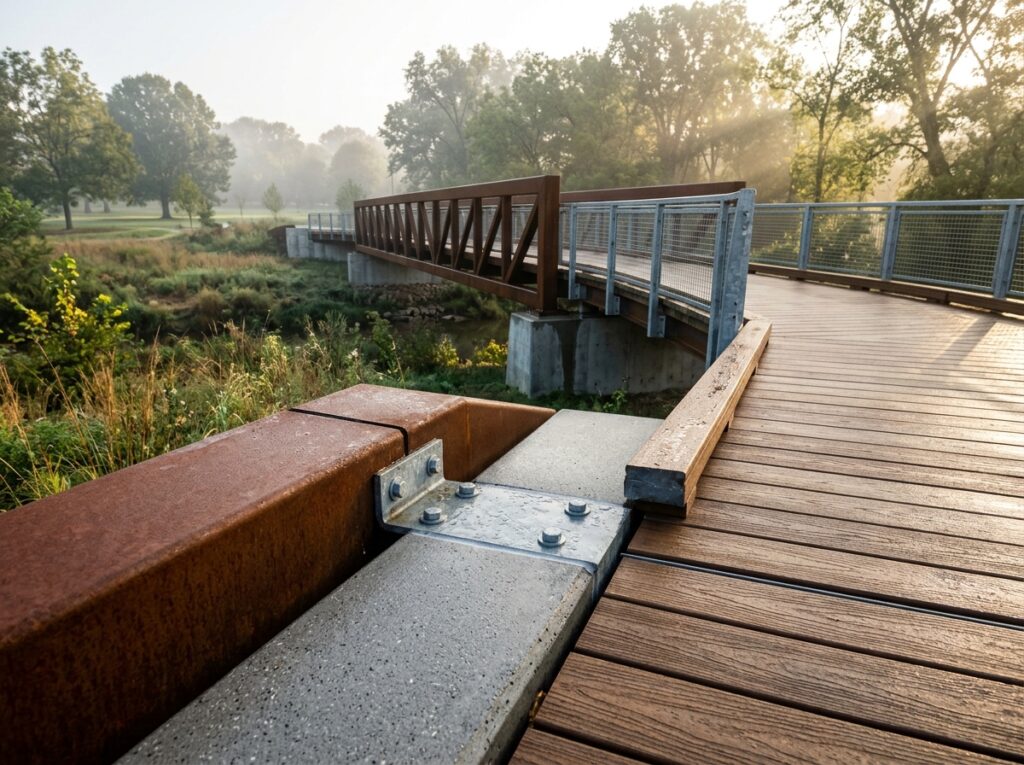
Outdoor infrastructure has to perform through weather, repeated use, and changing site conditions. Whether a project involves a dock, walkway, equipment platform, retaining feature, staging area, or industrial support system, selecting the right material means looking beyond the purchase price. For load-support applications, solid plastic dunnage may be one option to evaluate alongside wood, steel, and other engineered materials. Black Rhino Recycling has specialized in non-wood recycled plastic lumber products since 1991, including dunnage, cribbing, mats, timbers, and piles used in areas such as industrial rigging, marine work, military logistics, parks, and inland waterways.
The objective is not to identify one material that works everywhere. It is to choose a material that fits the site, the expected load, the safety needs, the maintenance plan, and the intended service life. A material that performs well in a dry pedestrian setting may be unsuitable for saltwater exposure, forklift traffic, standing water, or heavy equipment support.
Why Material Choice Matters More Than Ever
Exterior structures are exposed to rain, sunlight, moisture, temperature changes, abrasion, impact, and traffic. Over time, these conditions can affect surfaces, fasteners, connections, and structural components. Choosing solely on initial cost can create avoidable expenses later if a material requires frequent treatment, repair, or early replacement.
Lifecycle value offers a more useful comparison. It considers the full cost of owning a material, including installation, inspections, maintenance, repairs, closures, and eventual replacement. Planning for local hazards is also increasingly important. The infrastructure protection and resilience guidance from the U.S. Climate Resilience Toolkit reinforces the value of considering hazards across the anticipated life of an asset.
Start With the Project Environment
Before requesting quotes or comparing product specifications, define the environment in which the material will operate. Important conditions include:
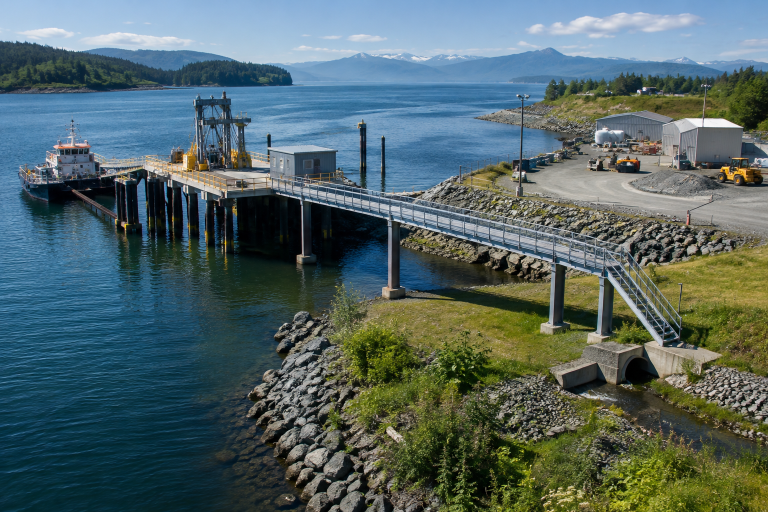
- Coastal and marine exposure: Salt spray, waves, humidity, and wet-dry cycles can accelerate corrosion and material deterioration.
- Flood-prone or wet sites: Standing water, poor drainage, and prolonged moisture may affect both the material and its supporting system.
- High-heat and high-UV locations: Strong sunlight can affect surface temperature, color, flexibility, and finish.
- Freeze-thaw climates: Water entering cracks or joints can expand when frozen and contribute to damage.
- Industrial yards and work zones: Equipment traffic, dropped loads, fuel exposure, and abrasion can create demanding wear conditions.
- Public parks and trails: Materials should support stable walking surfaces, safe transitions, and practical maintenance for public access.
Site conditions should shape the specification. Drainage, ventilation, foundations, fasteners, and connection details matter as much as the selected material itself.
Compare the Main Performance Factors
Load Capacity
Start by identifying what the structure will support: pedestrians, vehicles, stored cargo, machinery, containers, or temporary construction loads. Static loads are different from repeated, moving, or impact loads. A product should be selected using engineering information that matches the actual application, span, support spacing, and loading conditions.
Moisture and Water Exposure
Ask whether the material will face rain, humidity, ground contact, standing water, or immersion. Different products may swell, rot, corrode, crack, or lose surface quality under moisture exposure. Good drainage and airflow reduce risk, but they do not replace a suitable material choice.
UV, Weather, Impact, and Wear
Terms such as “weatherproof” or “industrial grade” are not enough on their own. Review available test data, installation limits, and manufacturer guidance for exterior use. Consider daily traffic, forklifts, rolling loads, equipment contact, and dropped objects. The right surface should be able to tolerate expected wear without creating splinters, sharp edges, loose components, or unstable walking conditions.
Review Maintenance Before Approving a Material
Maintenance is part of the material decision, not an afterthought. Some materials may need sealing, painting, treatment, corrosion protection, or regular board replacement. Others may reduce certain maintenance tasks but still require inspection of fasteners, supports, drainage paths, and wear areas.
For each option, document:
- Routine inspection intervals and likely problem areas.
- Cleaning methods and surface-care requirements.
- Coatings, treatments, or protective products required over time.
- Fastener and connection checks.
- Repair methods, material availability, and expected downtime.
- Likely replacement timing for high-wear components.
A higher initial price can still represent better value when it reduces labor demands, recurring repairs, disruptions, and site closures.
Consider Safety and User Comfort
Safety criteria should be written into the specification. In pedestrian areas, review traction when wet, transitions between surfaces, edge conditions, and potential trip hazards. In industrial areas, assess stability under expected loads, visibility, compatibility with equipment, and resistance to damage. For public-facing projects, also consider accessibility, heat buildup under direct sun, and the need for clear signs or barriers.
Include Recycled and Low-Maintenance Options
Recycled-content materials can support waste-reduction goals when they meet the project’s strength, safety, and service-life requirements. However, recycled content alone does not establish suitability. Review the complete material profile, including performance documentation, transport considerations, maintenance needs, repairability, reuse potential, and end-of-life handling.
Build a Simple Lifecycle Cost Comparison
Use a consistent formula when comparing alternatives:
Total Lifecycle Cost = Purchase Price + Installation + Maintenance + Repairs + Downtime + Replacement
For every material under consideration, record material and shipping costs, labor and tools, installation time, inspection frequency, anticipated maintenance, estimated service life, and disposal or recycling costs. This approach makes it easier to see why the lowest purchase price is not always the lowest long-term cost.
Ask Suppliers for Proof, Not Just Claims
Before approval, request load ratings or engineering data, material composition details, installation instructions, weathering information, surface-performance information, warranty terms, reference projects, and end-of-life guidance. Vague durability claims should be supported by measurable specifications that relate directly to the intended use.
A Practical Five-Step Selection Process
- Define the site: Record climate, moisture, sunlight, drainage, soil, traffic, and exposure conditions.
- Define the load: Identify people, vehicles, equipment, cargo, impact, and repeated-use demands.
- Set a service target: Decide how long the asset should perform before major renewal is expected.
- Compare lifecycle costs: Include labor, maintenance, repairs, downtime, and replacement.
- Verify the specification: Review product data, installation details, and supplier support before purchase.
Common Questions About Outdoor Materials
Is the most durable material always the best choice?
No. The best choice balances performance, cost, installation requirements, maintenance, safety, and actual site conditions. Over-specifying can add expense without producing a meaningful benefit.
When should a specialist be consulted?
Consult an engineer or qualified materials specialist when the project involves heavy loads, public access, structural support, marine conditions, unusual soils, or code-sensitive requirements.
Conclusion
Selecting long-lasting outdoor materials requires a full-project view. By evaluating exposure, loading, safety, maintenance, documentation, and lifecycle cost together, project teams can make decisions that support dependable performance and reduce avoidable repairs over time.