
How to Identify Genuine Sea Glass Jewelry: A Collector’s Guide to Spot the Real Deal

The Benefits of Proper Home Insulation for Energy Efficiency and Comfort

Best Features of Top Travel Journal Apps Every Traveler Needs
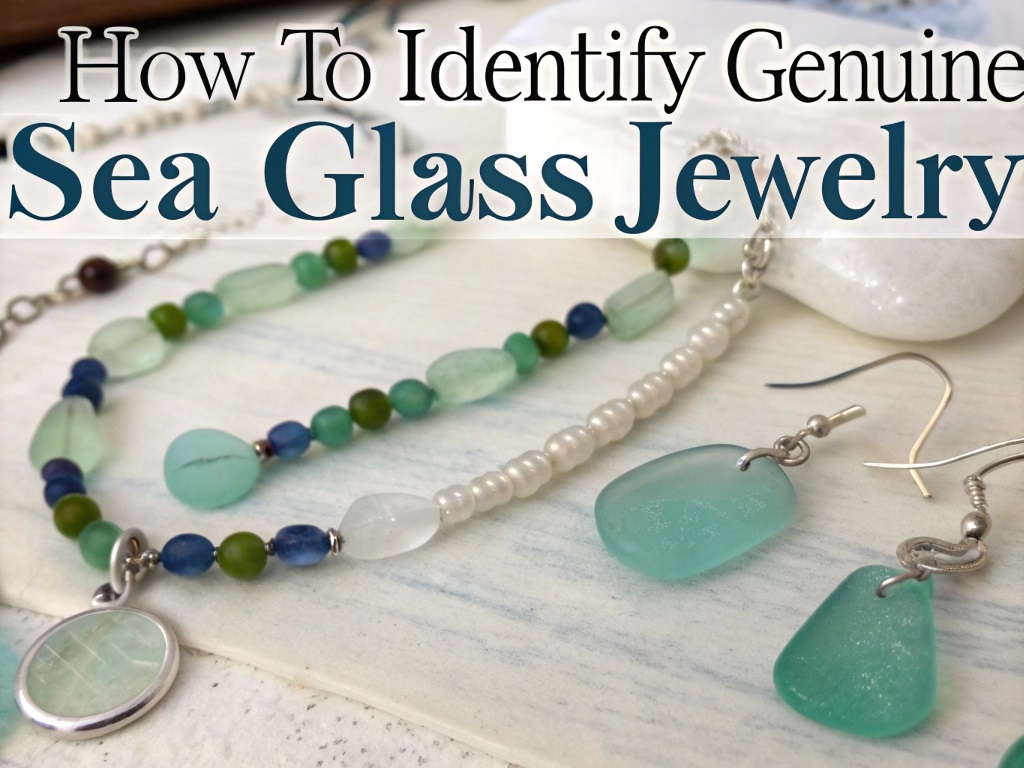
There’s something enchanting about sea glass jewelry. Each piece tells a story—formed by nature, smoothed by waves, and washed ashore with a history. Whether you’re a collector, a beachcomber, or a thoughtful gift-giver, knowing how to identify genuine sea glass jewelry is essential. I remember buying my first sea glass pendant during a coastal vacation, only to find out months later it was factory-tumbled glass. That mistake taught me how to look for the real thing.
If you want to avoid making the same error, you’re in the right place. This post breaks down everything you need to know to spot real sea glass. From texture and color to provenance and price, we’ll cover it all.
To discover more unique gift ideas and curated collections, be sure to explore Gift Teen for handpicked jewelry and beach-inspired treasures.
What Makes Sea Glass “Real”?
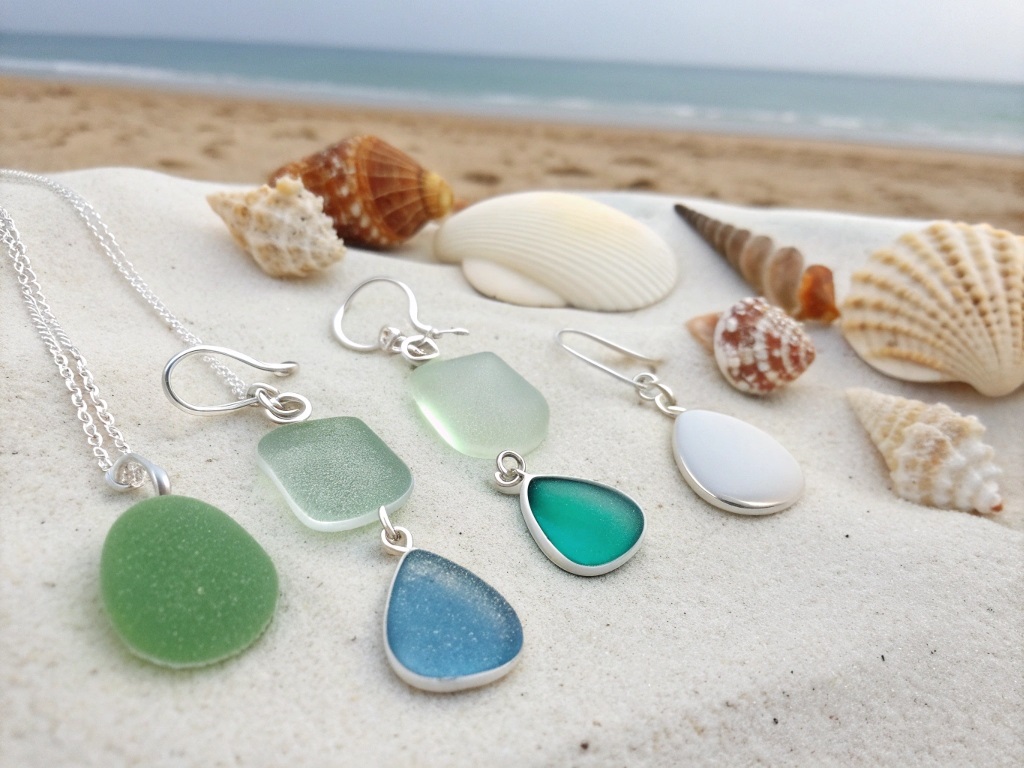
Before we get into spotting fakes, let’s understand what makes sea glass real. Authentic sea glass is made from discarded glass bottles and items that have been weathered by the ocean over 20 to 50 years. The natural tumbling by saltwater and sand gives it a frosted appearance and smooth texture.
Key traits of genuine sea glass:
- Naturally frosted surface
- Irregular shape with smooth edges
- Subtle, weathered colors
- Slight pitting or surface scars
Fake or artificial sea glass, often called “craft glass” or “tumbled glass,” is created in machines in just a few hours. Though it looks similar, it lacks the depth, imperfections, and unique ocean-worn charm of the real thing.
To protect your sea glass jewelry from aging poorly, it’s also important to learn how to avoid silver tarnish when storing or wearing it regularly.
1. Understand the Texture and Surface Quality
One of the most reliable signs of genuine sea glass is its texture. Real sea glass is gently frosted by years of abrasion from sand and sea. It should feel smooth but with a powdery, matte surface—not glossy.
Here’s how to test the surface:
- Hold the glass under a light. It should have a soft, frosted glow.
- Run your fingers along the surface. It should not be slippery or shiny.
- Look closely for small pits or imperfections. These are signs of true weathering.
Artificial sea glass, on the other hand, may look perfect. That’s a red flag. Tumbled glass often has a uniform appearance, with unnatural gloss or identical sizes.
According to marine researcher Richard LaMotte, who wrote Pure Sea Glass, authentic pieces rarely have perfect symmetry. That’s because waves don’t care about aesthetics—they shape each piece differently.
So, always choose pieces that look naturally flawed. Those imperfections are signs of a journey through time.
2. Recognize Natural Sea Glass Colors
Color plays a big role in identifying genuine sea glass. Some colors are common, while others are rare and more valuable. Here’s a breakdown:
Common genuine sea glass colors:
- Clear (white)
- Brown
- Green (often from soda or beer bottles)
Less common but still authentic:
- Blue (from medicine bottles)
- Aqua (from vintage glass)
- Soft lavender (sun-exposed manganese glass)
Extremely rare and collectible:
- Red (from old warning lights or tableware)
- Orange
- Yellow
- Black (often Victorian glass)
Beware of these signs:
- Bright neon colors (typically man-made)
- Overly consistent shapes or hues
- Translucent colors with perfect clarity
If you’re buying online, ask for the origin of the glass. Sellers who source from specific beaches and can tell you the backstory often deal in the real thing.
Additionally, keep in mind that genuine colors are often muted—not strikingly vibrant. Fake sea glass tends to exaggerate color to catch the eye.
3. Ask About Provenance and Sourcing
A trustworthy seller will usually offer some background on where their sea glass was found. This information adds both value and authenticity to your jewelry.
Questions to ask:
- Where was the sea glass collected?
- Was it found naturally, or tumbled?
- How long has it been in the ocean?
Popular sea glass hunting locations include:
- Seaham Beach (England)
- Fort Bragg (California)
- Kauai beaches (Hawaii)
- Glass Beach (Russia)
Jewelry sellers who specialize in genuine sea glass often share detailed stories, including beach names, glass types, or even tide schedules.
According to a 2023 article by National Geographic, only 20% of so-called sea glass sold online is actually ocean-found. The rest is tumbled glass or imitation pieces.
Tip: Look for small artisan sellers or Etsy shops with positive reviews. Big-box jewelry often uses synthetic or man-made versions that mimic the look but not the heritage.
4. Examine the Setting and Jewelry Craftsmanship
A real piece of sea glass deserves a quality setting. Poorly made jewelry can be another red flag.
Look at the following:
- Metal type: Real sea glass is often paired with sterling silver or gold-filled wire.
- Fit: The glass should be snug and secure in its setting.
- Backside visibility: Authentic jewelers often leave the back open to show the natural shape.
Avoid jewelry where the glass is glued or embedded in a metal mold. That’s a common technique used with factory-made pieces.
In my experience, handcrafted pieces have a certain rustic charm. The wirework or bezel settings feel personalized, not mass-produced. I once bought a pendant from a local artisan in Maine who showed me photos of the exact beach where it was found. That backstory made the piece priceless.
Always check the product description or ask the seller if the glass is natural. Genuine artists are proud of their material and will happily share the details.
5. Beware of Too-Good-To-Be-True Prices
Sea glass is becoming harder to find due to cleaner oceans and reduced littering. Therefore, authentic pieces carry a higher price.
Here’s a rough price guide:
- Basic pieces (common colors): $20–$50
- Rarer colors (blue, aqua): $50–$150
- Red or multi-color pieces: $200+
If you come across “sea glass jewelry” listed for $5–$10, be skeptical. That’s likely tumbled or faux glass.
Of course, price alone isn’t a guarantee of authenticity. But if the cost is far below average and the colors are vibrant or the shapes are too perfect, you’re likely looking at fakes.
Look for stores or artisans with return policies, certificates, or detailed descriptions that explain the origin. Trustworthy shops know their value and don’t hide it.
6. Read Reviews and Ratings Carefully
If you’re shopping online, customer feedback is your best friend. Look for detailed reviews—not just “looks nice” but ones that mention:
- Glass texture
- Authenticity claims
- Backstories shared by the seller
- Packaging or included certificates
Red flags include:
- No reviews at all
- Generic praise that feels copied
- No mention of where the glass came from
Use third-party review platforms or search forums for more honest feedback. Sites like Reddit’s r/Seaglass or the Sea Glass Lovers Facebook group can also help identify reputable vendors.
For extra security, buy from shops featured in artisan directories or recommended by sea glass collectors. That adds another layer of trust.
Read More Also: Glycerin for Dry Skin: Your Ultimate Guide to Hydrated, Healthy Skin
FAQs
How can you tell if sea glass is real or fake?
Real sea glass has a frosted, pitted surface and irregular shapes. Fake glass is often too smooth or shiny.
Why is red sea glass so rare?
Red sea glass often came from old car lights, warning lenses, or decorative glass. It’s rare due to limited use historically.
Is all tumbled sea glass fake?
Tumbled glass isn’t fake, but it’s not natural sea glass. It’s often used in craft projects, not fine jewelry.
Can you wear sea glass jewelry daily?
Yes, but protect it from hard impacts and chemicals. Store it properly and clean it gently to preserve the finish.
Where’s the best place to find sea glass jewelry?
Look for artisan shops or websites that provide provenance. Avoid mass-produced products or sellers with no story.
Discover More: Reusable Origami Gift Wrap: The Stunning Eco-Friendly Trend You’ll Wish You Knew Sooner
Final Thoughts
Real sea glass isn’t just jewelry—it’s history. Each fragment has weathered decades of ocean tides, collecting stories along the way. That’s what makes it so special. When you learn how to identify genuine sea glass jewelry, you also connect with nature, sustainability, and artistry.
Take your time. Ask the right questions. Look closely. And don’t be afraid to spend a little more for something that’s truly one of a kind.
If you’ve had a memorable experience with sea glass—whether collecting it or wearing it—we’d love to hear your story in the comments. And if you found this guide helpful, please share it with fellow beach lovers and jewelry fans!






