
Eco‑Friendly Living in Philadelphia: Urban Green Spaces & Waste‑Free Gardening

Open‑Back Face‑Off: Sennheiser HD 660S2 vs Hifiman – Which One Deserves Your Ears?

Houston Roofing Repair Services: Fast And Reliable
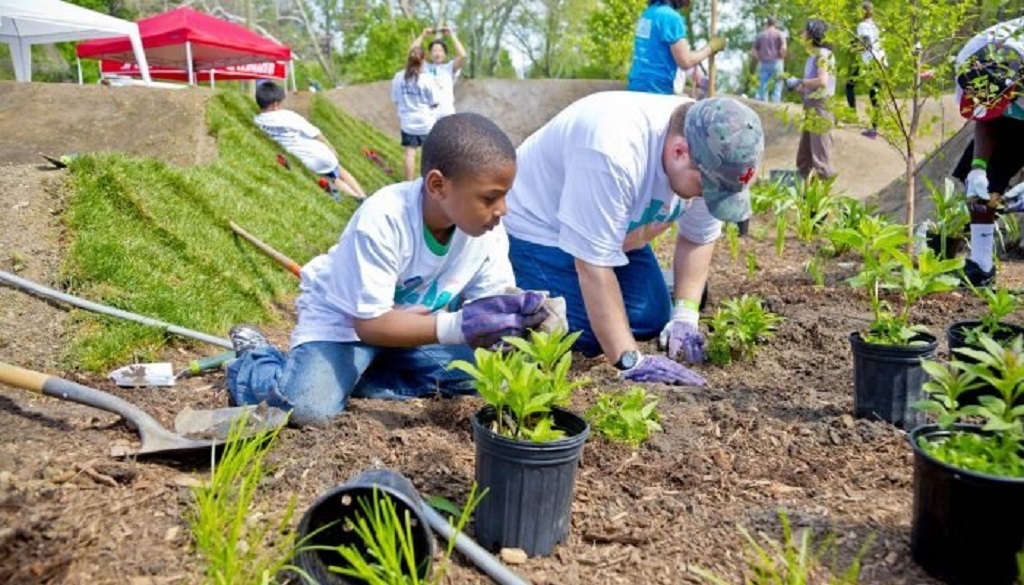
Philadelphia, known for its deep historical roots and vibrant culture, is now embracing a new identity—a leader in urban sustainability. As the city grapples with climate challenges and urban density, residents are turning toward eco-friendly living in Philadelphia, emphasizing green spaces and waste-free gardening as key solutions. This shift isn’t just a trend—it’s a powerful movement with measurable impact.
Urban Green Spaces: The Green Lungs of Philly
Philadelphia boasts over 10,200 acres of public parkland, including Fairmount Park, one of the largest urban parks in the nation. These green pockets aren’t just scenic retreats; they provide real environmental and health benefits. According to the Trust for Public Land, urban green spaces can reduce city temperatures by up to 7°F, mitigating heat island effects.
More than aesthetics, these spaces purify the air, absorb stormwater, and encourage biodiversity. For instance, Bartram’s Garden, a 45-acre public garden in Southwest Philly, offers educational programs on native species, soil regeneration, and sustainable agriculture. These community-driven spaces reconnect urban dwellers to nature and provide a sanctuary for pollinators like bees and butterflies.
However, access to green spaces remains unequal. A study from PennEnvironment showed that low-income neighborhoods have 46% less green cover than affluent areas. Bridging this gap is essential for inclusive eco-living.
Why Waste-Free Gardening Is Booming in Philly
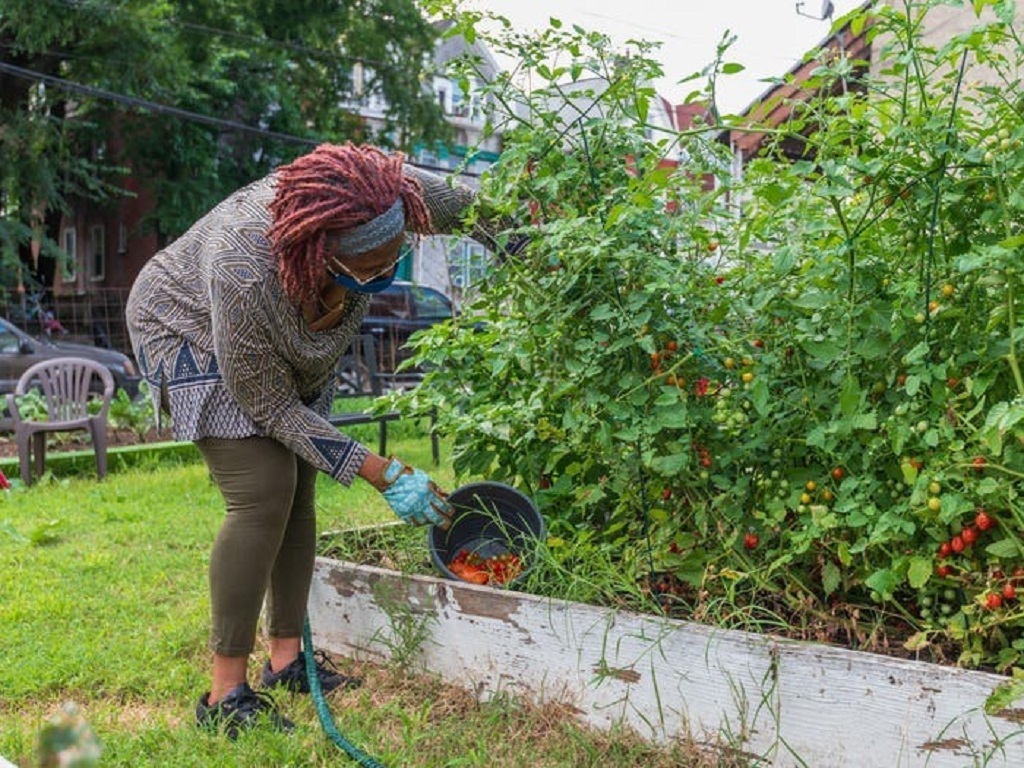
Waste-free gardening is at the heart of sustainable urban life. In a city that produces over 1.4 million tons of waste annually, small-scale composting and zero-waste practices offer a radical alternative. Philadelphia’s “Zero Waste and Litter Action Plan” has pushed for creative solutions, but grassroots action is what’s driving real change.
Urban dwellers are turning balconies, rooftops, and vacant lots into lush, productive gardens. Using compost bins, worm farms, and upcycled containers, residents grow vegetables, herbs, and flowers without adding to landfills. Groups like Soil Generation and Philadelphia Orchard Project help communities adopt regenerative gardening methods that prioritize local materials and organic waste reduction.
Key benefits of waste-free gardening include:
- Eliminating chemical fertilizers
- Reducing landfill contributions
- Improving soil health naturally
- Fostering community resilience and food security
Philadelphia’s climate supports a long growing season, which makes it an ideal location for year-round gardening with proper planning and tools.
Community-Led Initiatives Driving Change
What truly sets Philadelphia apart is its vibrant ecosystem of community initiatives. Nonprofits and volunteer groups are reclaiming neglected spaces and transforming them into green oases. Greensgrow Farms, once a Superfund site, now serves as an educational hub and organic farm in Kensington. It showcases how urban soil can be rehabilitated for productive use.
Similarly, Urban Creators, a youth-led organization in North Philly, integrates art, gardening, and activism to empower neighborhoods. Their 2-acre farm, Life Do Grow, produces fresh food and offers workshops on composting, permaculture, and waste-free practices.
These organizations prove that eco-friendly living doesn’t require vast resources—just passion, knowledge, and community collaboration.
Policy Backing and Citywide Goals
Philadelphia’s local government plays a crucial role in encouraging green transformation. Through the Green City, Clean Waters program, the city is investing over $2 billion in green infrastructure to reduce water pollution. This includes rain gardens, green roofs, and tree trenches.
The city also provides composting education and materials via programs like CleanPHL and Recycle Coach. However, critics argue that city-wide curbside composting is long overdue. More aggressive policy could accelerate adoption and make sustainable practices accessible to all residents.
Tackling Barriers to Eco-Friendly Living
Despite progress, challenges remain. Urban gardening often faces zoning restrictions, limited funding, and contaminated soil in post-industrial areas. Waste-free gardening requires initial investment and education, which can deter some residents.
To overcome this, organizations like PHS (Pennsylvania Horticultural Society) offer free workshops, starter kits, and soil testing to help new gardeners. City grants and community gardens further support those with limited space or resources.
Additionally, collaborations with schools have led to green curriculum integration, ensuring the next generation values sustainability from an early age.
A City Model Worth Replicating
Philadelphia’s approach to eco-friendly living provides a model for other urban centers. It combines grassroots innovation with policy support, showing that sustainability is achievable even in dense cities. From rooftop gardens in South Philly to reclaimed lots in West Philadelphia, the city is greening itself from the ground up.
With climate concerns rising and food insecurity affecting over 1 in 5 Philadelphians, urban green spaces and waste-free gardening offer more than lifestyle choices—they’re lifelines.
Read More Also: Best Baby Lounger Shops in Oakland, CA: Your Guide to Cozy Comfort for Your Little One
Frequently Asked Questions (FAQs)
-
What are some easy ways to start waste-free gardening in the city?
Begin by composting kitchen scraps, using recycled containers, and growing herbs on your windowsill or balcony.
-
Where can I find community gardens in Philadelphia?
Explore FarmPhilly or local Facebook groups to locate nearby gardens and open plots.
-
Is composting legal in Philadelphia?
Yes, and it’s encouraged. Programs like Circle Compost offer collection services if home composting isn’t feasible.
-
What types of plants grow best in Philly’s urban environment?
Tomatoes, kale, peppers, and herbs thrive in container gardens. Native plants like goldenrod and milkweed support pollinators.
-
Can renters participate in urban gardening?
Absolutely. Renters can join community gardens, use portable planters, or adopt small-scale indoor growing setups.
-
How does urban gardening help fight climate change?
It reduces food miles, captures carbon, improves soil health, and lowers urban heat through vegetation.
-
Are there city grants available for green projects?
Yes. Check with the Philadelphia Water Department or the Sustainable Business Network for current green grant programs.
Read More Also: What Real Estate Experts Wish Every Homebuyer Knew
Final Thought
Eco‑Friendly Living in Philadelphia: Urban Green Spaces & Waste‑Free Gardening is more than a buzzphrase—it’s a necessity in the face of urban and environmental challenges. By embracing regenerative practices, Philadelphians are reclaiming control over their food, their environment, and their future.
With continued community efforts and smarter city policies, Philly is sowing the seeds for a greener, cleaner tomorrow—one garden at a time.






