
Buying Pillows Online vs. In-Store: Pros and Cons

Can You Put Pillows in the Dryer? Here’s What You Need to Know

Best Robotic Vacuums of 2025: Smart, Silent, and Spotless
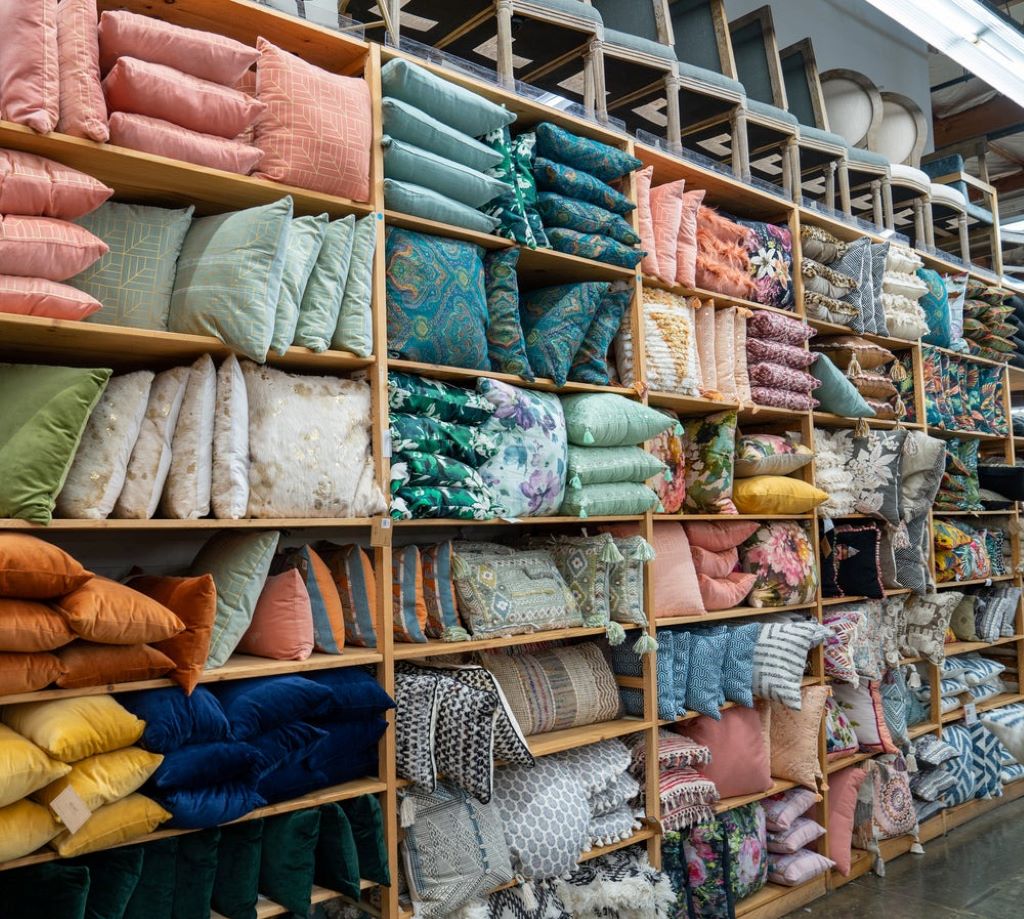
Choosing the perfect pillow often feels like a simple decision, yet it profoundly affects your sleep quality. Today, consumers face a dilemma: should they buy pillows online or in-store? Each option offers unique advantages and drawbacks that influence comfort, cost, and convenience. This article explores these two purchasing methods in-depth, providing data, expert opinions, and logical reasoning to help you make an informed choice.
The Appeal of Buying Pillows Online
Online shopping has revolutionized consumer behavior across almost every product category, and pillows are no exception. According to a recent report by Statista, over 65% of U.S. consumers prefer online shopping for household goods, reflecting convenience and accessibility. When it comes to pillows, the digital marketplace offers a vast array of options—far more than most physical stores.
One major advantage is variety. Online retailers typically stock numerous pillow types, from memory foam to latex, to cooling gel variants, enabling customers to compare specs, materials, and prices at a glance. Additionally, customers can read thousands of verified reviews, providing insights into real-world comfort and durability that in-store salespeople may not fully convey.
Cost efficiency also stands out. Online platforms often offer better deals, discounts, or free shipping promotions. This is partly due to lower overhead costs compared to brick-and-mortar stores. For instance, a 2023 analysis by Forbes showed consumers save up to 20% by buying pillows online during seasonal sales. However, these savings come with caveats.
Challenges of Buying Pillows Online
Despite the convenience, there are several inherent challenges in buying pillows online. The tactile experience is missing; customers cannot feel the pillow’s firmness or test its loft firsthand. This sensory feedback is critical because comfort is highly personal and subjective.
Returns can become a hurdle as well. Some companies have strict policies or charge return shipping fees, which discourage customers from experimenting. According to a 2024 Consumer Reports survey, 37% of pillow buyers who ordered online experienced issues with returns or exchanges. Moreover, the risk of receiving a defective or counterfeit product increases when purchasing from less reputable sources.
Why Some Still Prefer Buying Pillows In-Store
Shopping in a physical store gives buyers immediate sensory evaluation. Feeling the pillow’s support, testing its softness, and even smelling the materials contribute to confidence in the purchase. For first-time pillow buyers or those with specific orthopedic needs, this hands-on approach is invaluable.
Furthermore, in-store shopping allows direct interaction with knowledgeable sales staff. Experienced representatives can recommend pillows based on sleep positions, health conditions like neck pain, or even climate considerations. This personalized advice often speeds up decision-making.
Local stores sometimes offer on-the-spot deals, loyalty rewards, or bundling options unavailable online. A survey by Sleep Foundation found that 42% of shoppers trust in-store purchases more due to immediate product inspection and clear return policies.
Downsides of In-Store Pillow Shopping
However, buying pillows in-store requires time and effort. Customers must physically visit the store, which may involve travel and scheduling challenges. The selection is usually more limited than online, especially for niche pillow types. Popular models often sell out quickly or aren’t restocked promptly.
Prices tend to be higher in brick-and-mortar stores due to overhead expenses like rent and staff salaries. This makes finding discounts harder, and impulse buying may lead to less optimal choices. Additionally, some consumers feel pressured by sales tactics, leading to rushed decisions.

Expert Opinions and Consumer Behavior
Sleep experts stress that pillow choice should be based on personal sleep posture, allergies, and firmness preference rather than price alone. Dr. Michael Breus, a well-known sleep specialist, notes that trying a pillow before buying can significantly improve sleep outcomes. This favors in-store shopping but does not completely rule out online options.
Interestingly, many brands now offer hybrid solutions such as online buying combined with extended trial periods or in-store showrooms. Casper, for example, allows a 100-night trial for pillows bought online, easing hesitation by letting buyers test products risk-free.
Logical Approach to Choosing Between Online and In-Store
The decision depends on individual priorities. If convenience, variety, and price matter most, online shopping wins. If tactile feedback, immediate advice, and risk aversion take precedence, the store is the better choice. Combining both can work too—visiting a store for testing then buying online or purchasing online from reputable brands with solid return policies.
Real Solutions for Smarter Pillow Purchases
- Test in-store, buy online: Visit a local store to test pillow types, then look for the same model online at a lower price.
- Check return policies: Opt for sellers with hassle-free returns and trial periods to reduce the risk of dissatisfaction.
- Use reviews wisely: Read verified customer feedback and expert opinions to understand durability and comfort beyond initial impressions.
- Consider your sleep needs: Evaluate your preferred sleeping position, allergies, and any neck or back issues before selecting the pillow type.
FAQs
- Is it safer to buy pillows online or in-store?
Both can be safe if you buy from reputable sellers. In-store allows immediate inspection, while online requires careful selection and attention to reviews. - Can I return pillows bought online?
Many companies offer returns, but policies vary. Look for free return shipping and trial periods to avoid extra costs. - Do pillows bought online differ in quality?
Quality varies across brands both online and in-store. Research brand reputation and materials used before buying. - Are pillows cheaper online?
Generally yes, due to less overhead and frequent discounts, but beware of shipping fees or hidden costs. - How important is trying a pillow before buying?
Testing helps ensure comfort, especially for people with special needs. However, trial offers can mitigate this for online purchases. - What types of pillows are easier to buy online?
Memory foam, adjustable shredded pillows, and well-known brands with extensive online reviews are safer bets online. - Does store location affect pillow prices?
Yes, stores in high-rent areas often charge more. Online shopping can bypass these costs.
Final Thought
The debate of buying pillows online vs. in-store hinges on balancing convenience with the need for personal comfort. While online shopping offers unmatched variety and pricing, it lacks the tactile assurance many buyers seek. In-store shopping provides instant hands-on evaluation and expert advice but often at a higher price and with limited choices.
Ultimately, leveraging both options strategically—testing pillows in-store and purchasing online with a solid return policy—may offer the best of both worlds. Good sleep starts with the right pillow, and informed buying decisions ensure that every night feels like a restful retreat.
Read More:
Stay Cool All Night: Cooling Gel Pillow Technology for Hot Sleepers Explained
Can You Put Pillows in the Dryer? Here’s What You Need to Know


