
Unique Aquascaping Styles and Ideas: Transform Your Aquarium into a Living Masterpiece

Use Straw Bales for Natural Dog House Insulation in Cold Climates

How Can Knot Theory Be Applied to the Design of More Secure Rope Systems?

Aquascaping is more than a hobby; it’s an art form that lets you create living ecosystems that mimic the natural world or bring imaginative visions to life. Whether you’re a beginner or a seasoned aquascaping enthusiast, exploring aquascaping styles and ideas can elevate your aquarium design and set your aquatic masterpiece apart. To dive deeper into this world, explore Reefaquariumblog, a treasure trove of aquascaping inspiration and reef aquarium essentials.
When crafting your aquascape, elements like lighting, plant placement, rockwork, and fish selection play critical roles in achieving harmony and balance. Choosing the best reef aquarium lighting ensures your underwater paradise thrives.
The Essence of Aquascaping
Aquascaping is the design and arrangement of plants, rocks, driftwood, and other elements within an aquarium to create a visually appealing and thriving underwater environment. This practice blends aesthetics and biology, focusing on creating environments that replicate natural settings while meeting the needs of aquatic life.
From lush planted tanks to minimalist rock arrangements, aquascaping styles are as varied as the aquarists who bring them to life. The key lies in understanding the foundational principles of balance, proportion, and functionality.
Unique Aquascaping Styles to Inspire Your Next Design
Nature Aquarium: A Slice of Natural Beauty
Inspired by landscapes like forests, rivers, or meadows, the nature aquarium aims to recreate these environments within the tank. Featuring asymmetrical designs, vibrant green plants, and carefully placed hardscape materials, this style focuses on evoking the serenity of nature.
Key Tips:
- Use a triangular or golden ratio layout for a harmonious look.
- Incorporate mosses and low-light plants for texture.
- Consider fish like tetras or rasboras to complement the natural aesthetic.
Iwagumi: The Zen Rock Garden
This Japanese-inspired style centers around a minimalist approach with strategically placed rocks as the main focus. Often paired with a carpet of green plants, Iwagumi evokes a sense of tranquility and balance.
Key Tips:
- Use odd numbers of rocks for a natural appearance.
- Ensure smooth gradients from foreground to background for depth.
- Choose schooling fish like neon tetras for added dynamism.
Dutch Aquascape: A Symphony of Colors
The Dutch aquascape emphasizes lush, colorful plants arranged in terraces and layers. Often likened to an underwater garden, this style prioritizes plant health and vibrancy over hardscape elements.
Key Tips:
- Highlight different plant species with varying heights and colors.
- Avoid using rocks or driftwood to maintain the garden-like feel.
- Use CO2 injection for optimal plant growth and health.
Creative Aquascaping Ideas to Stand Out
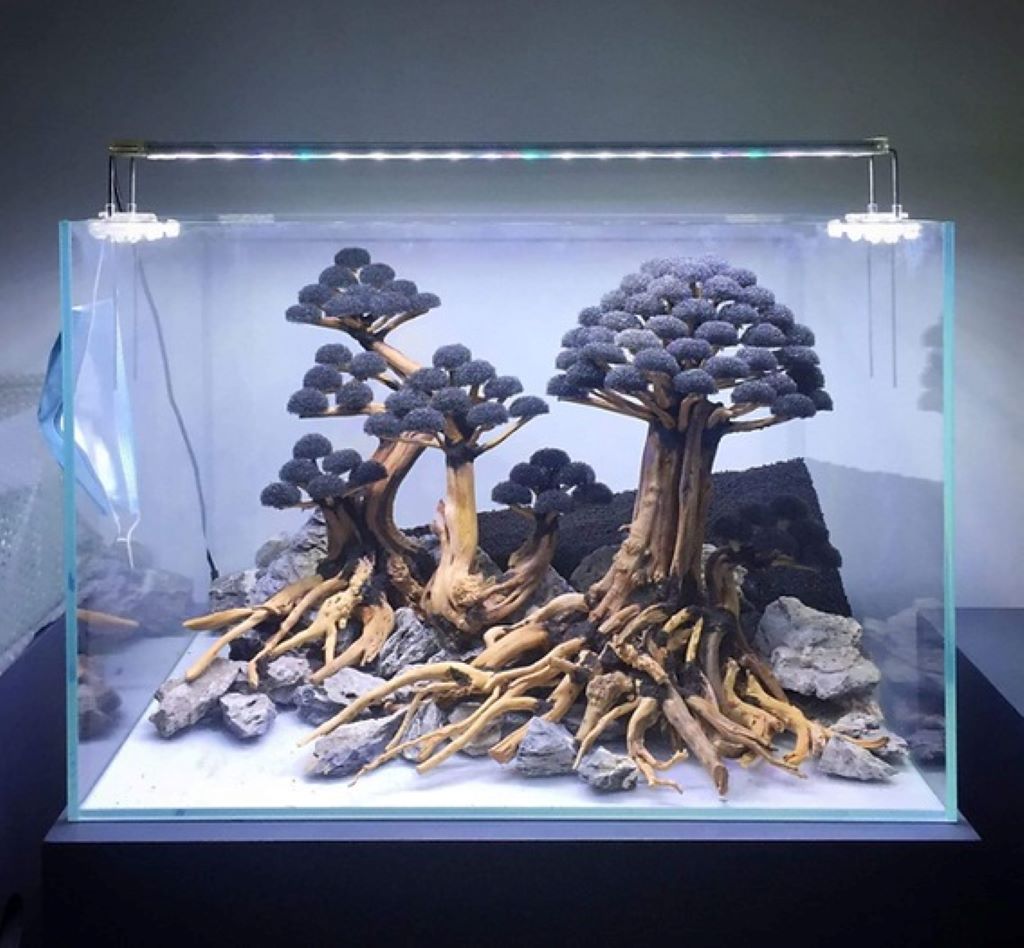
Biotope Aquariums: Nature in Its Purest Form
Biotope aquariums replicate specific natural habitats, such as the Amazon River or African Rift Lakes. This style is perfect for showcasing the unique characteristics of a particular ecosystem.
Why It’s Unique:
- Every element, from plants to fish species, must align with the chosen habitat.
- Offers a glimpse into real-world ecosystems, ideal for educational purposes.
Themed Aquascapes: Storytelling Underwater
Take your aquascape to the next level by designing it around a theme. Whether it’s a shipwreck, enchanted forest, or alien planet, themed aquariums let your creativity shine.
Ideas to Try:
- Incorporate decorations like miniature castles or ruins.
- Use colored substrates or lighting for a dramatic effect.
- Mix plants and ornaments to create an immersive scene.
Paludariums: Bridging Land and Water
A paludarium combines aquatic and terrestrial environments, creating a multi-layered ecosystem. It’s an ideal choice for showcasing amphibians alongside fish.
Key Features:
- Includes both water and land sections.
- Allows for diverse flora and fauna.
- Requires precise humidity and water level management.
Lighting: The Unsung Hero of Aquascaping
Proper lighting is essential for plant growth, fish health, and the overall aesthetic of your aquascape. Selecting the best reef aquarium lighting ensures your aquatic life thrives while enhancing the tank’s visual appeal. For expert advice on choosing the right system, click here: https://reefaquariumblog.com/reef-aquarium-essentials/lighting-system/how-to-choose-the-best-reef-aquarium-lighting/.
Maintaining Your Aquascape for Longevity
To keep your aquascape vibrant and healthy:
- Regularly prune plants to maintain the design.
- Conduct water changes to prevent algae buildup.
- Monitor water parameters and nutrient levels.
Christmas Gifts for Someone Who Lost a Loved One: Thoughtful Ideas to Offer Comfort and Healing
FAQs
What is the easiest aquascaping style for beginners?
The nature aquarium is beginner-friendly due to its flexibility and reliance on low-maintenance plants.
How do I prevent algae in my aquascape?
Maintain consistent water changes, limit excessive lighting, and balance nutrient levels to minimize algae growth.
Can I mix aquascaping styles in one tank?
Yes, blending styles can create a unique, hybrid aquascape. Just ensure the elements complement each other.
What are the best fish for aquascaped tanks?
Fish like tetras, guppies, and dwarf cichlids are excellent choices due to their compatibility with most designs.
Do I need CO2 for my aquascape?
CO2 enhances plant growth and vibrancy, especially in high-tech setups. However, it’s optional for low-tech tanks.
How often should I trim plants in my aquascape?
Trimming frequency depends on plant species and growth rates, but a bi-weekly schedule works for most setups.
You Might Enjoy: How to Create a Stunning Aquarium Landscape
Conclusion
Aquascaping offers endless opportunities to express creativity while nurturing a thriving aquatic ecosystem. Whether you’re drawn to the simplicity of Iwagumi or the vibrancy of a Dutch aquascape, the key is to experiment and enjoy the journey.






