
Annulment vs. Divorce: Key Differences and What You Need to Know

How to Find Luxury Perfumes Under Budget That Smell Expensive

How to Follow Affordable Crossbody Bag Trends in 2026

Key Takeaways
- Annulment makes a marriage void in the eyes of the law, erasing its existence.
- Divorce is the legal end to a legitimate marriage.
- Annulments require specific conditions, while divorces cover a broader range of circumstances.
- Legal and financial outcomes differ as courts handle property, support, and parental rights differently depending on the process.
When a marriage ends, individuals often face complex legal options. The decision between pursuing an annulment and a divorce is pivotal and affects everything from property rights to future family dynamics. Understanding each process is crucial if you want to make the best decision for your situation. Many people seek the advice of an annulment attorney in NJ to help clarify their options and obligations under the law before proceeding with either route.
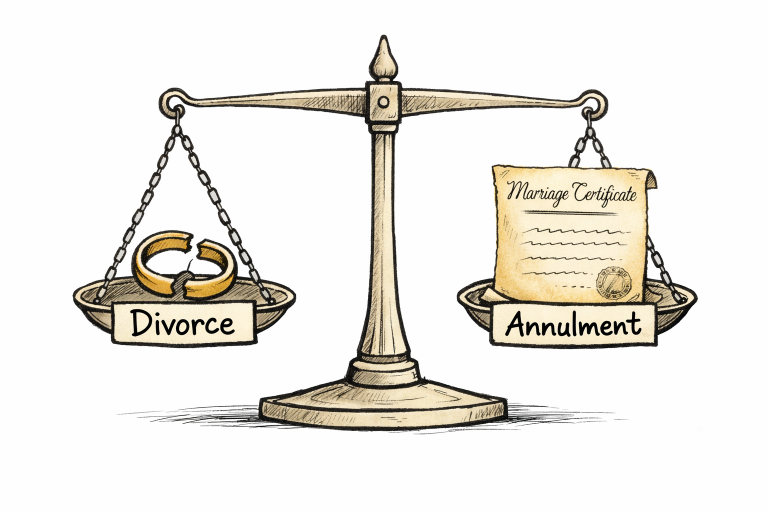
Although both annulment and divorce ultimately dissolve a marriage, they do so in fundamentally different ways. Knowing the distinction between the two can influence decisions about property, spousal support, and child arrangements. For instance, an annulment effectively erases the marriage as if it never legally existed, while a divorce ends a valid marriage but preserves its history. These differences shape the legal and emotional closure each party experiences.
Understanding Annulment
An annulment is a legal process that treats a marriage as if it never occurred. This process is not available to everyone, as it’s reserved for marriages that were invalid from the outset. Grounds for annulment vary based on jurisdiction, but typically include:
- Fraud or misrepresentation, where one party has withheld or falsely presented fundamental facts.
- Bigamy, when one person is already married to someone else at the time of the new marriage.
- Underage marriage, if one or both parties are below the legal age for marriage in their state.
- Incapacity, where an individual did not have the mental competency to consent.
Courts are generally strict about granting annulments. The person seeking the annulment must provide proof that meets high legal standards. For example, in cases of fraud, the deception must pertain to an essential aspect of the marriage and must be proven with convincing evidence.
Understanding Divorce
Divorce is the standard legal means by which a valid marriage is ended. Unlike annulments, divorces are available to any legally married couple, regardless of why the relationship failed. Reasons for divorce can range widely and may include:
- Irreconcilable differences that rendered the marriage unsalvageable.
- Adultery, or sexual relations outside of marriage.
- Abandonment, in which one spouse leaves with no intent to return.
- Abuse, including both physical and significant emotional abuse.
The divorce process typically addresses issues like the division of property and debts, child custody and visitation schedules, and spousal support. Divorce proceedings can become lengthy and emotionally demanding, especially when spouses disagree on crucial matters.
Legal and Financial Implications
The legal and financial results of annulment and divorce can differ significantly:
- Property Division: Annulments usually aim to restore assets to their pre-marriage status, as the marriage is considered void. By contrast, divorces generally distribute the assets and debts accumulated during the marriage in an equitable or equal manner, according to state law.
- Spousal Support: Annulments rarely involve alimony because courts treat the relationship as if it never existed. Divorces, however, often result in spousal support, especially when one spouse needs help becoming financially independent, or the marriage lasted many years.
- Parental Rights: Child custody and support are addressed in both scenarios. Courts always prioritize the best interests of the child, regardless of whether the marriage ends in annulment or divorce.
Choosing Between Annulment and Divorce
Deciding whether to pursue an annulment or a divorce comes down to both personal and legal considerations. Annulments are only available in certain situations that meet statutory criteria, which usually revolve around the legality and validity of the initial marital union. Divorce is generally more accessible and does not require specific legal faults to be proven. Because of this, most individuals end up choosing divorce for its relative simplicity and broader eligibility. Seeking legal guidance is essential for anyone uncertain about their options. An attorney can help interpret your unique circumstances in light of state law and help determine which path, the nullification of marriage or its dissolution, is best for you.
Conclusion
While both annulment and divorce provide legal mechanisms for ending a marriage, they do so in distinct ways with different consequences. Understanding these differences is key to making informed choices that reflect your interests and protect your rights. If you find yourself facing this significant decision, consult a knowledgeable legal professional to help you navigate the complexities involved and secure the best outcome for your future.






