
Sharpening Lawn Mower Blades with an Angle Grinder

What Is the Rule of 7 in Investing? A Simple Guide to Growing Wealth Over Time

Norway’s Aurora Season Was Pure Magic ✨😍 Can’t Wait for Next Year
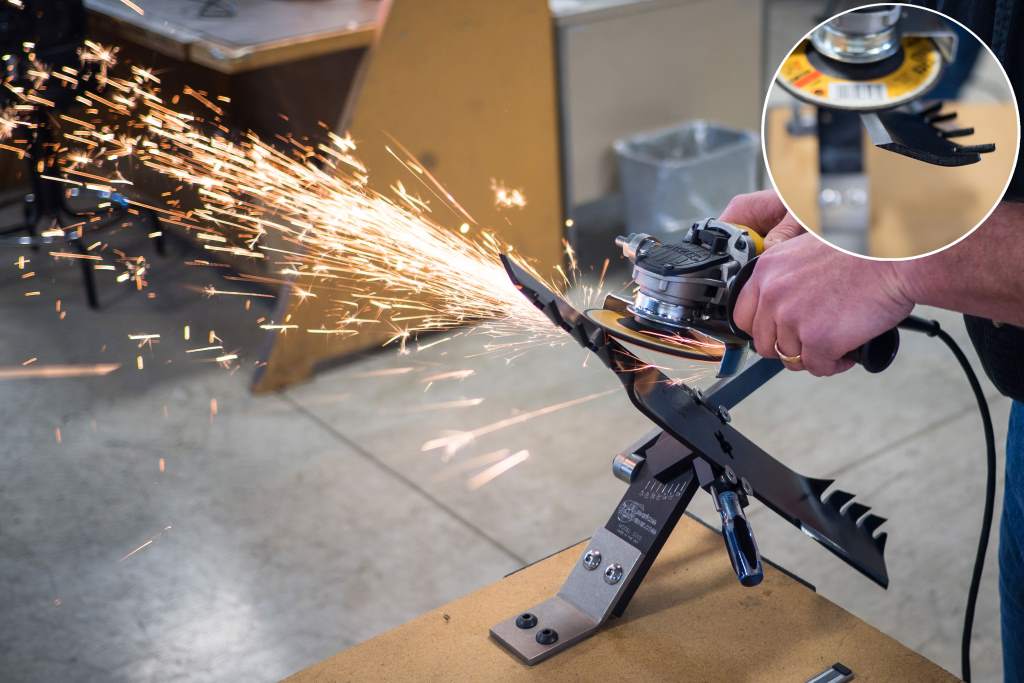
Maintaining a well-kept lawn requires sharp mower blades, and sharpening them properly can make a significant difference in achieving a clean cut. Dull blades tear grass, leaving it vulnerable to disease and an uneven appearance. Using an angle grinder is an effective and efficient method for sharpening lawn mower blades, provided you follow the correct steps and prioritize safety. This guide, brought to you by Boyers Lawn Care, will walk you through the process, ensuring your mower performs at its best while keeping safety first.
Why Sharp Blades Matter
Sharp lawn mower blades ensure a clean, precise cut, promoting healthier grass and a polished lawn. Dull blades, on the other hand, rip grass, causing jagged edges that can invite pests and diseases. Additionally, sharp blades reduce strain on your mower’s engine, improving fuel efficiency and extending the equipment’s lifespan. Before diving into the sharpening process, it’s worth noting that proper handling of tools and equipment is critical. For instance, when mowing, following cutting grass safety tips can prevent accidents and ensure a safe lawn care routine.
Tools and Materials Needed
To sharpen your lawn mower blades with an angle grinder, gather the following items:
- Angle grinder: Choose one with a 4.5-inch or 5-inch disc for precision.
- Flap disc or grinding wheel: A 60-80 grit flap disc works well for sharpening.
- Safety gear: Wear gloves, safety glasses, and ear protection.
- Wrench or socket set: To remove the blade from the mower.
- Vice or clamp: To secure the blade during sharpening.
- Marker or chalk: To mark the blade’s cutting edge.
- Wire brush: For cleaning rust or debris.
- Balancing tool: To ensure the blade is balanced after sharpening.
Having these tools ready ensures a smooth and safe sharpening process. Always prioritize quality equipment to achieve the best results.
Step-by-Step Guide to Sharpening Lawn Mower Blades
Step 1: Disconnect and Remove the Blade
Safety is paramount when working with lawn mowers. Start by disconnecting the spark plug to prevent accidental starts. Tilt the mower on its side (with the carburetor facing up to avoid oil or gas leaks). Use a wrench or socket set to loosen the bolt securing the blade. Mark the blade’s orientation with chalk to ensure it’s reinstalled correctly. Remove the blade carefully and inspect it for cracks or excessive wear. If the blade is damaged beyond repair, replace it.
Step 2: Clean the Blade
Before sharpening, clean the blade thoroughly. Use a wire brush to remove grass clippings, dirt, and rust. A clean surface allows you to see the cutting edge clearly and ensures the angle grinder works effectively. If the blade is heavily rusted, consider soaking it in a rust remover solution for a few minutes before scrubbing.
Step 3: Secure the Blade
Place the blade in a vice or clamp to hold it steady. This step is crucial because a loose blade can lead to uneven sharpening or injury. Ensure the cutting edge faces upward and is accessible for the angle grinder. Double-check that the blade is firmly secured before proceeding.
Step 4: Sharpen with the Angle Grinder
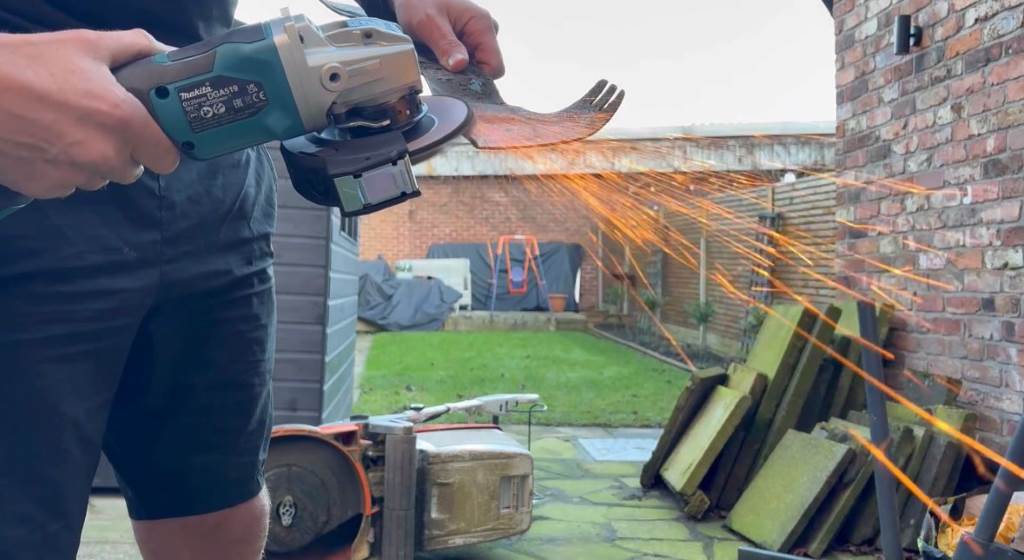
Attach a flap disc or grinding wheel to your angle grinder. Hold the grinder at a 30- to 45-degree angle, matching the blade’s existing bevel. Gently move the grinder along the cutting edge in smooth, controlled passes. Avoid applying too much pressure, as this can overheat the blade and weaken the metal. Sharpen both cutting edges of the blade evenly, checking frequently to ensure you’re maintaining the original angle. According to LawnStarter, maintaining the correct angle is key to achieving a sharp, durable edge.
Step 5: Check Blade Balance
After sharpening, verify that the blade is balanced to prevent vibrations that could damage your mower. Place the blade on a balancing tool or a nail driven into a wall. If one side dips, remove additional material from the heavier side using the angle grinder. A balanced blade ensures smooth operation and reduces wear on the mower.
Step 6: Reinstall the Blade
Once sharpened and balanced, reattach the blade to the mower, ensuring it’s oriented correctly (refer to your chalk mark). Tighten the bolt securely using the wrench or socket set. Reconnect the spark plug and test the mower briefly to confirm smooth operation.
Safety Tips for Using an Angle Grinder
Using an angle grinder requires caution to avoid injury. Always wear safety glasses to protect your eyes from sparks and debris. Gloves and ear protection are equally important to shield your hands and hearing. Ensure the grinder’s disc is securely attached and undamaged before use. Additionally, work in a well-ventilated area to avoid inhaling dust. Never remove the grinder’s safety guard, as it protects you from accidental contact with the disc. For more safety guidance, refer to OSHA’s guidelines on angle grinder safety.
When to Replace Instead of Sharpen
While sharpening extends a blade’s life, some blades are beyond repair. If you notice deep nicks, cracks, or significant metal loss, replacement is the better option. Most blades can be sharpened two to three times before they become too thin. Regularly inspect your blade after each mowing season to determine whether sharpening or replacement is necessary. Proper maintenance, including timely sharpening, can save you from costly repairs down the line.
Read Also:
Why Does Your Lawn Have Powdery Mildew? Learn the Real Causes and How to Fix It Fast
How to Install a Fence Post Without Digging
Benefits of Regular Blade Maintenance
Sharpening your lawn mower blades regularly offers several advantages. First, it ensures a cleaner cut, improving your lawn’s appearance and health. Second, it reduces the mower’s workload, potentially lowering fuel consumption. Finally, well-maintained blades extend the life of your mower, saving you money on repairs or replacements. By incorporating blade sharpening into your lawn care routine, you’ll achieve better results with less effort.
Common Mistakes to Avoid
When sharpening with an angle grinder, avoid these pitfalls:
- Overheating the blade: Excessive grinding can weaken the metal. Use light, controlled passes.
- Ignoring the original angle: Altering the blade’s bevel reduces cutting efficiency.
- Skipping balance checks: An unbalanced blade causes vibrations and potential mower damage.
- Neglecting safety gear: Always wear protective equipment to prevent injuries.
By steering clear of these mistakes, you’ll ensure a safe and effective sharpening process.
FAQs
How often should I sharpen my lawn mower blades?
Sharpen your blades at least once per mowing season or every 20-25 hours of use. If you notice uneven cuts or torn grass, sharpen sooner.
Can I sharpen a lawn mower blade without an angle grinder?
Yes, you can use a bench grinder, file, or sharpening stone, but an angle grinder is faster and more efficient for most users.
How do I know if my blade is too dull to sharpen?
If the blade has deep nicks, cracks, or significant material loss, it’s too damaged to sharpen and should be replaced.
Is it safe to use an angle grinder for sharpening?
Yes, if you follow safety precautions like wearing protective gear, securing the blade, and using the correct disc, it’s a safe method.
How long does it take to sharpen a lawn mower blade?
Sharpening typically takes 15-30 minutes, depending on the blade’s condition and your experience with an angle grinder.
Conclusion
Sharpening your lawn mower blades with an angle grinder is a straightforward task that yields significant benefits for your lawn’s health and your mower’s performance. By following the steps outlined above, using the right tools, and prioritizing safety, you can achieve a razor-sharp edge that ensures clean, precise cuts. Regular maintenance, including sharpening and balancing, will keep your mower running smoothly and your lawn looking pristine. With practice, this process becomes a quick and rewarding part of your lawn care routine, saving you time and money in the long run.






