
Sealing Quartz Countertops: Do You Really Need to Do It?

Positive Aspects of Technology: How It Improves Our Lives

What Is Chewy Pharmacy and Why Does It Matter to Pet Parents?
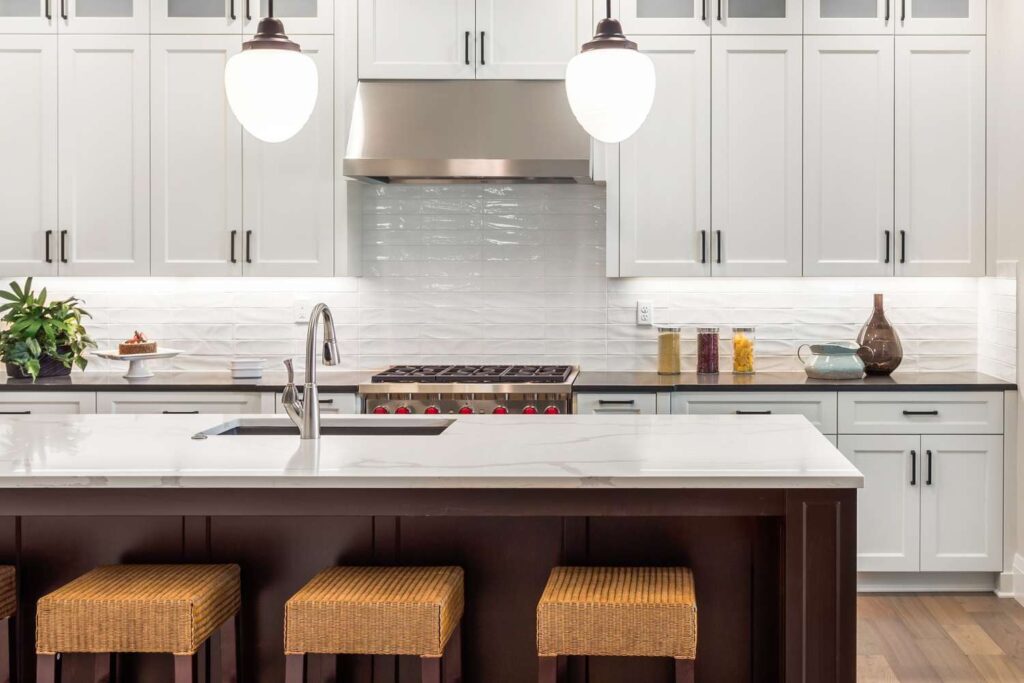
Quartz countertops are one of the most popular surfaces in modern kitchens and bathrooms. They’re admired for their sleek finish, long-lasting strength, and ability to resist stains. However, a common question homeowners ask is whether sealing quartz countertops is necessary. Since quartz is an engineered stone made of crushed quartz crystals mixed with resin, it behaves differently from natural stones like granite or marble. This means its maintenance routine is not the same. In this article, we’ll explore whether quartz needs sealing, when it might be beneficial, and what homeowners should do to protect their investment.
Does Quartz Actually Need to Be Sealed?
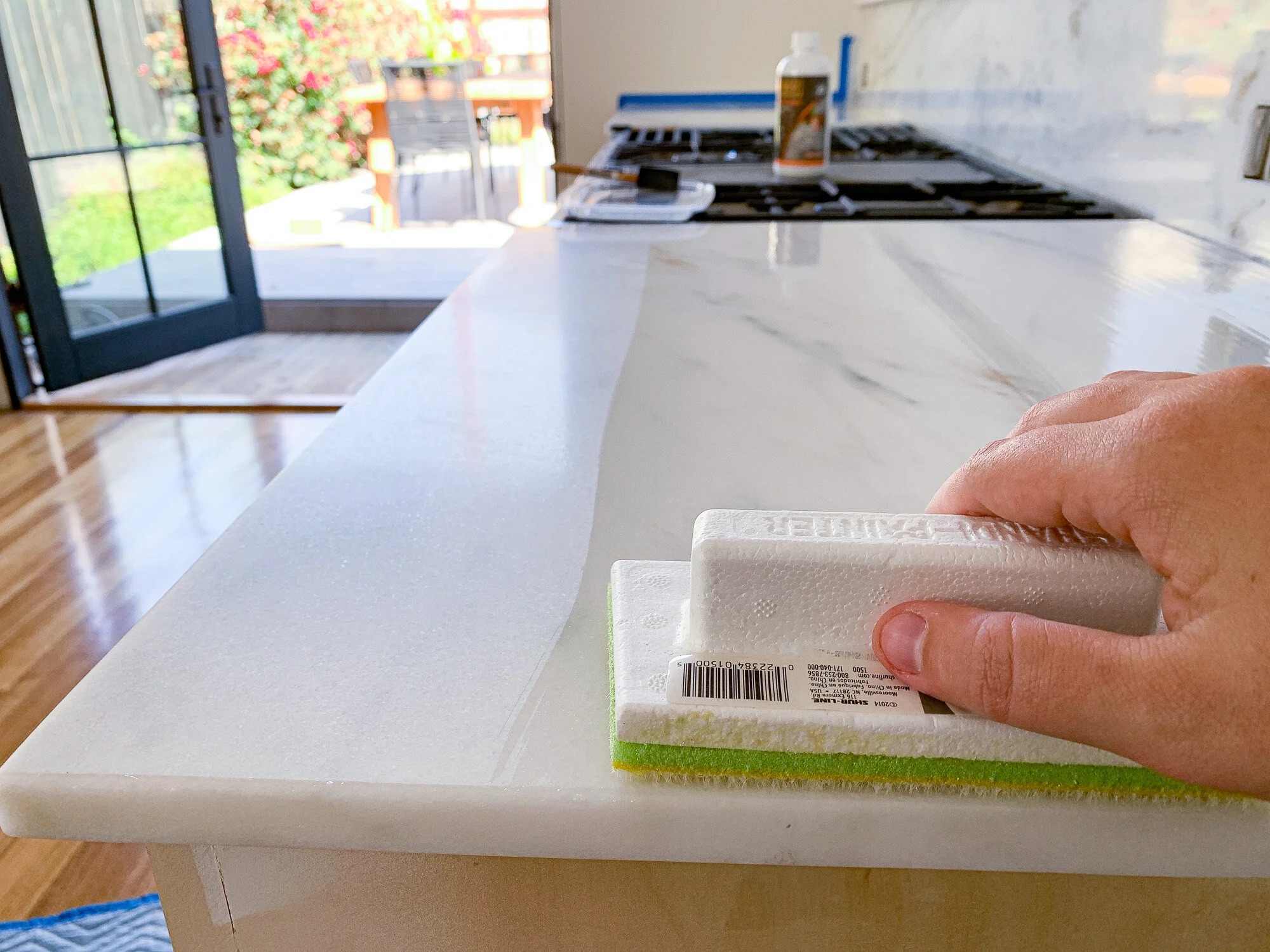
Unlike porous stones, quartz is non-porous due to the resin binding agents. This makes it naturally resistant to water, bacteria, and stains. For that reason, sealing quartz countertops is generally unnecessary. In fact, applying a sealer can sometimes leave a filmy residue or interfere with the smooth finish. Still, some homeowners consider sealing quartz countertops if they want an added layer of protection, especially in high-use kitchens.
It’s worth noting that not all quartz is created equal. Some low-quality products may have slight manufacturing inconsistencies, which could make them more prone to staining. In these rare cases, sealing may help, but it’s not the norm. Leading manufacturers such as Caesarstone and Silestone specifically advise against sealing their surfaces.
Why Do Some People Seal Quartz Anyway?
There are several reasons homeowners choose to seal quartz, even if it isn’t required:
- Extra protection in heavy-use kitchens – Households that cook daily and use plenty of oils, sauces, and wine may feel more secure with a sealer applied.
- Peace of mind – Some simply prefer to take the “better safe than sorry” route.
- Low-quality quartz slabs – Less reputable brands may not be as resistant as top-tier options, so sealing can help compensate.
However, experts caution that sealing won’t drastically change quartz’s natural properties. If applied incorrectly, it could even dull the shine.
How Does Quartz Compare to Natural Stone?
To understand why quartz usually doesn’t need sealing, it helps to compare it with natural stone:
| Surface | Porosity | Maintenance Needs |
|---|---|---|
| Quartz | Non-porous | Does not require sealing |
| Granite | Moderately porous | Needs sealing every 1–2 years |
| Marble | Highly porous | Needs frequent sealing and care |
As shown, quartz stands out for being nearly maintenance-free. Granite and marble, on the other hand, can absorb liquids, which is why sealing is essential for them. The difference lies in the structure: quartz surfaces are bound with resins, making them compact and stain-resistant.
What Are the Downsides of Sealing Quartz?
Applying a sealer where it’s not needed can have some drawbacks:
- Residue build-up – Sealers can create a cloudy film on the surface.
- Reduced shine – Quartz is polished during manufacturing, and sealing may dull its glossy appearance.
- Unnecessary expense – High-quality quartz is already stain-resistant, so sealing adds no real value.
Because of this, most professionals recommend skipping the sealer and instead focusing on simple cleaning habits.
What’s the Best Way to Maintain Quartz Countertops?
Even though sealing isn’t required, proper care ensures quartz keeps its beauty for years. Here’s what you should do:
- Clean daily – Use mild soap and warm water with a soft cloth.
- Avoid harsh cleaners – Skip bleach, ammonia, or abrasive scrubs that can damage the finish.
- Wipe spills quickly – Especially from wine, coffee, or oils.
- Use trivets and cutting boards – Quartz is heat-resistant but not heat-proof. Hot pans can leave marks.
- Polish occasionally – Special quartz-safe polish can restore its shine without sealing.
For a deeper guide on maintenance, check trusted sources like the HGTV cleaning guide for quartz.
Are There Cases Where Sealing Could Help?
While unnecessary in most situations, sealing may be considered in specific cases:
- When using very low-grade quartz slabs from unverified manufacturers.
- If countertops have been exposed to extreme heat or damage that made them slightly porous.
- In rental properties, where tenants may not follow proper cleaning routines.
In these scenarios, sealing can serve as a backup, but it should always be applied carefully and sparingly.
Should You Seal Quartz in Homes With Pets?
Pet owners often worry about claws, food messes, and scratches on their countertops. While sealing won’t prevent scratches, it can help with stain resistance if pets cause frequent messes. For more pet-friendly home care, you can explore resources like HomePetUsa, which shares practical advice for pet owners managing household surfaces.
Conclusion
So, do you need to seal quartz countertops? In almost all cases, the answer is no. Quartz is engineered to resist stains, bacteria, and moisture without extra treatment. Sealing may only be worth considering in unusual cases, such as with cheaper slabs or in households where surfaces take heavy abuse. Instead of worrying about sealants, focus on simple cleaning and care habits. That’s the key to keeping your countertops looking sharp for decades.
If you’re shopping for countertops or planning kitchen upgrades, always verify the manufacturer’s recommendations. With the right choice and routine, you can enjoy quartz’s beauty without the added cost of sealants.
Read More Also: Positive Aspects of Technology
FAQ: Sealing Quartz Countertops
1. Is sealing quartz countertops necessary?
No, quartz is non-porous and does not require sealing. The resin binders prevent liquids from penetrating the surface.
2. What happens if I seal quartz anyway?
Applying sealer can leave a cloudy film, reduce shine, and add unnecessary cost without real benefits.
3. Are there brands of quartz that recommend sealing?
Most major brands, like Caesarstone and Silestone, specifically advise against sealing their products.
4. Can sealing quartz prevent scratches?
No, sealants do not protect against scratches. Quartz is durable, but you should still use cutting boards.
5. When might sealing be helpful?
In rare cases with low-quality quartz or damaged surfaces, sealing may provide extra resistance to stains.
6. How do I properly clean quartz?
Use mild soap, warm water, and a soft cloth. Avoid harsh chemicals and always wipe spills quickly.
7. Does quartz last longer if sealed?
No, sealing does not extend the lifespan. Regular cleaning and care are enough to keep it in excellent condition.






