
Rice Cooker SOS: Troubleshooting Common Problems for Flawless Results

Can a Travel Pillow Prevent Neck Pain During Travel? A Comprehensive Guide

Need a Good Cry? Emotional Songs for When You Need to Feel

Rice cookers have revolutionized the way we prepare this staple grain, offering convenience and consistently fluffy results. However, even the most reliable appliances can encounter hiccups. Whether you’re a seasoned rice cooker pro or a novice, troubleshooting common issues can save your meal and ensure your rice turns out perfect every time.
1. Rice too mushy or sticky:
- Problem: Overcooked rice due to excess water or steam trapped in the cooker.
- Solution:
- Measure rice and water accurately using the provided measuring cup.
- Use the appropriate water-to-rice ratio for your type of rice (refer to the cooker’s instructions).
- After cooking, let the rice rest for 10-15 minutes with the lid closed to allow steam to redistribute.
- Fluff the rice gently with a fork to separate grains and release excess moisture.
2. Rice too dry or undercooked:
- Problem: Insufficient water or cooking time.
- Solution:
- Double-check the water-to-rice ratio and adjust if needed.
- For undercooked rice, add a few tablespoons of water, close the lid, and cook on the “keep warm” setting for 10-15 minutes.
- If your cooker has a “reheat” function, use it to add moisture back into the rice.
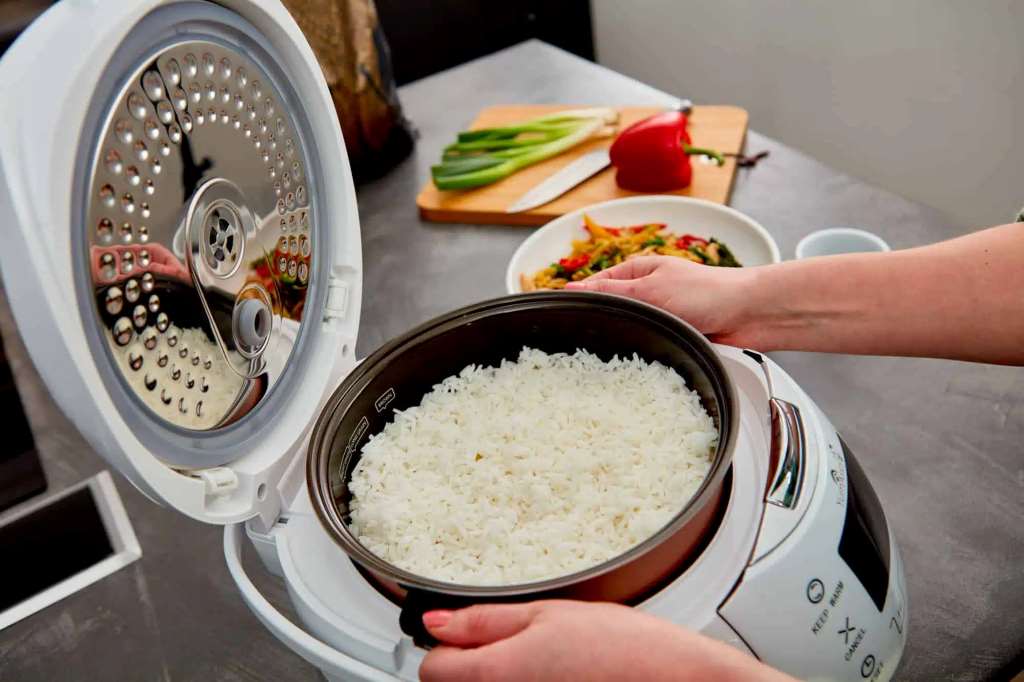
3. Rice burnt at the bottom:
- Problem: High heat or inadequate water at the bottom of the pot.
- Solution:
- Ensure the heating element is clean and free of debris.
- Add a splash of oil or butter to the bottom of the pot before adding rice and water.
- Use the appropriate cooking setting for your type of rice to avoid overheating.
- If rice frequently burns, consider using a rice cooker with a non-stick inner pot.
Discover What Are the Best Kitchen Skills? Mastering Culinary Crafts
4. Rice cooker not turning on:
- Problem: Power supply issues, faulty connections, or a tripped thermal fuse.
- Solution:
- Check if the cooker is plugged in securely and the outlet is working.
- Ensure the inner pot is properly placed and the lid is closed correctly.
- If the cooker has a removable power cord, check for any damage.
- If the thermal fuse is tripped (usually due to overheating), it might need to be replaced. Consult the manufacturer or a qualified technician.
5. Rice cooker overflowing:
- Problem: Too much rice or water, or using starchy rice varieties that expand significantly during cooking.
- Solution:
- Do not exceed the maximum fill line indicated on the inner pot.
- Rinse starchy rice thoroughly before cooking to remove excess starch.
- If you frequently cook large quantities of rice, consider upgrading to a larger cooker.
6. Rice cooker leaking steam:
- Problem: Damaged or misaligned gasket, clogged steam vent, or loose lid.
- Solution:
- Check the gasket (rubber seal) for any cracks or tears and replace it if necessary.
- Clean the steam vent with a toothpick or small brush to remove any debris.
- Ensure the lid is securely fastened and properly aligned with the pot.
7. Rice cooker smells burnt:
- Problem: Burnt rice residue from previous cooking sessions.
- Solution:
- Clean the inner pot thoroughly with warm soapy water and a non-abrasive sponge.
- Soak the pot in a mixture of water and baking soda to neutralize odors.
- If the smell persists, try cooking a mixture of water and vinegar in the cooker.
Additional Tips for Perfect Rice:
- Use high-quality rice for the best flavor and texture.
- Rinse rice thoroughly to remove excess starch and improve texture.
- Soak rice for 30 minutes before cooking to reduce cooking time and enhance fluffiness.
- Fluff rice with a fork after cooking to prevent clumping.
- Experiment with different rice varieties and cooking settings to find your preferred results.
By following these troubleshooting tips and best practices, you can overcome common rice cooker problems and consistently enjoy perfectly cooked rice with every meal. For instance, explore Greatestjournal review on how to make rice less salty to find additional helpful tips. Remember, a little care and attention to detail can go a long way in ensuring your rice cooker remains your trusty kitchen companion for years to come.






