
Protecting Your Garden: Essential Wildlife Prevention Tips

The Art of Produce Pairing: A Guide to Storing Fruits and Vegetables for Optimal Freshness

Unlocking Okra’s Freshness: A Guide to Ideal Storage Temperatures
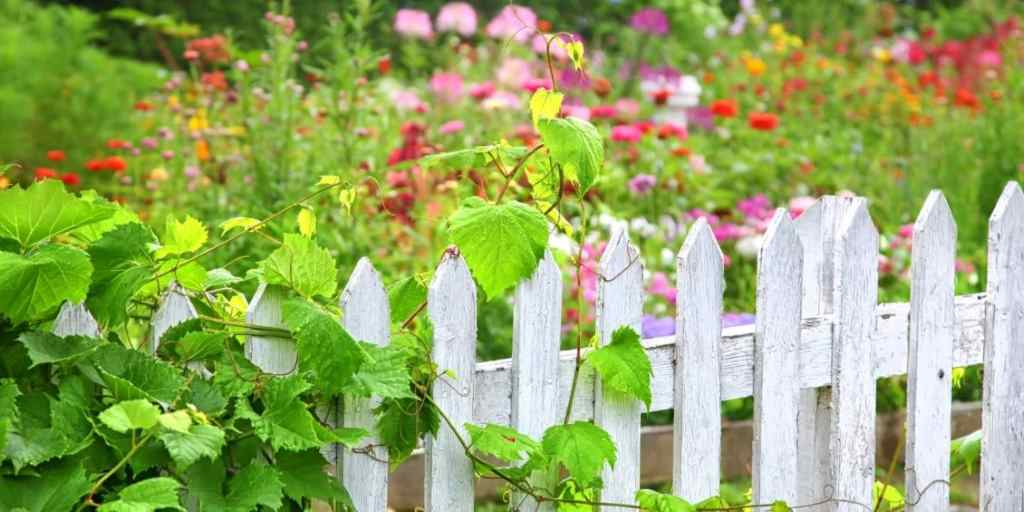
A flourishing garden is a source of pride and joy, but it can also be a tempting buffet for hungry wildlife. From nibbling rabbits to scavenging deer, various critters can wreak havoc on your carefully cultivated plants. However, with a little effort and the right strategies, you can protect your garden and peacefully coexist with wildlife. This article offers essential tips for safeguarding your plants from common wildlife prevention while minimizing harm to animals.
Understanding Common Garden Pests
Before diving into prevention techniques, it’s crucial to identify the culprits responsible for damaging your garden. Common garden pests include:
- Rabbits: These furry creatures love munching on tender shoots, vegetables, and flowers.
- Deer: While graceful, deer can decimate gardens, devouring leaves, fruits, and even bark.
- Squirrels: These agile climbers can dig up bulbs, steal fruits and nuts, and damage tree bark.
- Birds: While beneficial for pest control, birds can also peck at fruits and seedlings.
- Insects: Various insects like aphids, caterpillars, and beetles can infest plants, causing damage.
Prevention Techniques
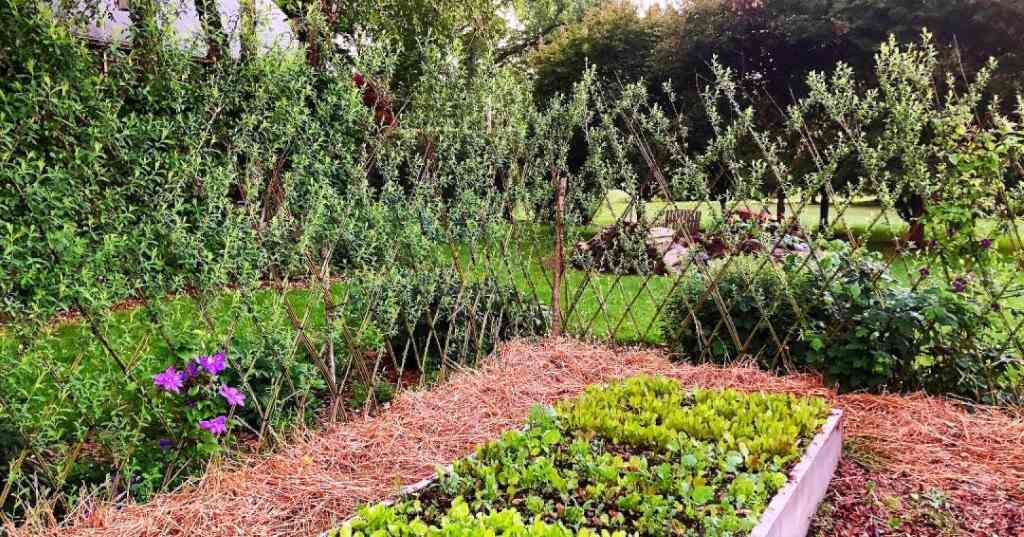
- Fencing: Installing fences is one of the most effective ways to deter larger animals like deer and rabbits. Opt for tall, sturdy fences that are difficult to climb or burrow under. For rabbits, consider burying the fence a few inches underground to prevent them from digging beneath it.
- Netting: Netting can be used to protect specific plants or entire sections of your garden. Use bird netting to shield fruits and vegetables from birds and insect netting to deter pests like butterflies and moths.
- Repellents: A variety of repellents are available to discourage animals from entering your garden. Some repellents rely on scent, taste, or fear to deter pests. Choose repellents that are safe for pets and children, and reapply them regularly, especially after rain.
- Companion Planting: Certain plants emit strong odors or contain substances that repel pests. For example, marigolds deter rabbits and nematodes, while lavender repels deer and moths. Incorporating companion plants into your garden can create a natural defense against pests.
- Motion-Activated Sprinklers: These devices startle animals with a sudden burst of water, causing them to flee. Motion-activated sprinklers are effective against various animals and can be strategically placed around your garden.
- Noise Deterrents: Wind chimes, aluminum pie pans, or ultrasonic devices can create noise that deters animals. While not foolproof, noise deterrents can be combined with other methods for added protection.
- Physical Barriers: For smaller pests like insects, physical barriers like row covers or collars can be effective. Row covers create a physical barrier between plants and pests, while collars protect seedlings from cutworms.
- Regular Maintenance: Keeping your garden clean and tidy can discourage pests. Remove fallen fruits and vegetables, trim overgrown plants, and weed regularly. These practices eliminate hiding places and food sources for pests.
Humane Wildlife Management
While protecting your garden is important, it’s equally crucial to respect wildlife. Avoid using harmful traps or poisons, as these can harm not only pests but also beneficial animals and even pets. Instead, focus on humane methods like those mentioned above.
Additional Tips
- Diversify your plants: Avoid planting large quantities of a single crop, as this can attract pests.
- Rotate crops: Rotating crops can disrupt pest cycles and reduce infestations.
- Monitor your garden regularly: Early detection of pest problems allows for prompt action and minimizes damage.
- Consult with local experts: Contact your local agricultural extension service or gardening center for advice on specific pest issues in your area.
Conclusion
Protecting your garden from wildlife doesn’t have to be a constant battle. By implementing a combination of wildlife prevention techniques and humane wildlife management practices, you can create a harmonious environment where your plants thrive, and animals coexist peacefully. For those seeking more specific solutions, you might explore Lsdaynursery review on squirrel poison to find additional strategies. Remember, a little effort and understanding can go a long way in safeguarding your garden from unwanted visitors.






