
Moving with Fish: A Comprehensive Guide to a Stress-Free Relocation for Your Aquatic Friends

Is It Worth Hiring a Wedding Planner? An Honest Review

The Reflective Revolution: How Heat Transfer Film is Shaping a Sustainable Future
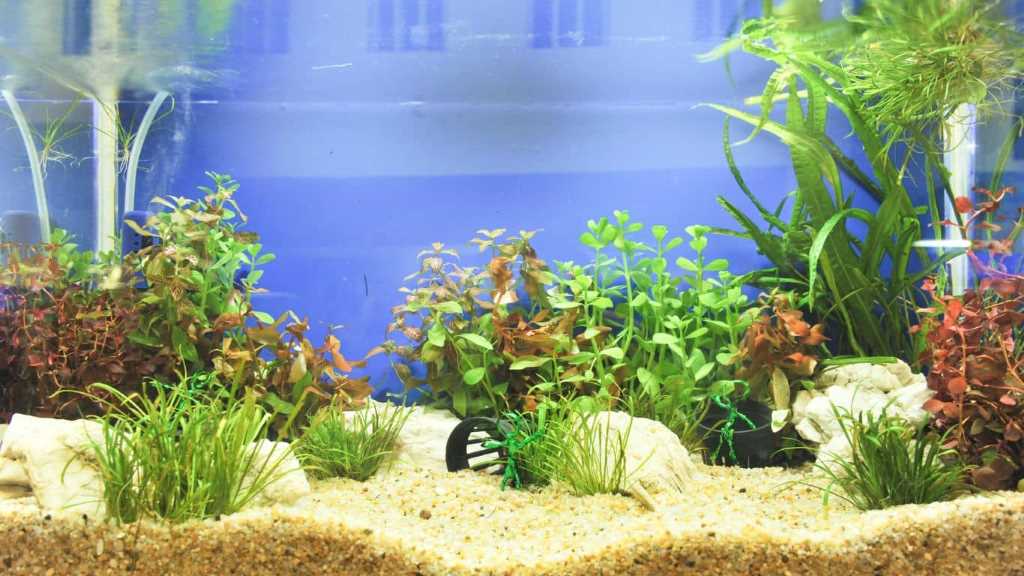
Moving can be a stressful experience, even more so when you have a tank full of fish to consider. Whether you’re moving across town or across the country, careful planning and preparation are essential to ensure your fish arrive at their new home safe and sound. This comprehensive guide will walk you through every step of the process, from pre-move preparations to setting up your aquarium in your new home.
Pre-Move Preparations
- Gather Supplies: Start by gathering the necessary supplies for transporting your fish. You will need:
-
- Fish transport bags: These specialized bags are designed to hold fish safely during transport. They are usually made of thick plastic and have a rounded bottom to prevent fish from getting trapped in corners.
- Rubber bands: Use these to secure the fish transport bags.
- Insulated container: A cooler or styrofoam box will help to keep the water temperature stable during the move.
- Battery-operated air pump: This will provide oxygen to your fish during transport.
- Water conditioner: You will need this to treat the water in the transport bags and in the new aquarium.
- Fish food: Pack enough food to last for several days.
- Bucket or temporary holding tank: This will be used to house your fish while you set up the new aquarium.
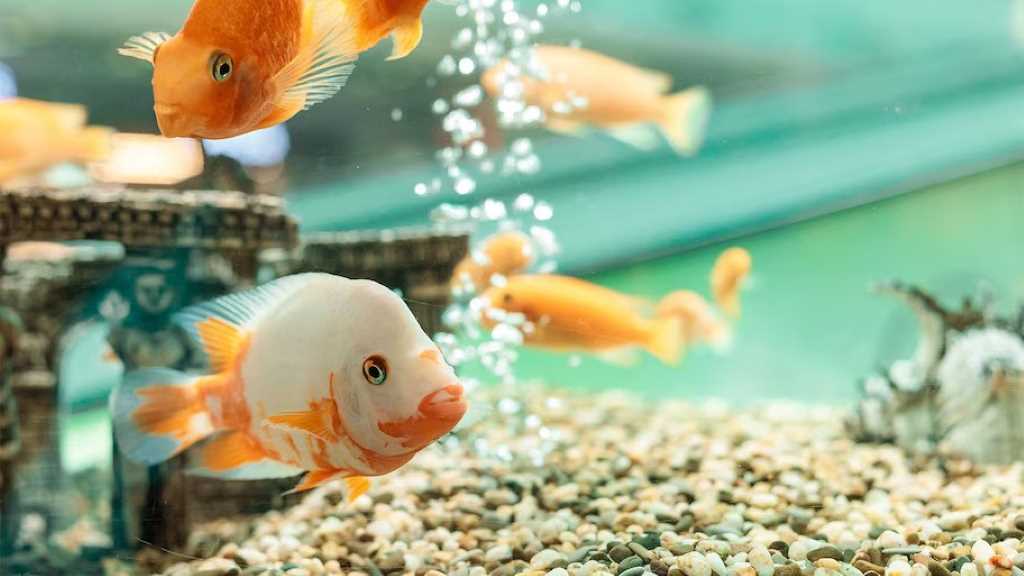
- Prepare Your Fish: A few days before the move, start preparing your fish for transport. This includes:
-
- Reducing feeding: Gradually reduce the amount of food you give your fish in the days leading up to the move. This will help to minimize waste production during transport.
- Observing for signs of illness: Look for any signs of illness, such as lethargy, loss of appetite, or abnormal swimming behavior. If you notice any problems, consult a veterinarian before the move.
Transporting Your Fish
- Catch Your Fish: On moving day, start by catching your fish and transferring them to the transport bags. Use a net to gently scoop them out of the aquarium and place them in the bags. Fill each bag with about one-third aquarium water and two-thirds air.
- Secure the Bags: Secure the bags with rubber bands and place them in the insulated container. If you are transporting your fish for more than a few hours, you will need to add a battery-operated air pump to the container to provide oxygen.
- Keep the Temperature Stable: Place the insulated container in a cool, dark place. Avoid direct sunlight and extreme temperatures.
Setting Up the New Aquarium
- Clean and Prepare the Aquarium: Before adding your fish to the new aquarium, thoroughly clean and disinfect it. Set up the filter, heater, and any other equipment you will be using.
- Add Water Conditioner: Fill the aquarium with water and add a water conditioner to remove chlorine and chloramine.
- Acclimate Your Fish: Gradually acclimate your fish to the new aquarium water. This can be done by floating the transport bags in the aquarium for 15-20 minutes, then slowly adding small amounts of aquarium water to the bags over a period of 30-60 minutes.
- Release Your Fish: Once your fish have been acclimated, gently release them into the new aquarium.
- Monitor Your Fish: Keep a close eye on your fish for the first few days after the move. Look for any signs of stress or illness.
Additional Tips
- Plan your move in advance: Start planning your move well in advance to give yourself plenty of time to prepare.
- Choose the right time of year to move: If possible, try to avoid moving during extreme weather conditions, as this can add stress to your fish.
- Research the regulations for transporting fish: If you are moving across state or international borders, you may need to obtain a health certificate for your fish.
- Consider hiring a professional fish transporter: If you are moving a large number of fish or have delicate species, you may want to consider hiring a professional fish transporter.
Moving with fish doesn’t have to be a stressful experience. By following these tips and taking the necessary precautions, you can ensure a safe and successful relocation for your aquatic friends. With a little preparation and care, your fish will be thriving in their new home in no time.






