
How to Inspect Your Climbing Rope for Maximum Safety

Sippy Cup Safety Checklist Every Parent Should Follow

How to Pick Surf Shoes for Rocky Beaches and Sharp Reefs
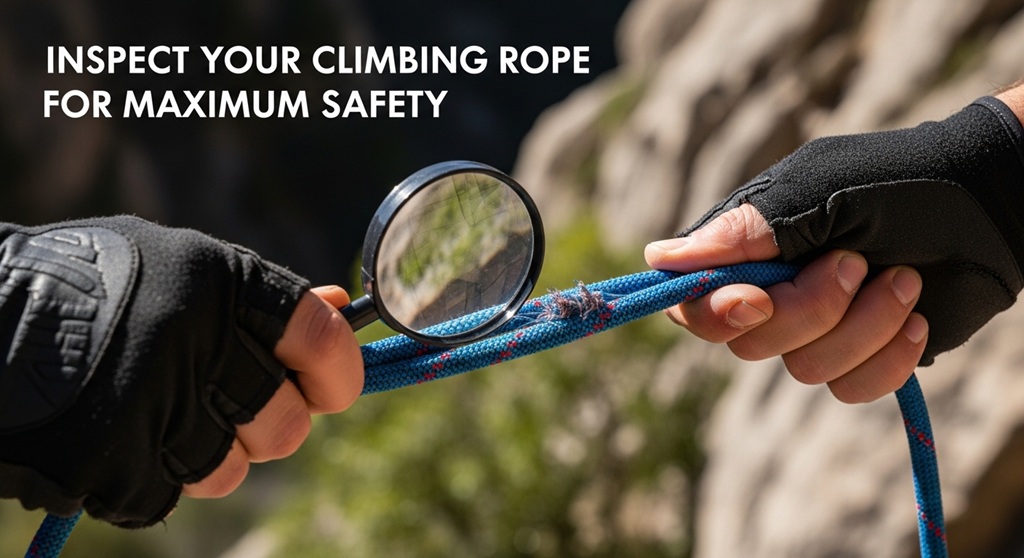
Climbing rope inspection is the systematic process of checking your rope for cuts, flat spots, core damage, abrasion, and chemical exposure before and after every climb. A proper rope inspection checklist reduces the risk of rope failure and ensures your gear performs within manufacturer safety standards.
Most climbers trust their rope without question. That’s the problem. Your rope absorbs repeated falls, UV exposure, moisture, dirt, and friction against rock. Over time, even high-quality dynamic ropes lose elasticity and structural integrity. According to safety testing standards under UIAA and EN certifications, dynamic ropes are built to withstand multiple high-impact falls—but only when they remain undamaged and properly maintained.
Ignoring inspection can lead to catastrophic failure. The solution is simple: adopt a consistent, documented inspection routine. In this guide, you’ll learn a practical rope inspection checklist, how to perform a basic climbing rope durability test, when to retire a rope, and how to extend its lifespan.
Why Is Climbing Rope Inspection Non-Negotiable?
Short answer: Your rope is your primary life-support system. Any hidden damage compromises fall protection.
Problem: Climbers often focus on harnesses and carabiners while overlooking rope wear. Micro-abrasions, sheath slippage, or chemical contamination may not be visible at first glance.
Agitation: A compromised rope can reduce impact absorption. In laboratory drop tests, dynamic ropes are subjected to repeated falls with an 80 kg mass under UIAA standards. While new ropes may withstand 5–12 standardized falls depending on rope type, real-world factors like sharp edges accelerate degradation.
Solution: Inspect before every climb and log usage frequency. Replace ropes based on wear and fall history, not guesswork.
- Inspect before and after each climbing session
- Perform detailed inspection monthly for frequent climbers
- Retire ropes immediately if structural damage is confirmed
What Is a Complete Rope Inspection Checklist?
Short answer: A rope inspection checklist includes visual scanning, tactile core checks, sheath evaluation, diameter consistency review, and contamination assessment.
1. Visual Inspection
Lay the rope out in a clean, well-lit area. Slowly scan for:
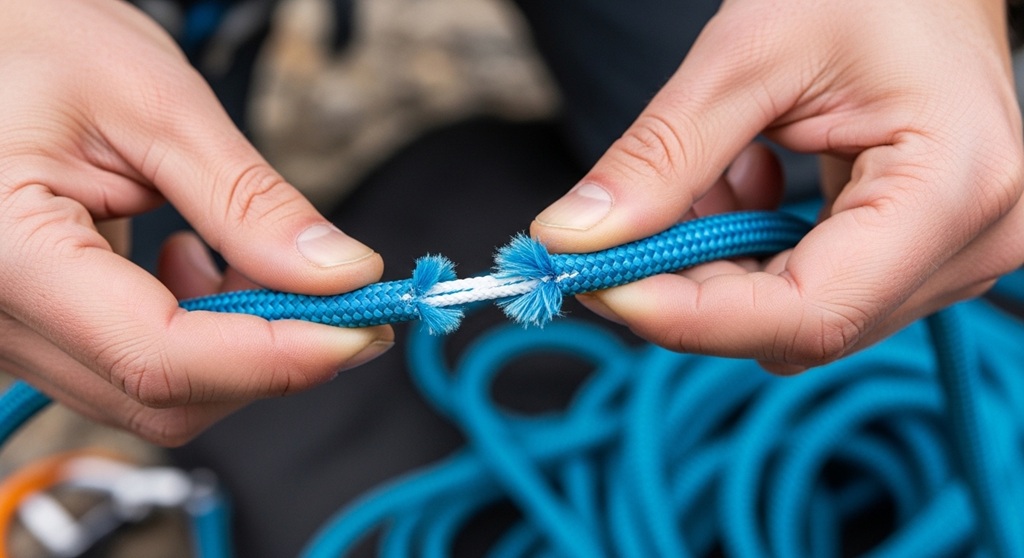
- Cuts or nicks in the sheath
- Frayed fibers
- Discoloration from chemicals or UV damage
- Burn marks from rapid lowering or rappelling
2. Tactile Core Check
Run the rope through your hands inch by inch. Feel for:
- Soft spots (possible core damage)
- Flat sections
- Inconsistent stiffness
- Lumps or internal bunching
3. Diameter Consistency
A dynamic rope typically ranges between 8.5 mm and 10.5 mm depending on type. Any sudden narrowing suggests sheath-core separation.
4. End Integrity Check
Inspect factory-sealed rope ends. If cut and re-sealed, ensure proper melting without hardened deformation.
5. History Log Review
Track:
- Number of falls (especially factor 2 falls)
- Exposure to water, sand, or chemicals
- Storage conditions
| Inspection Area | What to Look For | Action Required |
|---|---|---|
| Sheath | Cuts, fuzzing, glazing | Monitor or retire |
| Core | Soft spots, flat zones | Retire immediately |
| Color | Fading, chemical stains | Evaluate severity |
| Ends | Unraveling | Re-seal or trim |
How Do You Perform a Basic Climbing Rope Durability Test?
Short answer: A climbing rope durability test involves tactile compression checks, bend flexibility assessment, and controlled loading observation.
Problem: Visual inspection alone does not detect internal core damage.
Agitation: A rope may appear intact while internal fibers are compromised from repeated shock loading.
Solution: Conduct these durability tests:
1. Compression Test
Squeeze sections along the rope. Soft or hollow areas indicate core failure.
2. Flexibility Test
Bend the rope into tight curves. Stiff sections may suggest heat damage.
3. Controlled Weight Hang
Attach the rope to a secure anchor and apply body weight gradually. Listen for fiber snapping sounds.
Note: These tests do not replace professional lab testing but provide field-level assessment.
If you’re considering replacing worn gear, review quality options under rope inspection checklist recommendations for affordable certified ropes.
How Long Does a Climbing Rope Last?
Short answer: Lifespan depends on frequency and intensity of use.
- Never used: Up to 10 years (stored properly)
- Occasional use: 3–5 years
- Weekly use: 1–3 years
- Heavy fall sessions: Less than 1 year
Manufacturers base these estimates on nylon degradation rates and fall testing standards. UV exposure and dirt accelerate fiber breakdown.
What Factors Reduce Rope Durability?
Short answer: Abrasion, sharp edges, dirt, moisture, UV rays, and chemical contact.
1. Abrasion
Rope running over rough granite or sandstone weakens the sheath.
2. Dirt and Sand
Particles grind against internal fibers under load.
3. Water and Moisture
Wet ropes lose elasticity temporarily and may degrade faster if improperly dried.
4. Chemical Exposure
Battery acid, bleach, and even gasoline fumes can severely weaken nylon.
5. Heat Damage
Fast rappelling can create glazing, visible as shiny patches.
When Should You Retire Your Climbing Rope?
Immediate retirement signs:
- Core exposure
- Major flat spots
- Severe sheath slippage
- After a major fall with visible damage
- Chemical contamination
If in doubt, retire it. Rope cost is minimal compared to injury risk.
How Can You Extend the Life of Your Rope?
Short answer: Proper storage, rope bags, regular cleaning, and avoiding sharp edges.
- Use a rope tarp to minimize dirt
- Wash occasionally with mild rope cleaner
- Air dry away from direct sunlight
- Store loosely coiled in a cool place
- Avoid stepping on the rope
Consistent maintenance improves rope longevity and ensures reliable fall protection.
Conclusion: Is Your Rope Truly Safe?
Your rope does not fail without warning. It shows signs—if you look for them. A consistent rope inspection checklist and basic climbing rope durability test can prevent accidents and extend equipment life.
Climbing safety is not about confidence. It’s about verification. Inspect every session. Log your falls. Replace gear before failure.
Ready to upgrade your climbing setup? Explore certified, tested options designed for durability and performance. Your safety depends on it.
Frequently Asked Questions (FAQ)
How often should I inspect my climbing rope?
Inspect visually and manually before every climb. Conduct a detailed inspection monthly if climbing frequently.
Can a climbing rope fail suddenly?
Modern dynamic ropes are designed with safety margins. Sudden failure is rare unless severe damage or chemical exposure occurs.
Is washing a climbing rope safe?
Yes. Use lukewarm water and rope-safe cleaner. Avoid detergents with harsh chemicals.
Does rope diameter affect durability?
Thicker ropes generally offer higher abrasion resistance but may weigh more. Thinner ropes prioritize weight savings.
What is sheath slippage?
Sheath slippage occurs when the outer layer moves independently from the core, often after heavy use.
Should I retire a rope after a big fall?
If no visible or tactile damage is found, it may still be usable. However, significant falls warrant careful evaluation.
Related Topic: Sippy Cup Safety Checklist Every Parent Should Follow
Read Next: Why Collapsible 10-Arm Pasta Drying Stands Are So Popular in 2026






