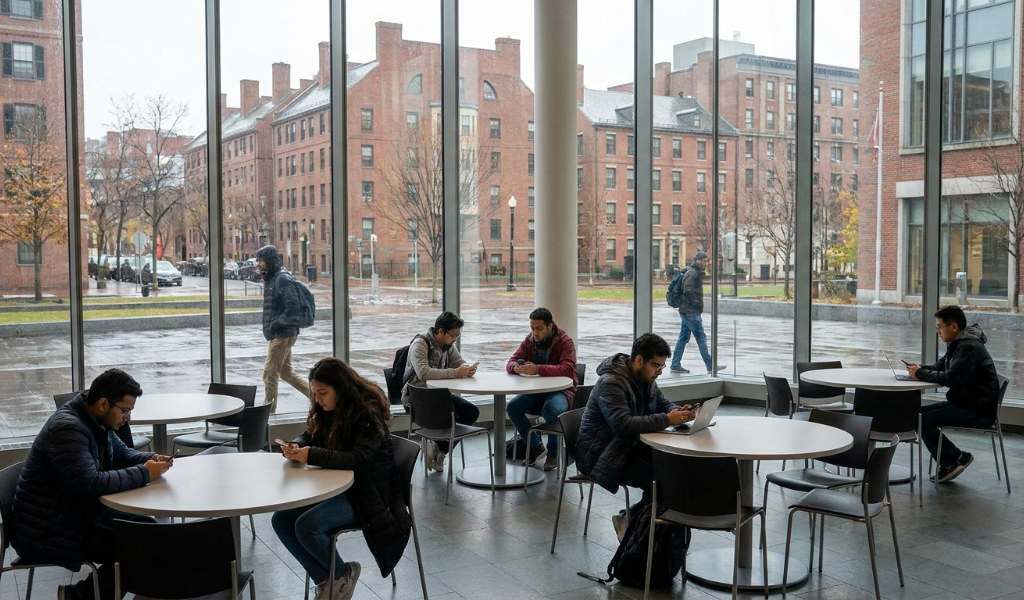
Blended Learning in the Classroom: A Modern Approach to Effective Education

Important Advice For Elderly People Struggling With Anxiety: Stay Calm

The Ultimate Guide to Making the Perfect Mango Smoothie

Blended learning is a dynamic teaching method that combines traditional in-person instruction with online learning activities. This approach is rapidly gaining popularity due to its potential to enhance student engagement, personalize learning, and improve educational outcomes. Let’s explore what blended learning entails and how you can implement it successfully.
Understanding Blended Learning: More Than Just Technology
Blended learning is not simply about adding technology to the classroom. It’s a thoughtful integration of online and offline experiences to create a more holistic and effective learning environment. Key components of blended learning include:
- Face-to-Face Instruction: Direct interaction with teachers remains essential for building relationships, providing guidance, and facilitating discussions.
- Online Learning Activities: These can include digital lessons, videos, interactive quizzes, simulations, and collaborative projects.
- Student-Centered Learning: Blended learning empowers students to take ownership of their education by providing flexibility and choice in how they learn.

Why Blended Learning? The Benefits for Students and Teachers
Blended learning offers numerous advantages for both students and teachers:
- Increased Engagement: Online activities can be designed to be more interactive and engaging than traditional lectures, catering to different learning styles.
- Personalized Learning: Online platforms allow teachers to tailor instruction to individual needs, providing additional support or challenges as needed.
- Flexibility: Students can learn at their own pace and access materials anytime, anywhere, making it easier to balance school with other commitments.
- Data-Driven Instruction: Online platforms track student progress, providing valuable insights that teachers can use to adapt their teaching strategies.
- Enhanced Collaboration: Online tools facilitate communication and collaboration between students, even outside of class.
- Cost-Effective: Incorporating online resources can reduce the need for textbooks and other materials.
Read Also: Which Country Is the Easiest to Apply for Scholarships?
Practical Strategies for Implementing Blended Learning
- Define Your Goals: What do you hope to achieve with blended learning? Are you looking to increase student engagement, personalize learning, or improve specific skills?
- Choose the Right Tools: Research and select online platforms, software, or apps that align with your goals and budget.
- Create a Blended Learning Plan: Outline how you will integrate online and offline activities, ensuring a smooth transition between the two.
- Provide Professional Development: Ensure that teachers are trained on how to use the technology and design effective blended learning experiences.
- Start Small: Begin with a few blended learning activities and gradually expand as you gain confidence and experience.
- Gather Feedback: Regularly solicit feedback from students and teachers to refine and improve your blended learning approach. Understanding what is the difference between hybrid and blended learning can also help in making more informed decisions.
Examples of Blended Learning in Action
- Flipped Classroom: Students watch video lectures or complete readings at home, then use class time for discussions, activities, and projects.
- Station Rotation: Students rotate through different learning stations, some online and some offline, during a class period.
- Enrichment/Intervention: Students receive personalized online instruction to supplement or remediate classroom learning.
- Online Courses: Students take online courses for credit, often in combination with traditional classes.
Key Considerations for Successful Blended Learning
- Technology Access: Ensure that all students have access to the necessary technology and internet connectivity.
- Digital Literacy: Provide training and support for students and teachers to develop their digital literacy skills.
- Assessment: Design assessments that measure student learning in both online and offline environments.
The Future of Blended Learning
Blended learning is constantly evolving as technology advances and educational practices change. The future of blended learning likely involves more personalized, adaptive learning experiences, as well as greater integration of virtual and augmented reality. By embracing this dynamic approach, educators can create more engaging, effective, and accessible learning environments for students.
Important Note: This article is intended for informational purposes only and should not be considered a substitute for professional educational advice.
Sources: medycyna-gorska.pl/en/challenges-faced-by-himalayan-climbers-living-at-5364-mamsl-for-2-months/