Signs of Hidden Moisture Problems in Your Home

How to Select Long-Lasting Materials for Outdoor Infrastructure

Alloy vs Wire vs Steel Wheels: How Spoke Design Changes the Ride
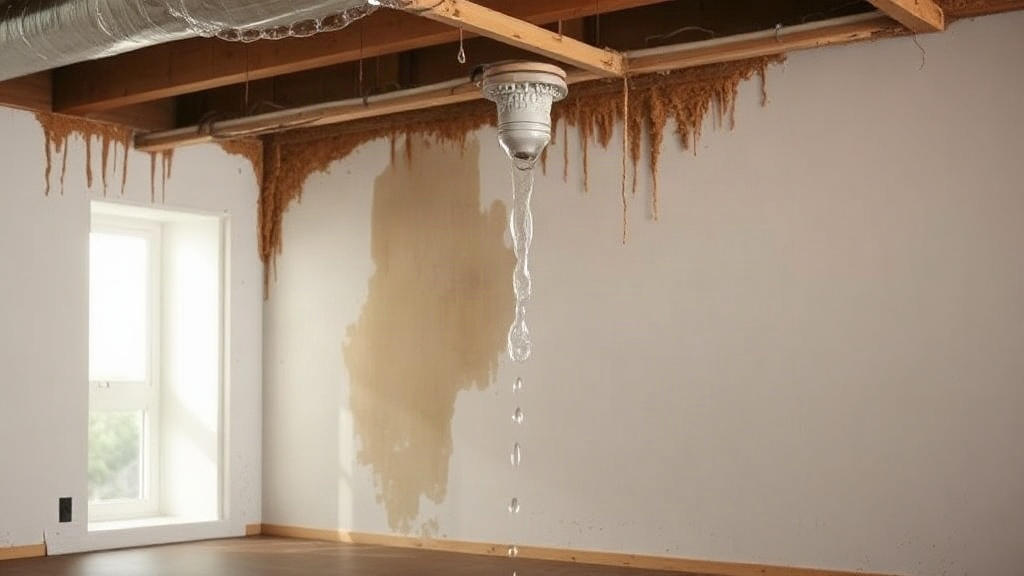
Musty air, a faint stain on the ceiling, a floorboard that squeaks only in winter. The signs of hidden moisture problems rarely announce themselves loudly, which is exactly why they matter. Many homeowners first notice them during a New House Project or a simple repaint, when a wall or baseboard reveals damage that has been building quietly for months. This guide explains what to look for, why early detection protects both your home and your budget, and the practical habits that keep small damp patches from becoming expensive repairs.
Quick answer: Look for recurring smells, stains, bubbling paint, warped trim, and condensation on cold surfaces. Check the basement, attic, bathrooms, and around windows and appliances. Investigate any sign promptly, because damp that stays hidden damages wood, drywall, and indoor air quality before visible rot appears.
What is signs of hidden moisture problems?
Water damage usually starts small and stays out of sight. Moisture seeps behind drywall, under flooring, or into framing, and the visible symptom appears elsewhere. A stain on the ceiling might trace back to a leaking roof; a musty closet might hide a slow pipe drip.
The term covers the physical clues that point to water where it should not be. These clues rarely involve a puddle. Most revolve around subtle changes in how a home looks, feels, and smells.
Common signs include:
- A persistent damp or musty odor, especially in basements and closets
- Water stains, rings, or discoloration on ceilings and walls
- Paint that bubbles, cracks, or peels without an obvious cause
- Warped or soft baseboards, window sills, or floorboards
- Condensation on windows, pipes, or cold walls in warm weather
- White, powdery deposits on masonry or basement walls
- Unexplained increases in utility bills from a running humidifier or AC
These clues differ from obvious leaks. A burst pipe produces water you can see and mop up. Hidden moisture develops slowly, often over weeks or seasons. It draws on small sources: a hairline roof gap, a cracked caulk line around a tub, or a dryer vent that dumps warm air into an attic.
Some signs appear only at certain times. A basement may feel dry in summer and clammy in spring. A musty smell might fade after you air out a room, then return once windows are shut. That pattern itself is a clue. It suggests the source remains active and ventilation is only masking it.
Water can enter in one place and show up several rooms away, running along framing or pooling under a floor. Tracing a stain to its source usually requires looking above and adjacent to where the damage appears.
The practical takeaway: treat visible clues as the end of a trail, not a single isolated problem. A stain, a smell, and a soft baseboard in the same room usually share one origin, and finding it early protects the structure around it.
Why signs of hidden moisture problems matters

Ignoring moisture rarely saves money. It usually shifts the cost later and makes it larger. Wood framing, drywall, and subfloor absorb water and lose strength. Rot invites carpenter ants and termites. Mold can take hold within a few days of steady damp and spreads through the air as spores.
Health matters too. Indoor air quality suffers when damp persists, and people with allergies or asthma often notice symptoms first. The World Health Organization recommends fixing damp buildings promptly and keeping interiors dry, because the reasons run from structural integrity to general well-being.
There is also a resale factor. Home inspectors look for exactly these clues. A musty odor in a basement or fresh paint masking a stain can stall a sale or trigger a price reduction. Buyers and their inspectors treat unexplained damp as an open question, and open questions cost money in negotiation.
Compare the two paths:
| Acting on early clues | Ignoring early clues | |
|---|---|---|
| Cost | Small repair, often a caulk line or vent fix | Framing, insulation, or subfloor replacement |
| Time | Hours of investigation | Weeks with contractors and dry-out equipment |
| Risk | Minimal if diagnosed early | Mold, rot, and pest damage |
Early detection also makes diagnosis easier. A fresh, small stain tells you where water entered. Once damage spreads, tracing the source becomes harder. If you have ever wondered why are my walls sweating, the answer usually lies in humidity and surface temperature rather than a leak, and tackling it early prevents paint damage and mold.
Persistent damp can support mold growth. If you see extensive mold, or family members develop respiratory symptoms, address the moisture source and consider professional help rather than just cleaning the surface.
The key point: moisture problems are far cheaper to catch in their first weeks. The signs exist precisely to give you that window.
Best practices
The best defense is a habit of looking in the places water hides, combined with controls that keep indoor humidity in check.
Walk the perimeter twice a year
Check the exterior after heavy rain. Look at the roof line, gutters, and the base of the foundation. Water that pools against the house finds cracks and works inward. Clear gutters and extend downspouts so runoff exits several feet from the walls.
Keep indoor humidity in a healthy range
Many experts suggest aiming for roughly 30 to 50 percent relative humidity indoors. A cheap hygrometer costs little and can be placed in the basement, living area, or near the bathroom. If readings stay high, use ventilation or a dehumidifier before condensation starts forming on cold surfaces.
Vent moisture at its source
Bathroom fans, range hoods, and dryer vents should carry moist air outdoors, never into the attic or a crawlspace. Run the bathroom fan during showers and for about 20 minutes afterward. Confirm the vent terminates outside, not just into the roof space.
Check the hidden zones
Look under sinks for slow drips, behind the washing machine, and along the bottom of the water heater. Inspect the attic near chimneys and vents for dark stains or damp insulation. In crawlspaces, look for sagging insulation and powdery deposits on joists.
Document and investigate
When you spot a clue, take a photo and note the date. Patterns over seasons reveal a lot. A stain that grows after rain suggests a roof or window issue. One that appears after showers points to tile grout or caulk.
Tape a small square of cotton to a suspect patch of wall or masonry for a day or two. Damp cotton is a simple way to confirm a wall or floor feels moist even when it looks dry.
The practical takeaway: combine regular inspections with humidity control. Neither alone catches everything, but together they close most of the gaps.
Common mistakes to avoid
Most serious moisture damage follows a predictable set of errors. Steering clear of them protects your home and your budget.
Painting over a stain
Fresh paint hides a water mark for a few months, then the stain bleeds through and the paint peels. The moisture source still sits behind the wall. Always find and fix the cause before you redecorate.
Assuming a musty smell will air out
Ventilation changes the smell, not the moisture. A closet that smells fresher with the door open probably has a persistent damp source. Chase the cause before treating the odor.
Ignoring condensation as harmless
Condensation on windows or pipes signals elevated humidity. Left alone, it soaks window frames and insulation and feeds mold. It usually points to a ventilation gap, not a leak.
Sealing a house too tightly
Weatherstripping and insulation save energy, but a house with no ventilation path traps moisture indoors. Modern homes need deliberate air exchange. Simple vents, bath fans, and dehumidifiers prevent trapped damp.
Stains, bubbling paint, and warped trim are symptoms. Treat the source first, then repair the finish. Repairing only the surface leaves the problem running behind it.
Skipping the attic and crawlspace
These spaces are easy to forget because no one lives in them. They also collect moisture from roofs, vents, and ground vapor. A walk-through twice a year catches problems early.
Ignoring small roof leaks
A single missing shingle or cracked flashing can let in enough water to saturate attic insulation over a season. Insulation that stays wet becomes a mold host and loses its effectiveness.
The takeaway: treat every outward sign as a prompt to investigate, not to cover up. The clue shows you where to look, and stopping there usually backfires.
FAQ
How long does it take for hidden moisture to cause serious damage?
Mold can begin growing within a few days of sustained damp. Structural timber may take weeks or months to soften, but rot develops faster in warm, wet conditions. Addressing the source early shortens the damage window dramatically.
Can a moisture problem stay hidden for years?
Yes. Slow roof leaks, tiny pipe drips, and ground moisture entering a crawlspace can go unnoticed for a long time, especially if a room is rarely used. Periodic checks of the attic, basement, and behind appliances catch what daily life hides.
Is condensation on my windows always a moisture problem?
Condensation means air near the glass is holding more moisture than it can at that temperature. That may reflect normal showering or cooking, or it can point to high indoor humidity. If it appears daily or causes damp frames, improve ventilation or reduce humidity.
Should I test for moisture myself or call a professional?
A simple hygrometer and a visual inspection cover most household cases. If a stain keeps returning after repairs, or the smell persists despite ventilation, a professional with moisture meters and thermal imaging can trace the source quickly.
Do I need to treat mold before fixing the moisture?
Fix the source first. Mold returns whenever damp does, so cleaning without addressing moisture is temporary. For large areas or health concerns, bring in a specialist after the source is found.
Conclusion
Hidden damp leaves clues before it leaves damage. Musty odors, bubbling paint, warped trim, and condensation all point to water that has found a path into the structure. Acting on those clues early turns a small repair into a manageable job instead of a major one. Look closely at the basement, attic, and the corners you rarely visit, and keep indoor humidity in check with simple ventilation. If a sign keeps returning after a repair, call a professional to trace the source. Your next step is a 20-minute walk around the house with a notepad and a hygrometer.