
Bar Tools Every Home Bartender Needs

Emergent Gameplay Explained: How Games Let You Break the Rules

How to Select Long-Lasting Materials for Outdoor Infrastructure
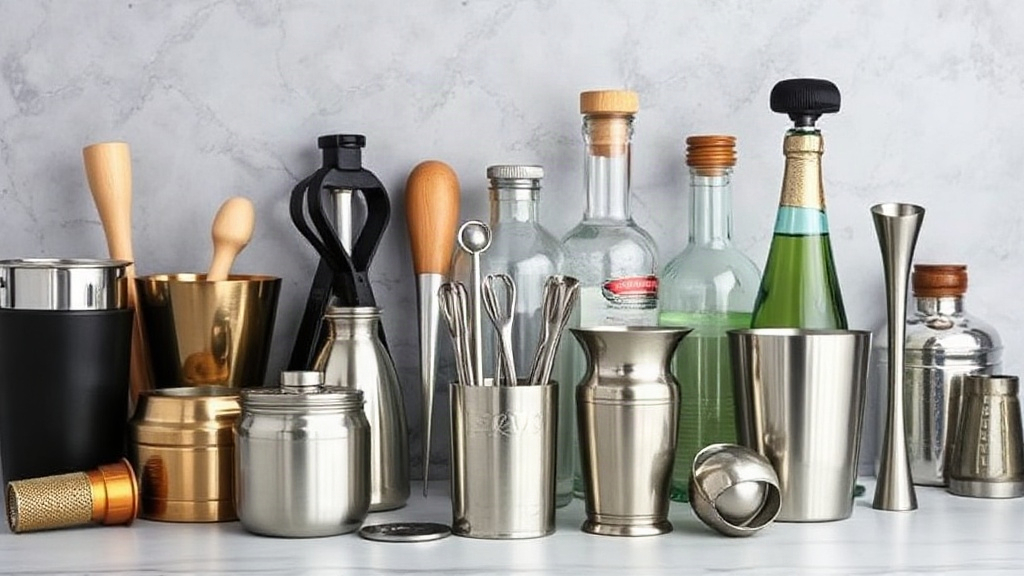
A good drink rarely depends on a fancy bottle; it depends on having the bar tools every home bartender needs within arm’s reach. You can mix a respectable cocktail with a kitchen spoon and a mug, but the right gear makes the process faster, cleaner, and far more consistent. This guide covers the tools worth buying first, which ones you can safely skip, and how to spend your money wisely. If you also enjoy planning a night out around good drinks and food, browsing Miami food and dining ideas can sharpen your sense of what a well-run bar looks and feels like.
Quick answer: Start with a shaker, a jigger, a bar spoon, a strainer, and a sharp paring knife, because those five cover most classic cocktails. Add a mixing glass, a muddler, and a citrus press as your drink repertoire grows. Buy sturdy stainless steel rather than the cheapest set, and skip anything you cannot see yourself using weekly.
Our picks at a glance
The list below is ordered by how often a typical home bartender reaches for each tool. Five items form the core, and the rest improve speed, texture, or presentation once the basics are in place. Here is the short version before the detail.
- Cocktail shaker — chills and dilutes shaken drinks, and does the mixing for you.
- Jigger — measures spirits and syrups so a recipe tastes the same every time.
- Bar spoon — stirs, layers, and scoops with a long handle that reaches the bottom of a glass.
- Hawthorne strainer — catches ice and pulp as you pour.
- Sharp paring knife and cutting board — prepares citrus, herbs, and garnishes.
- Mixing glass — stirs spirit-forward drinks without over-diluting them.
- Muddler — releases flavor from mint, berries, and citrus wedges.
- Citrus press or juicer — gets more juice from lemons and limes with less effort.
- Fine-mesh strainer — removes small ice shards and herb fragments.
- Bar mat and jigger measure set — keeps the counter clean and the pours accurate.
What the first five tools actually do
A shaker, jigger, bar spoon, strainer, and knife cover shaken drinks, stirred drinks, and garnish work. Together they handle a margarita, a whiskey sour, a martini, and a mojito. Most beginners underestimate the jigger and the knife, yet those two affect flavor and appearance the most.
A well-made shaker and jigger will outlast three cheap starter kits. Replace the weakest link in your setup instead of buying everything at once.
The tools you can add later
A mixing glass, muddler, citrus press, and fine-mesh strainer matter once you move beyond simple two-ingredient drinks. They also make cleaning easier because each tool does one job well. Wait until a specific recipe frustrates you, then buy the tool that solves it.
Comparison: shaker vs. mixing glass
Shaking chills fast and adds aeration and dilution; stirring keeps a drink clear and controlled. The table shows which drink styles suit each method.
| Method | Best for | Texture result |
|---|---|---|
| Shaker | Citrus, egg white, cream, juice-based drinks | Chilled, frothy, slightly cloudy |
| Mixing glass | Spirit-forward drinks like martinis and Manhattans | Cold, clear, lightly diluted |
Notice that the tool choice changes the drink itself, not just the process. A margarita stirred in a glass tastes flatter than one shaken hard with ice.
The list: bar tools every home bartender needs, ranked
1. Cocktail shaker
A shaker is the tool you will touch most. A Boston shaker, made of a metal tin and a glass or second tin, seals well and fits a strainer neatly. A three-piece cobbler shaker has a built-in strainer and suits small home setups. Choose one with a tight seal and a generous capacity, around 18 to 28 ounces.
2. Jigger
A jigger looks simple, but it is the difference between a balanced drink and an overpowering one. Pick a double-sided model with clear markings, such as 1 ounce on one side and 2 ounces on the other. Some jiggers also include half and three-quarter measurements, which help with syrups and liqueurs.
3. Bar spoon
The long, twisted handle of a bar spoon lets you stir a drink at the bottom of a tall glass. It also layers liqueurs and scoops small ingredients. A spoon around 12 inches long fits most mixing glasses and shaker tins. If you plan to make a Miami Vice, a long spoon helps you pour the layered rum and strawberry mix cleanly instead of letting the colors blur together.
4. Hawthorne strainer
The spring coil on a Hawthorne strainer presses against the rim of a shaker tin and holds back ice and fruit pulp. It fits standard tins snugly and pours fast. A fine-mesh strainer placed underneath catches smaller particles, which matters for drinks made with muddled herbs.
5. Sharp paring knife and cutting board
Garnishes shape the first impression of a drink. A small, sharp paring knife peels citrus twists, cuts wheels, and trims herbs. Keep a dedicated board for fruit so the knife stays sharp and flavors stay clean. Replace the blade when it starts crushing rather than slicing.
6. Mixing glass
A heavy mixing glass stays stable while you stir and keeps a martini cold without shaking in air bubbles. A one-pint glass suits most home recipes. If counter space is tight, a sturdy pint glass can stand in until you upgrade.
7. Muddler
A muddler presses mint, berries, and citrus gently to release oils and juice. Choose one with a flat or slightly ridged base and a length that fits your tallest glass. Press rather than grind, because over-muddling mint turns a drink bitter.
8. Citrus press or juicer
Fresh juice changes a cocktail more than most premium spirits do. A handheld citrus press gets more juice from a lemon or lime than squeezing by hand, and it keeps seeds out of the glass. A manual press is cheaper and easier to store than an electric juicer.
9. Fine-mesh strainer
A small fine-mesh strainer is inexpensive and earns its space. It removes ice shards and herb fragments when you double-strain, giving a smoother texture. It also works for dusting cocoa or nutmeg over a finished drink.
10. Bar mat and measuring set
A rubber bar mat grips glasses and catches spills. A spare set of measuring spoons handles small amounts of bitters and syrups. These small items protect your counter and keep the workflow tidy during a busy evening.
How to choose the right option
Start with what you drink most often. A shaken-drink household needs a shaker and strainer first; a stirred-drink household needs a mixing glass and spoon. Match your purchases to your habits rather than to a kit.
Check the fit. A shaker should seal without force and open easily after shaking. A spoon should reach the bottom of your tallest glass. A strainer should sit flush on the tin. Poor fit causes spills and frustration.
Favor stainless steel and glass. Metal tools resist rust and hold up to repeated washing. Glass mixing vessels stay clear and do not absorb odors. Avoid painted or coated metal on surfaces that touch your drink.
Set a sensible budget. A basic but solid setup of five tools often costs less than a single premium bottle. Spend more on the shaker and jigger, since those affect every drink. Save on strainers and spoons, which are simple to make well.
Ten quality tools in a drawer beat twenty that crowd the counter. Store frequently used items within easy reach and put occasional tools in a box.
Matching tools to your drink menu
Keep a short list of the drinks you make most and check your tools against it. If you never shake, a shaker can wait. If you garnish every drink with citrus, invest in a good knife and press first.
FAQ
Do I really need a jigger, or can I eyeball the measurements?
A jigger keeps a recipe consistent from one drink to the next. Eyeballing works for casual pouring, but it makes balance harder to repeat. A clear double-sided jigger is cheap and lasts for years.
What is the biggest mistake beginners make with bar tools?
Buying a large kit full of single-use gadgets before learning the basics. Most gadgets gather dust while a shaker, jigger, and strainer do nearly all the work. Build the core first, then add as needed.
How much should I expect to spend on a starter setup?
A practical core of five tools usually costs about the same as two or three mid-range bottles. Prices vary widely, so compare a few brands and prioritize the shaker and jigger. You can add other tools gradually.
Can I substitute kitchen equipment for bar tools?
Yes, in a pinch. A mason jar shakes, a measuring cup measures, and a small sieve strains. Dedicated tools improve speed, seal quality, and cleanup, which matters once you host regularly.
Are expensive bar spoons and strainers worth it?
The gains are modest beyond a certain price. Weight, balance, and a snug fit matter more than brand. A mid-range spoon and strainer serve most homes well.
Conclusion
A well-stocked home bar starts small: a shaker, jigger, spoon, strainer, and knife do most of the work, and the rest of the bar tools every home bartender needs arrive as your drink list grows. Prioritize fit and material quality over quantity, and buy tools that match what you actually drink. Your next step is simple: pick the one item your current setup lacks, buy a sturdy version, and test it with a favorite recipe this week. A single good purchase often improves every drink that follows.


