How Accurate Is Your Tape Measure, and Could It Be Ruining Your Cuts?

What to Wear and Bring to a Desert Fall Festival

Smart Ways to Save Money on Outdoor Hobbies Without Losing the Fun
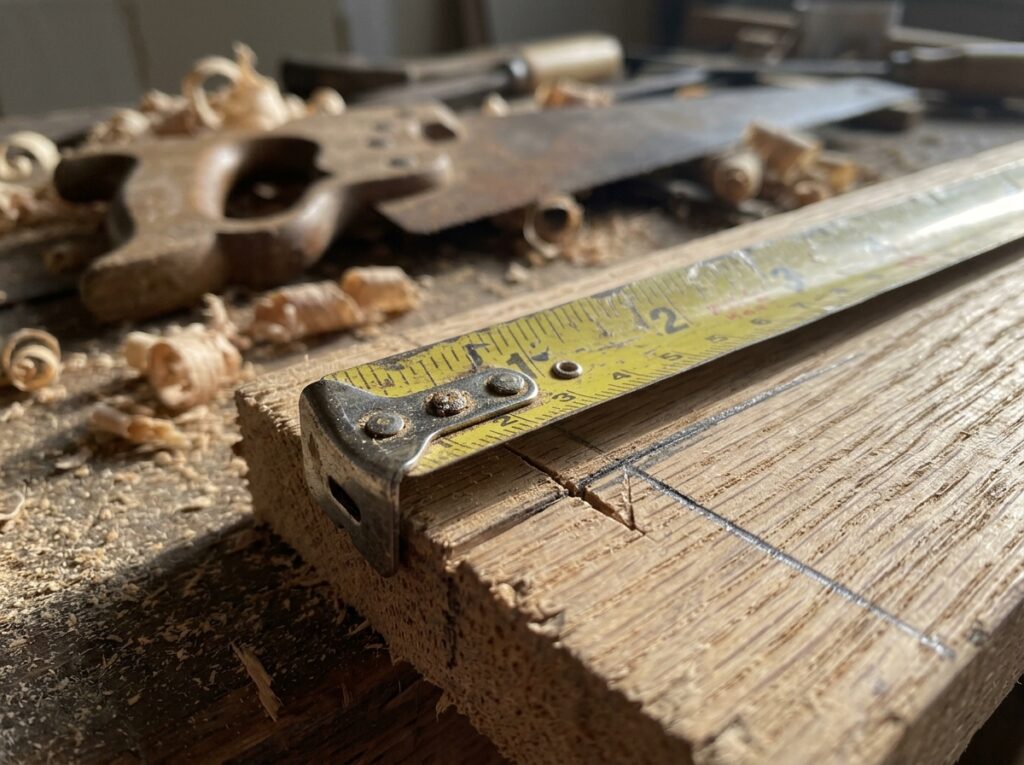
You measure twice, cut once, and the piece still comes out short. Before you blame your saw or your technique, consider the tool doing the measuring. Tape measures are not all created equal, and a surprising number of them are inaccurate right out of the package. Whether you are framing a wall or trimming a cabinet, even a small error compounds with every cut. Understanding how a diamond tape measure and other quality options differ from budget models is the first step toward cuts that actually fit.
Quick Answer
Most tape measures are accurate to within a small tolerance per foot, but that tolerance, combined with the hook’s sliding mechanism and how you read the markings, can throw off a cut by 1/16 inch or more. The biggest culprits are a bent or loose hook, misreading the graduations, and using a worn or cheap tape. Checking your tape against a known reference and replacing damaged ones solves most accuracy problems.
Key Takeaways
- Tape measure accuracy depends on the hook, the blade material, and manufacturing tolerances, not just the printed numbers.
- A loose or bent hook is the most common cause of measurement errors because it changes the zero point.
- Standards allow small tolerances per foot, so two tapes can legitimately disagree slightly.
- Reading the wrong graduation line or measuring from the wrong hook position creates errors larger than the tape’s own tolerance.
- Matching your measuring tool to the cut’s precision requirements matters more than buying the most expensive tape.
How Tape Measure Accuracy Actually Works
A tape measure’s accuracy is a system, not a single number. The blade has printed graduations, the hook moves slightly on its rivets, and the case holds the blade under spring tension. Each part can introduce error. Manufacturers build in tolerances so the hook can slide to account for its own thickness, but that design also means a damaged hook throws off every measurement that starts at the end of the tape.
Understanding the Hook’s Sliding Mechanism
That wiggle in the hook is deliberate. When you push the hook against a surface, it slides inward so the outside of the hook sits exactly on the zero point. When you hook it over an edge, it slides outward so the inside face aligns with zero. This is why a hook should move about the thickness of the metal itself, roughly 1/16 inch or less. If it moves more, or not at all, your measurements drift. A hook that has been dropped, bent, or worn loose is the single most common source of tape measure error.
Manufacturing Tolerances and What They Mean for You
Reputable tape measures are built to recognized accuracy standards that permit small deviations, often expressed as a fraction of an inch per unit of length. That means a tape can be slightly off and still be considered within specification. For rough framing, this rarely matters. For cabinet work, furniture, or anything with tight joinery, it can. The practical takeaway is that no tape is perfect, and you should not assume two different tapes will agree exactly.
Why a Cheap or Worn Tape Ruins Your Cuts
Budget tapes often use thinner blades that stretch under tension, weaker springs that let the blade sag, and hooks that loosen quickly. A stretched blade reads long, so your cut comes out long. A sagging blade makes it hard to hold a straight line, so your mark wanders. A loose hook shifts the zero point, so every measurement is off by the same amount, which is worse because the errors stack when you measure multiple pieces from the same tape.
Wear compounds the problem. The hook loosens, the printed markings fade or wear off at the frequently used ranges, and the blade develops kinks that make it lie crooked. A tape that served well for years can quietly drift out of accuracy. If you cannot remember when you last verified it, it is worth checking.
How to Check Your Tape Measure
You can verify a tape in a few minutes with tools you probably already own. The goal is to compare your tape against a known reference and check the hook’s behavior.
- Find a reliable reference length, such as a steel rule, a machinist’s scale, or a factory-cut board you trust. Avoid using another tape measure as your reference, since it may share the same error.
- Measure a known distance, for example, 12 inches, and compare your tape’s reading to the reference.
- Test the hook both ways: push it against a surface and hook it over an edge. Measure the same object both ways and confirm you get the same reading.
- Check the hook’s play by hand. It should move slightly, roughly the thickness of the hook metal, and return to position. Excessive slop or a stiff, unmoving hook is a problem.
- Inspect the blade for kinks, rust, and worn markings at the ranges you use most.
If your tape fails the hook test or reads consistently off against a reliable reference, retire it. For precision work, a tape that is off by even 1/16 inch over a short distance is not worth the risk.
How to Measure More Accurately With Any Tape
Even a good tape can produce bad cuts if you use it carelessly. A few habits make a real difference.
- Burn an inch when precision matters. Start your measurement at the 1-inch mark instead of the hook, then subtract that inch from your reading. This removes the hook from the equation entirely.
- Use the same tape for every measurement on a project. Mixing tapes invites small discrepancies that add up.
- Mark with a sharp pencil or a knife line, not a thick pen. A wide mark can cost you 1/32 inch or more.
- Keep the blade flat and straight. A sagging or angled blade reads long.
- Measure from the same reference point every time. Measuring one piece from the left edge and the next from the right introduces avoidable error.
- For critical cuts, mark directly from the workpiece instead of transferring a number. This eliminates reading and transcription mistakes.
When Tape Measure Accuracy Really Matters
Not every project demands the same precision. Knowing when to care helps you decide whether to upgrade your tape or change your method.
| Project Type | Tolerance That Matters | Practical Approach |
|---|---|---|
| Rough framing | 1/8 inch or more | Any decent tape works; focus on consistency |
| Shelving and decks | 1/16 inch | Use one tape throughout; check the hook |
| Cabinets and trim | 1/32 inch | Burn an inch; consider a quality tape or rule |
| Furniture and joinery | 1/64 inch | Use a steel rule or story stick; tape for rough only |
The pattern is clear: the finer the work, the less you should rely on a tape’s hook and the more you should rely on direct marking and rigid references. A tape measure is a fast layout tool, not a precision instrument. Treating it as one is a common mistake.
Do You Need a Specialty or Diamond Tape Measure?
Specialty tapes exist for specific trades. Some are designed with reinforced hooks, nylon-coated blades, or dual-sided printing for overhead work. Others include features like magnetic hooks, blade locks, or stud markings. The term diamond tape measure sometimes refers to tapes with diamond-shaped or highlighted markings at common spacing intervals, which can speed up layout on studs and joists, though naming varies by brand.
What matters more than the label is the build quality and whether the tape is calibrated well enough for your work. A sturdy hook, a stiff blade, clear markings, and a strong spring do more for accuracy than any single feature. If you do a lot of layout, a tape with clearly marked interval patterns can reduce reading errors. If you do fine work, invest in a steel rule or a precision scale instead.
Common Mistakes That Ruin Cuts
- Mixing tape measures on the same project, so pieces disagree by small amounts.
- Ignoring a bent or loose hook because the tape “still works.”
- Reading the wrong side of a dual-scale tape or misreading the fraction marks under poor light.
- Cutting to the wrong side of the pencil line, effectively changing the measurement.
- Assuming a new tape is accurate without checking, especially budget models.
- Using a tape for precision joinery when a rigid rule or story stick is the right tool.
Most of these cost nothing to fix. A minute of checking and a consistent habit prevent the majority of measurement errors.
Frequently Asked Questions
Are all tape measures equally accurate?
No. Accuracy depends on the hook, blade stiffness, spring tension, and manufacturing tolerance. Budget tapes and worn tapes tend to be less reliable. Even tapes within spec can disagree slightly, so avoid mixing them on a single project.
How often should I replace a tape measure?
Replace it when the hook is bent or loose, the blade is kinked or stretched, the markings are worn, or it fails a check against a reliable reference. There is no fixed schedule; condition matters more than age.
What is the most accurate way to measure with a tape?
Burn an inch by starting at the 1-inch mark and subtracting it, keep the blade flat, mark with a sharp line, and use the same tape for all related measurements. For fine work, switch to a steel rule or story stick.
Can a tape measure be recalibrated?
Consumer tape measures generally cannot be recalibrated. If the hook is the issue, a replacement hook or a new tape is the practical fix. For precision needs, use a calibrated rule instead.
Why do two tape measures give different readings?
Manufacturing tolerances, hook condition, and blade stretch all cause small differences. When two tapes disagree, neither is necessarily broken. Decide which one to trust by checking against a reliable rigid reference.
Does the sliding hook make a tape inaccurate?
No, the sliding hook is intentional and compensates for the hook’s thickness. It becomes a problem only when it moves too much, too little, or is bent, which shifts the zero point.
Conclusion
Your tape measure is probably accurate enough for rough work, but it can absolutely ruin precision cuts if the hook is worn, the blade is stretched, or you read it carelessly. Check the hook, verify against a known reference, use one tape per project, and burn an inch when it counts. For fine joinery, reach for a rigid rule or story stick instead. Treat the tape as a fast layout tool and confirm your measurements before the saw touches wood.