Why Gen Z Is Redefining Traditional Beauty Standards

Telescopic vs. Two-Piece Fishing Rods: What’s the Difference?
September 23, 2026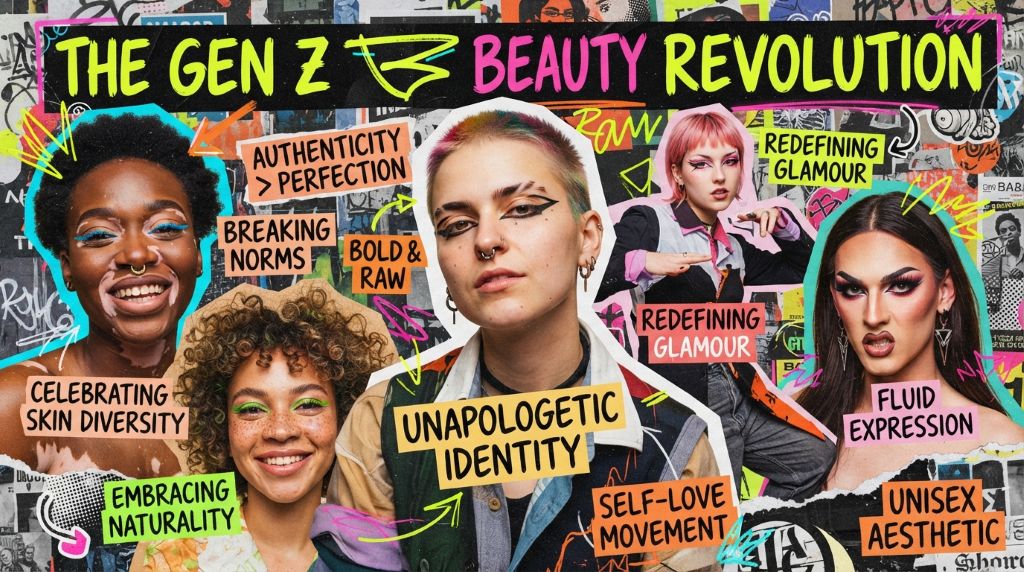
Key Takeaways
- Gen Z prefers real skin and honest content over polished perfection.
- Diversity in shade, size, and gender now shapes the beauty market.
- Social media creators, not glossy ads, drive today’s beauty trends.
- Simple routines, such as skinimalism, are replacing heavy glamour.
- Brands that ignore these changes are losing young shoppers fast.
Beauty rules have changed faster in the past five years than in the previous fifty. For decades, glossy magazine covers and TV ads defined what looked “beautiful.” However, that era is fading. Gen Z, the generation born between the late 1990s and early 2010s, now leads the beauty market. They question old ideals. They post real skin, celebrate unique features, and demand inclusion from every brand. Additionally, they spend real money, so the industry cannot ignore them. This article explains why Gen Z is rewriting beauty standards. It covers the main drivers behind the shift. It also shows what these changes mean for shoppers and brands alike.
Who Is Gen Z and Why Do They See Beauty Differently?
Gen Z is the most diverse generation in history. According to the Pew Research Center, only about half of Gen Z in the United States is white. Meanwhile, that share was closer to six in ten for millennials. Therefore, many young people grew up surrounded by many skin tones, cultures, and identities. Beauty ideals built around one narrow look simply do not fit their world.
Their values match this diversity. McKinsey’s “True Gen” report found that Gen Z prizes individual expression and rejects fixed labels. In other words, they treat beauty as a personal choice, not a rulebook. Additionally, Deloitte’s annual Gen Z survey shows strong support for brands that act on their values. Most young respondents expect companies to stand for fairness and inclusion.
Furthermore, this generation grew up fully online. They have seen edited photos since childhood. However, instead of chasing filters, many now push back against them. As a result, honesty itself has become a beauty value. Finally, their spending power grows every year. Therefore, the beauty industry has strong reasons to listen closely to them.
The Shift from Flawless to Real
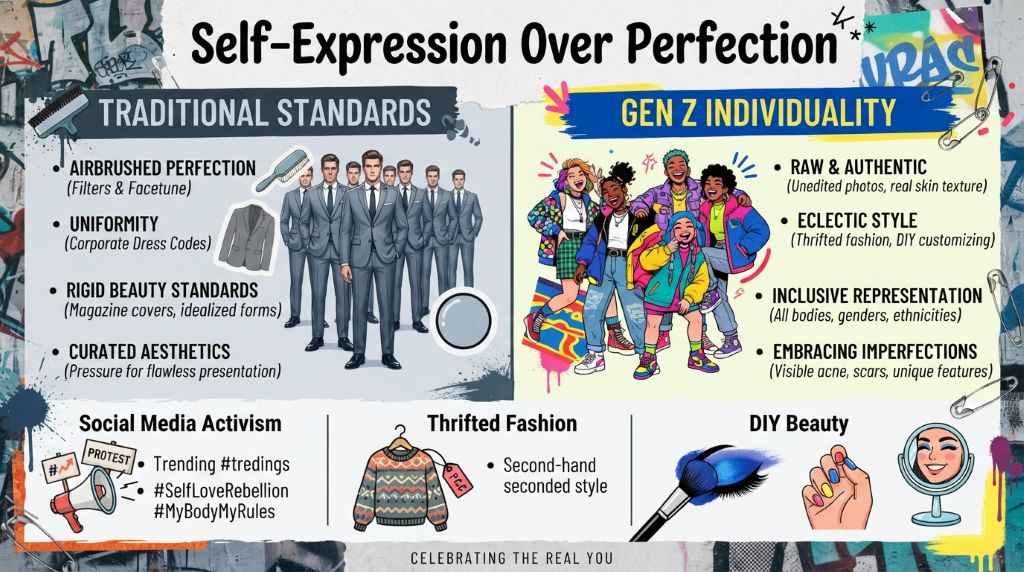
For years, beauty meant smooth, poreless, edited skin. Gen Z is turning that idea upside down. They post acne, scars, stretch marks, and body hair online. Movements like acne positivity and body neutrality now trend across TikTok and Instagram. Therefore, what was once hidden is now openly shared and even celebrated.
The numbers behind this mood are striking. A Dove Self-Esteem Project report found that 80% of girls have used a filter or retouching app by age 13. Additionally, earlier Dove research found that only 4% of women worldwide consider themselves beautiful. These findings alarmed many young people. As a result, many Gen Z creators now refuse heavy editing. They treat real, unfiltered photos as a badge of honesty.
This shift also protects mental health. Research links heavy filter use to lower self-esteem and poor body image. Therefore, choosing “realness” is not only a style choice. It is also a form of self-care. Moreover, celebrities now join the movement. Stars post their own skin texture and talk openly about cosmetic work. However, Gen Z expects this honesty from everyone, famous or not. In short, flawless is out, and real is in.
Social Media Is the New Beauty Authority
Older generations learned beauty from magazines and store counters. Gen Z learns it from TikTok, Instagram, and YouTube. Trends now start with a single viral video. For example, products sell out overnight after one creator posts about them. McKinsey’s State of Fashion research confirms that social platforms now shape trends faster than traditional advertising.
Budget brands have benefited the most. Piper Sandler’s yearly “Taking Stock With Teens” survey named e.l.f. Cosmetics the favorite makeup brand among American teens. The brand wins with low prices, fun products, and a strong TikTok presence. Additionally, creators now carry the influence once held by celebrities. Their content feels personal and easy to trust.
Signs of content that young shoppers trust include:
- Honest reviews that mention real flaws
- Low prices and easy access
- Clear before-and-after clips
- Relatable creators instead of perfect ones
However, social media has a dark side too. Viral filters can push extreme looks, such as the so-called “Instagram face.” Therefore, Gen Z fights back with counter-trends. They post filtered versus unfiltered comparisons. They also call out unrealistic edits on public figures. As a result, the platform became both the problem and the solution. Brands that understand this gain attention. Brands that do not fade quickly.
Inclusivity Has Become the Baseline
Gen Z does not see diversity as a bonus. They see it as the minimum. This expectation changed the industry in real ways. The clearest example came in 2017. Fenty Beauty launched with 40 foundation shades, and the market responded fast. Journalists later called it “the Fenty effect.” Since then, most major brands have expanded their shade ranges. Therefore, what was once rare is now standard practice.
Size, age, and ability diversity are growing too. Campaigns now feature plus-size models, older faces, and people with visible differences. Moreover, research supports this direction. A Kantar study with Meta found that ads showing genuine diversity drive stronger purchase intent. Shoppers simply trust brands that look like the real world.
Gen Z’s expectations reach beyond advertising. According to Deloitte’s global survey, most Gen Z respondents check a company’s values before buying. Therefore, empty diversity claims quickly backfire. Young shoppers can spot “performative inclusion,” where brands post friendly messages without real action. As a result, true inclusion now shows up in products, staffing, pricing, and shade ranges. Additionally, Sephora’s 2021 study on bias in retail pushed stores to rethink the shopper experience. Clearly, inclusivity has moved from marketing talk to business basics.
Skinimalism, Gender-Free Beauty, and Self-Expression
Gen Z also simplifies and remixes beauty in fresh ways. First, there is skinimalism. Pinterest Predicts named this trend of pared-back routines a top movement. Instead of ten products, young people choose three or four that work hard. Dewy, natural skin beats a full-coverage mask. Additionally, skincare now ranks above makeup for many teens. Therefore, brands respond with simple formulas and honest labels.
Second, gender lines are fading. Research firm Mintel reports a steady rise in gender-neutral beauty launches. Words like “clean” and “for all skin types” replace “for men” and “for women.” Meanwhile, the men’s grooming market keeps growing worldwide, according to Statista. Therefore, beauty is no longer a one-gender space.
Third, makeup has become pure self-expression. Graphic eyeliner, bold colors, and playful looks dominate feeds. The goal is not to hide flaws. Instead, the goal is to have fun and show personality. McKinsey’s research on Gen Z confirms this view of beauty as identity play. However, this freedom comes with balance. Many young people still love glam looks. They simply refuse to be told they need them. As a result, choice itself has become the new standard.
Conclusion
Gen Z is not just changing beauty. They are changing the conversation around it. Realness has replaced perfection. Diversity has replaced narrow ideals. Creators have replaced glossy ads. Additionally, rigid gender rules and long routines are losing their grip. These shifts will only grow as this generation gains spending power. However, the lesson applies to everyone, not just brands. Beauty works best as expression, not pressure. Old standards asked people to fit one mold. The new standard asks brands and media to reflect real life instead. This is also reflected in beauty tips – seasonal skincare and makeup trends, which increasingly focus on practical routines, individual preferences, and adapting beauty choices to real-life needs.
Ready to join the shift? Start with one small step today. Post one unfiltered photo. Follow three creators with different backgrounds than yours. Or swap five products for two you truly love. Then share this article with a friend who needs the reminder. Beauty is changing for the better, and every voice, including yours, moves it forward.
FAQs
1. What age range does Gen Z cover?
Pew Research Center defines Gen Z as people born from 1997 to 2012.
2. Why does Gen Z dislike filters and heavy editing?
They connect heavy editing with low self-esteem and false standards. Real skin feels healthier and more honest.
3. What is skinimalism?
It is a simple beauty routine with fewer, multi-use products and a natural finish.
4. Which brands reflect Gen Z beauty values?
Fenty Beauty, e.l.f. Cosmetics, Rare Beauty, and Dove often lead in realness and inclusion.
5. How can brands win over Gen Z shoppers?
Show real diversity, price products fairly, act on stated values, and communicate honestly online.