How to Find the Best All-in-One Fishing Lure Kit

How To Choose Mountain Bike Trails: What Beginners Should Know About Difficulty, Terrain, And Safety

How DBS Contractors LLC Helps Methuen Homeowners Plan a Safer, Better-Managed Remodel

You’re standing at the tackle aisle, overwhelmed by hundreds of shiny options. That’s the exact moment you realize you need one box that does it all. The hunt for the perfect all-in-one fishing lure kit usually starts with frustration—too many choices, wasted money, and lures that never see water. You want to simplify, pack light, and actually catch fish. The problem is most kits are either junk or overloaded with bass-only lures that fail for panfish. Let’s fix that. This guide cuts through the noise, showing you exactly what to look for, what to avoid, and how to pick a kit that matches your real fishing style—whether you’re a weekend kayaker or a shore-bound beginner. You deserve a kit that works from the first cast.
What Makes a Lure Kit “All-in-One” in 2026?
An all-in-one fishing lure kit is a curated collection of terminal tackle designed to cover multiple species and fishing techniques without requiring extra purchases. In 2026, these kits go beyond simple spinnerbaits. They now include finesse worms, topwater poppers, inline spinners, jig heads, and even soft plastic swimbaits. The best kits are organized in a waterproof, stackable case that fits in a backpack. They save you time and money—if they’re built with actual quality.
Core Components of a True All-in-One Kit
Don’t buy a box that only has crankbaits. A legitimate all-in-one kit must include a mix of hard baits and soft plastics. Here’s what to verify before you press “add to cart”:
- Hard baits: Crankbaits, jerkbaits, and topwater lures for casting and retrieving.
- Soft plastics: Stick worms, creature baits, and paddle-tail swimbaits for slow presentations.
- Terminal tackle: Jig heads, offset hooks, and bullet weights.
- Spinnerbaits or inline spinners: For covering water quickly.
- Storage case: Must have adjustable dividers and a secure latch.
The Evolution of Lure Kits Over Time
Gone are the days of a tin box with three rusty spoons. Modern kits use UV-resistant plastics and chemically sharpened hooks. Many 2026 models also feature scent-infused soft plastics. This evolution matters because fish in high-pressure lakes have seen old lure designs thousands of times. A current all-in-one kit should reflect modern fish behavior.
Why Species Coverage Matters More Than Quantity
Having 100 lures is useless if 80 of them target muskies while you fish for bluegill. The top kits are balanced. They include small spinners for panfish, mid-size crankbaits for bass, and a few finesse options for trout or walleye. Always check the target species list on the packaging.
How Do You Choose the Right Size and Weight?
Start with the fish you actually chase. If you’re a dedicated bass angler, a kit with 4-inch worms and medium-depth crankbaits is ideal. For trout streams, a compact kit with #0 to #2 spinners and tiny spoons is better. The physical size of the kit also matters—you don’t want a backpack-breaking, 12-pound case if you hike to remote spots. Choose a kit that balances coverage with portability.
Matching Lure Size to Target Species
Lure size dictates hook gap and action. A 2-inch minnow lure won’t entice a 5-pound bass, but it’s perfect for crappie. The best all-in-one kits include multiple size classes within the same kit. This allows micro-finesse fishing and power fishing from the same box.
Portability: Hard Case vs. Soft Binder
Hard cases offer superior protection, especially for treble-hook lures that tangle. Soft binders are lighter and easier to stuff in a vest. For an all-in-one, a hard case with internal soft-bait storage is usually the best compromise. Test the latch—you don’t want it popping open on the boat deck.
Weight Considerations for Kayak and Bank Anglers
Kayak fishermen have limited dry storage. Bank anglers walk miles. If you fall into these groups, look for a kit under 3 pounds. Some premium kits even offer modular trays that you can pull out and attach to your belt for minimalism. Remember: the kit is only useful if you actually carry it to the water.
Which Materials and Hooks Are Worth Paying For?
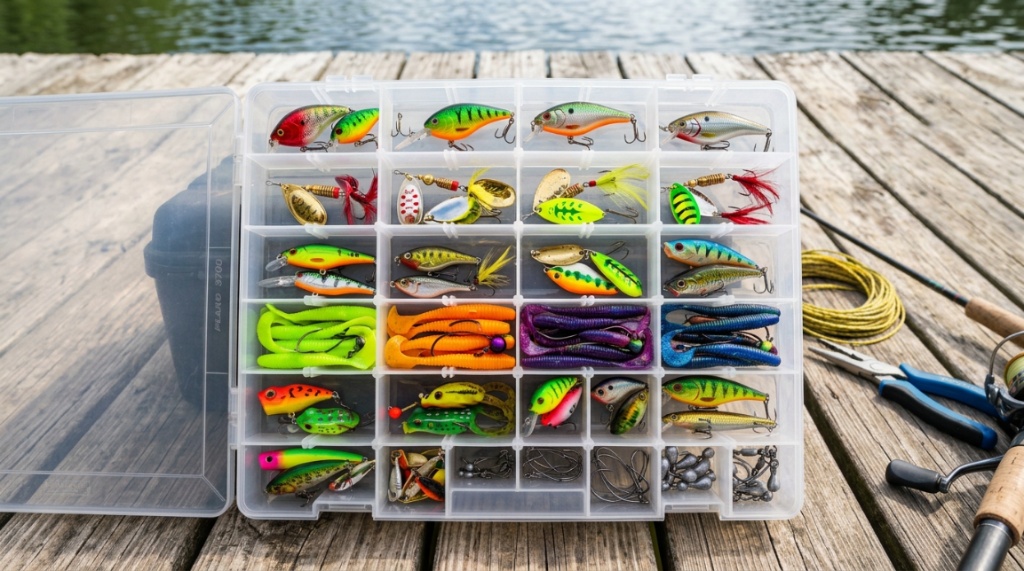
High-quality hooks are the #1 differentiator between a good kit and a cheap one. The best kits in 2026 use chemically sharpened, carbon steel hooks with a corrosion-resistant coating. Split rings should be seamless, not the cheap wire type that opens on a big fish. Plastics should be durable and possess a realistic salt-and-scent mixture. If a kit feels flimsy in your hands, skip it.
Checking Hook Sharpness Out of the Box
Run the hook point gently across your thumbnail. If it catches or scratches the nail, it’s sharp. If it slides, you’ll be missing strikes. Many pro anglers suggest upgrading all hooks, but a good all-in-one kit eliminates this extra work. Read reviews from verified buyers specifically about hook quality.
Soft Plastic Durability and Scent
Cheap soft plastics tear after one fish. Good ones stretch and retain their shape. Also, look for salt-infused plastics—they sink faster and trigger longer holds. The best all-in-one kits use EPA-approved plasticizers without nasty phthalates.
Avoiding Rust and Maintaining Finish
Inspect the paint job on hard baits. Bubbles or rough edges indicate poor insulation that will chip within hours. A quality lure should have a clear topcoat that reflects light. Also, check the hook hangers—they must be through-wired through the body, not screwed into the plastic.
Is a Budget All-in-One Kit Worth It?
Yes, but only if you understand the trade-offs. A $30 kit from a general sporting goods store will get you catching panfish and small bass, but it won’t survive heavy use. In contrast, a $70–$90 kit from a specialized brand like Piscifun or KastKing in 2026 is a genuine investment. The mid-tier price range is the sweet spot for quality and value.
The “Junk Lure” Problem
Many budget kits pad their count with useless lures like glitter-painted shad baits with flimsy hooks. Count the “filler” lures—items you’d never actually fish. If over half the kit is filler, it’s a bad deal. Look for brands that proudly list every single lure.
When to Spend More
If you’re going after trophy bass or saltwater species, cheap kits will fail. Saltwater requires stainless steel hooks and corrosion-proof components. You should demand kits with epoxy-coated weights and rust-resistant swivels in these conditions.
Guarantee and Warranty Considerations
If you lose a few lures to snags, the kit’s lifetime warranty can be a lifesaver. Some brands offer replacement parts. A good warranty turns an average kit into a long-term value.
How Many Lures Should an All-in-One Kit Include?
There’s no universal number, but in 2026, the sweet spot is 40–80 pieces. This typically includes 20–30 hard baits and 20–40 soft plastics, alongside jig heads and hooks. Anything below 25 pieces is too limited; above 100 is often overkill for casual anglers. Look for organization—a nicely arranged tray is easier to use than a tangled mountain of lures.
Counting Practical Lures, Not Total Pieces
If the box claims 80 pieces but includes 50 split-shot weights, it’s not actually an all-in-one kit. Count the actual fishing lures first. A good kit should have at least 30–40 ready-to-fish lures, not just terminal tackle.
Organized Layout vs. Bulk Packaging
Some boxes throw the lures into a baggie. That creates a nightmare of tangled treble hooks. Better kits include a premade, compartmented tray with a slot for each lure. This is one of many reasons to read the “storage case” description carefully—you want the all-in-one fishing lure kit that also preserves your sanity on the water. Organized layouts also keep hooks sharp by preventing them from banging against each other.
How Many is Too Many?
Kits with 120+ lures become heavy and redundant. You’ll rarely use 60% of them, and you’ll struggle to close the box. Stick with a quantity that you can actually memorize and utilize.
How to Test a Lure Kit’s Versatility?
Imagine you’re on a lakeshore at dawn. You cast a topwater popper, get no bites, and want to switch to a finesse worm. A versatile kit lets you do this without changing rods. Look for kits that cover at least three different retrieve speeds and depths: topwater, shallow (0-4 feet), and deep (4-10 feet).
Depth Ranges That Matter
- Topwater: Poppers, walkers, and frogs for early morning or grass flats.
- Shallow: Square-bill crankbaits and spinnerbaits.
- Mid-depth: Medium-diving jerkbaits and lipless cranks.
- Deep: Deep-diving crankbaits that hit 8-10 feet.
If a kit only includes shallow lures, you’ll be limited after the sun gets high.
Color Selection for Different Water Clarity
You need at least three colors: a shad pattern (white/silver) for clear water, a crawfish or red pattern for muddy water, and a bright chartreuse for low light. A versatile kit will have these color variations.
Testing the Hook Size Versatility
The kit should have hooks from size 4 (small panfish) to size 2/0 (larger bass). If the hooks are all the same size, your species range is minimal.
Where to Buy a Reliable All-in-One Kit?
For best results, buy from established online retailers that have return policies. Amazon is convenient, but check seller ratings. Specialty sites like the gear shops at FishingGearShops often have curated kits with detailed descriptions. Local tackle shops are unbeatable for inspecting the kit’s quality in person, although they may have fewer options.
Reading Reviews Like an Expert
Look for patterns in reviews. If three people mention broken split rings, trust that. If someone reviews the kit after 6 months of heavy use, that’s gold. Avoid reviews that only say “great box” without specifics.
Checking the Return Policy
Lures are hard to return if opened, but some retailers offer “no questions asked” options. Always buy with a credit card that offers purchase protection. This gives you a fallback if the kit is defective.
Considering Local vs. Online Purchase
Buying locally supports the shop and lets you feel the plastic material. Online gives you access to many more brands. In 2026, many hybrid options exist—order online and pick up in-store,To ensure complete comfort while spending long hours on the water organizing your gear, learn how to Pick the Right Fishing Chair for Serious Anglers before your next trip.
How Do You Store and Organize Your Kit for Longevity?
After you buy the best kit, proper storage prevents rust and tangles. Separate soft plastics from hard baits—the scents from soft plastics can degrade hard-bait finishes over time. Use silica gel packets inside the case to reduce moisture. Check hooks for rust after each trip to saltwater.
Drying Techniques That Add Years
Never close the box with wet lures. Spread them on a towel for an hour before they return to the case. This simple habit prevents hook rust and paint zippering.
Replacing Hooks and Split Rings
You can buy replacement packs of split rings and hooks. Upgrading the hooks on your favorite kit lures is the single best way to improve hook-up ratios. A piece of jewelry wire and a small split-ring tool helps you swap easily.
Seasonal Lure Rotation Strategy
In Spring, use more suspending jerkbaits. In Summer, topwater and deep divers. By rotating lures seasonally, you reduce the chance of losing them in thick grass. Keep your all-in-one kit, but swap out two or three lures based on the season.
When Should You Upgrade from a Kit to Individual Lures?
Once you’ve fished your all-in-one kit for a year, you’ll discover your favorites. At that point, buy individual premium lures to complement the kit. Many pros use the kit as a base and add specialized lures as needed.
Signs You Need More Specialized Gear
If you’re constantly tying on the same two lures from the kit, it’s time to buy those in better quality. Also, if you need a new size or color not included, upgrade separately.
The Build-Your-Own Kit Strategy
You can buy a quality empty tackle box and build your own curated set. This takes time but results in the perfect kit. Many top anglers prefer this route because they skip filler and choose only proven lures.
Combining a Kit with Your Own Favorites
The smartest move in 2026 is to buy a solid all-in-one kit, then immediately add your favorite topwater or finesse worm. This gives you a robust base and personalization.
So, Which All-in-One Lure Kit is the Best for 2026?
Based on current market data, the KastKing “Bassmaster” Pro Kit and the Piscifun “Voyager” Kit consistently top the 2026 lists for quality and value. Both offer a balanced mix of hard and soft baits, chemically sharpened hooks, and a rugged case. For ultralight enthusiasts, the Pautzke “Trout Finesse” kit is excellent.
Our Top Picks for Freshwater Anglers
KastKing’s kit includes 50 lures, 20 jig heads, and multiple sizes of offset hooks. The plastic quality mimics Yamamoto-style baits. Piscifun’s kit offers an astonishing 80 pieces, but includes more freshwater-specific colors. Both include a high-quality aluminum case.
Best Budget Choice That Works
Under $35, the Yotoi All-Mighty Fishing Lures Kit gets respect. It has 24 lures that actually work for panfish and bass. The hooks aren’t top-tier but acceptable. For a casual bank angler, this is fine.
Why We Recommend These Over Expensive Brands
Most luxury kits from jackson or Megabass exceed $200 but don’t offer proportionally more value for beginners. The sweet spot remains $50–$100 for a durable, functional kit. Spend the extra money on tackle upgrades by catching fish.
Frequently Asked Questions
Are all-in-one lure kits worth it for beginners?
Yes. You get many lure types, jig heads, and hooks in one purchase. That helps you learn methods like topwater, jigging, and crankbaiting without a massive upfront cost. You can upgrade later.
Can I use a freshwater all-in-one kit in saltwater?
Most kits are not corrosion-resistant. Use them only occasionally if you rinse them with fresh water, dry fully, and oil the swivels. For regular saltwater fishing, buy a kit with stainless steel hooks.
How often should you replace lures in a kit?
Replace when hooks rust or splits rings crack. Soft plastics replace when torn beyond use. Hard baits last many seasons if you replace hooks and split rings. A yearly check is recommended for heavy anglers.
Do all-in-one kits include line or leaders?
Most do not include line. Some include snap swivels and weights. Buy a spool of mono or fluorocarbon separately. You’ll need a 10-15 lb test line for most situations.
What is the single most important feature to check?
Hook quality. A sharp, strong hook catches fish; a dull hook loses them. Never judge a kit by the number of lures only. Always read hook material descriptions.
How do I keep treble hooks from tangling?
Use a bait binder. Stretch a piece of airline tubing over the hooks or use rubber bands. Organize them sideways in the case, with hooks facing the same direction.
Can I bring an all-in-one kit on a plane?
Yes, but you must check it in a checked bag. Carry-on bags are for rods and reels, not lures. Use a lockable TSA-approved case to prevent theft.
Your Next Cast Should Be Simple
Building your tackle collection no longer requires a second mortgage. By choosing the right all-in-one fishing lure kit, you’re buying more than a box of shiny objects—you’re buying confidence, time on the water, and the ability to adapt to any fishing condition. Remember the golden rules: prioritize hook sharpness, check the target species on the packaging, and don’t pay for filler lures you won’t throw. In 2026, the best kits are affordable, durable, and thoughtfully balanced. Get one, learn the soft plastic jerkbait technique, and go catch something that pulls your drag. The only thing left is to pick your kit, pack your bag, and find the water. Tight lines.