How To Choose Cruiser Bike Accessories: Must Have Gear for Comfortable and Safer Rides.

What To Do After a Serious Injury in 2026: A Clear Plan for Medical Care, Work Benefits, and Recovery

How To Choose Mountain Bike Trails: What Beginners Should Know About Difficulty, Terrain, And Safety
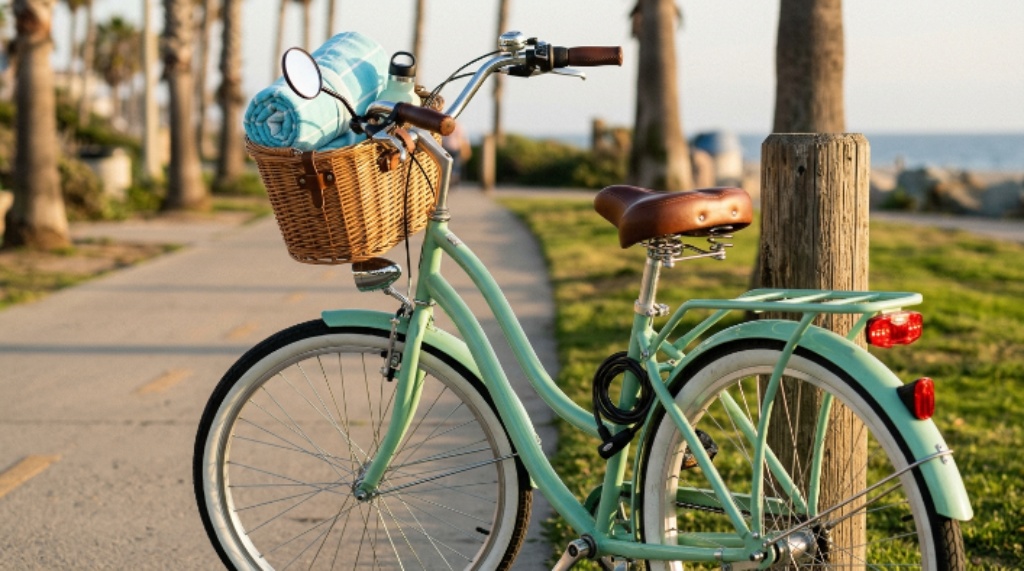
The best way to choose cruiser bike accessories is to match each item to your riding style, distance, weather, and safety needs. Start with a properly fitted helmet, reliable lights, comfortable grips, practical storage, and visibility gear before adding convenience items. In 2026, product quality also matters because the CPSC recalled about 9,546 bicycle helmets in one 2026 case, while another recall affected about 520 helmets.
These cases show why riders should check safety compliance instead of buying based on appearance alone. A cruiser bike already offers a relaxed riding position, but the right accessories can make that experience much better. Therefore, build your setup around protection first, comfort second, and convenience third.
Start With Your Actual Riding Routine
Choosing accessories becomes easier when you understand how and where you ride. A rider cruising neighborhood streets needs different equipment from someone commuting daily or taking weekend trips.
First, consider your typical distance, road conditions, traffic levels, weather, and riding time. Then, consider whether you carry personal items, ride after sunset, or travel on rough pavement.
Use these questions before buying anything:
- How often do you ride?
- How far do you usually travel?
- Do you ride during evening hours?
- Do you carry a phone or small items?
- Do you ride during rain?
- Do you share roads with heavy traffic?
- Do you prefer comfort over speed?
- Do you need accessories for short trips or longer rides?
Your answers create a practical accessory priority list. As a result, you avoid spending money on equipment that rarely improves your actual rides.
Build Your Safety Setup First
Safety accessories should form the foundation of your cruiser bike setup. Comfortable equipment matters, but protection and visibility deserve priority.
Buy a Properly Fitted Bicycle Helmet
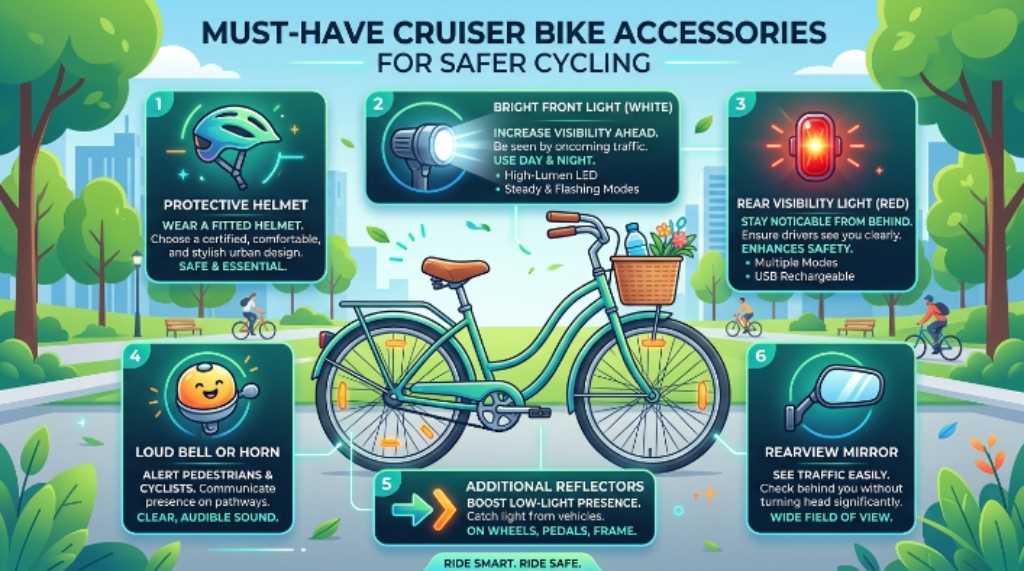
A helmet should always rank among your first cruiser bike accessories. Look for a bicycle helmet that meets the applicable federal safety requirements and fits your head securely.
Fit matters as much as the label. A helmet should sit level, remain stable during movement, and stay clear of your normal field of vision.
Check these points before buying:
- Measure your head according to the manufacturer instructions.
- Position the helmet level across your forehead.
- Adjust the retention system until it feels secure.
- Fasten the chin strap correctly.
- Confirm that the helmet stays stable when you move your head.
Also, inspect the helmet after any significant impact. Replace a helmet after a crash when the manufacturer recommends replacement, even if visible damage seems minor.
Add Front and Rear Bike Lights
Lights improve your visibility when daylight fades. They also help other road users recognize your position more easily.
Choose a white front light and a red rear light for basic visibility. Look for useful brightness, several operating modes, secure mounting, and enough battery life for your normal trips.
A powerful light does not automatically make the best choice. Instead, prioritize reliable mounting and easy operation while riding.
Use Reflective Accessories
Reflective equipment provides another layer of visibility. Consider reflective ankle bands, vest panels, bags, wheel elements, or clothing details.
Place reflective elements where vehicle headlights can easily catch them. Furthermore, moving reflective areas can help drivers recognize that they are seeing a cyclist.
Add a Bell or Audible Alert
A bicycle bell provides a simple way to communicate with pedestrians and other cyclists. Choose one that produces a clear sound without requiring excessive hand movement.
Mount it where your thumb can reach it naturally. Test the position before riding in crowded areas.
Improve Comfort Before Adding Extras
Cruiser bikes already emphasize relaxed riding, so comfort focused accessories can deliver noticeable benefits. However, comfort accessories should support your natural position rather than force a new one.
Choose Comfortable Handlebar Grips
Your hands absorb vibration and support your upper body during every ride. Therefore, uncomfortable grips can create hand fatigue surprisingly quickly.
Look for grips that match your hand size and riding position. Soft materials can feel pleasant, while firmer materials can provide better control during longer rides.
Avoid grips that feel excessively bulky. Your fingers should wrap naturally around the handlebar without creating unnecessary pressure.
Consider a Supportive Saddle
A comfortable saddle can change the entire character of a cruiser bike ride. However, softer does not always mean more comfortable.
Choose a saddle based on your riding posture, body position, and typical trip length. A properly shaped saddle can distribute pressure better than an extremely padded design.
Before replacing your saddle, check its height and angle. Small adjustments can solve discomfort without requiring a new seat.
Add Padded Cycling Gloves
Cycling gloves can reduce pressure across your palms and improve grip. They can also protect your hands from wind, sun, and minor abrasions.
Look for gloves that fit securely without restricting finger movement. Breathable materials can work well during warm weather.
For cooler rides, choose gloves that provide warmth without making brake and gear controls difficult to operate.
Choose Storage Based on What You Carry
Storage accessories should make your ride easier without affecting handling. Cruiser bikes work well with practical carrying solutions because many riders value convenience over maximum speed.
Use a Rear Rack
A rear rack can carry groceries, a small bag, or other everyday items. It provides a stable platform without forcing you to carry everything on your back.
Check the rack’s compatibility with your specific cruiser frame. Also, verify its load rating before carrying heavier items.
Add a Basket for Everyday Trips
A front or rear basket can suit riders who make short neighborhood trips. Baskets provide quick access to lightweight items and can suit casual cruiser riding particularly well.
However, avoid placing heavy objects too far forward. Excessive front weight can affect steering and make slow speed handling less predictable.
Consider a Pannier Bag
A pannier attaches to a compatible rack and keeps cargo beside the rear wheel. This design can distribute weight more effectively than a heavy backpack.
Choose a pannier with secure attachment points and enough capacity for your normal belongings. Waterproof construction can also help when weather changes unexpectedly.
Carry Essentials in a Small Frame Bag
A compact frame bag can hold items such as keys, tools, snacks, or a phone. It keeps small essentials accessible without filling a basket.
However, confirm that the bag does not interfere with your legs or steering. Secure every strap before leaving home.
Prepare for Basic Mechanical Problems
Even short rides can involve loose components, punctures, or minor adjustments. A few compact tools can prevent a small problem from becoming a long walk home.
Carry a Basic Repair Kit
A practical repair kit can include:
- Spare inner tube
- Tire levers
- Portable pump
- Compact multitool
- Patch kit
- Small adjustable wrench when appropriate
- Emergency contact information
Choose tools that match the components installed on your cruiser. There is little value in carrying equipment that cannot service your bicycle.
Add a Secure Water Bottle Holder
Hydration becomes more important as riding distance and temperature increase. A bottle cage gives you easier access to water without stopping frequently.
Mount the cage where you can reach it without changing your riding position dramatically. Also, check that the bottle stays secure over uneven pavement.
Select Accessories for Weather Conditions
Weather can change the value of certain accessories dramatically. Therefore, think about seasonal riding before purchasing everything at once.
Prepare for Rain
Rain can reduce visibility and make braking conditions less predictable. Fenders can help keep water and road debris away from your clothing and bicycle components.
Choose fenders that fit your cruiser frame and tire size. Make sure they provide enough clearance around the wheels.
A waterproof bag can also protect electronics, documents, and other essentials. However, do not assume every bag remains waterproof after prolonged exposure.
Protect Yourself From Sun Exposure
Long rides under direct sunlight can create discomfort even at moderate temperatures. Sunglasses can protect your eyes from glare, dust, insects, and wind.
Choose lenses that provide clear vision in the conditions where you normally ride. Wraparound designs can provide additional coverage without creating excessive visual distortion.
A lightweight cycling cap can also help manage sunlight and sweat. However, make sure it does not interfere with proper helmet placement.
Think About Visibility Beyond Lights
Visibility depends on more than attaching a lamp to the bicycle. Your position, clothing, reflectors, and riding behavior all influence how easily others can recognize you.
Consider accessories with bright or reflective elements when riding near traffic. Additionally, keep lights and reflectors clean so dirt does not reduce their effectiveness.
Check your lights before every evening ride. Replace weak batteries or recharge rechargeable units before leaving home.
Choose Technology Only When It Solves a Problem
Modern cycling accessories can add useful features, but technology should serve your riding needs. Avoid buying electronics simply because they offer more functions.
Consider a Phone Mount Carefully
A phone mount can provide convenient access to navigation information. However, the mount should hold your device securely and remain stable across normal road vibration.
Position the phone where you can glance briefly without taking your attention away from traffic. Never rely on constant screen viewing while riding.
Consider a Bicycle Computer
A basic bicycle computer can show speed, distance, ride time, and other useful information. It can suit riders who want simple performance tracking without using a phone.
For casual cruiser riding, however, a computer may not provide enough value to justify another device. Consider your actual goals before adding one.
Add a Compact Power Bank When Needed
Longer rides can drain a phone battery quickly, especially when navigation remains active. A small power bank can provide useful backup power.
Store it securely inside a bag rather than leaving loose cables near moving components. Keep electronic equipment protected from moisture.
Match Accessories to Cruiser Bike Design
Not every accessory fits every cruiser bicycle. Frame geometry, handlebar shape, wheel size, mounting points, and brake configuration can affect compatibility.
Before ordering an accessory, check:
- Frame mounting points
- Handlebar diameter
- Wheel and tire dimensions
- Rack compatibility
- Brake cable clearance
- Fender clearance
- Accessory weight limits
- Manufacturer installation instructions
Measure first whenever the product requires a specific dimension. This simple step can prevent returns, poor fit, and unsafe installations.
Avoid Accessories That Create New Problems
More equipment does not automatically create a better bicycle. Excessive accessories can add weight, clutter controls, interfere with cables, or make maintenance harder.
For example, an oversized basket can affect steering when heavily loaded. Likewise, loose straps can contact wheels or moving components.
Inspect every accessory after installation. Move the handlebars, squeeze the brakes, turn the pedals, and rotate the wheels before riding.
Use a Simple Accessory Priority System
If you have a limited budget, buy accessories according to their practical importance. This approach keeps your setup useful without creating unnecessary expense.
Use this priority order:
- Properly fitted helmet
- Front and rear lights
- Bell or audible alert
- Reflective visibility accessories
- Comfortable grips
- Suitable saddle
- Water bottle holder
- Repair kit
- Storage solution
- Weather protection
- Navigation accessories
- Optional electronic devices
This order works because it addresses protection, visibility, control, comfort, reliability, and convenience. You can then add specialized accessories as your riding habits develop.
Check Quality Before Buying
A low price does not always represent good value. Conversely, an expensive accessory does not automatically provide better performance.
Look for clear product specifications, compatible dimensions, reliable mounting hardware, and understandable care instructions. Also, inspect safety related products for appropriate compliance markings and manufacturer information.
For helmets, pay particular attention to certification and fit information. Recent recalls show why riders should avoid treating attractive design or low cost as proof of safety.
Test Every New Accessory Before a Long Ride
Never install several unfamiliar accessories immediately before a long trip. Test each important item during a short local ride first.
Pay attention to steering, braking, balance, hand position, and access to controls. Then, adjust anything that feels awkward before increasing your distance.
After the first few rides, inspect mounting bolts and attachment points again. Some accessories can settle slightly after initial use.
Build Your Ideal Cruiser Setup Gradually
The best cruiser bike accessories depend on how you actually ride. Someone who rides to the store needs a different setup from someone who explores local trails every weekend.
Start with protection and visibility. Next, solve the comfort problems you notice, then add storage and repair equipment.
Finally, add convenience accessories only when they provide a clear benefit. This approach creates a lighter, safer, and more useful bicycle without unnecessary clutter.
A Practical Cruiser Bike Accessory Checklist
Before your next ride, check whether your setup includes the essentials below:
- Properly fitted bicycle helmet
- Front and rear lights
- Reflective visibility equipment
- Bell or audible alert
- Comfortable grips
- Suitable saddle
- Cycling gloves
- Water bottle and cage
- Compact repair kit
- Appropriate storage
- Weather protection
- Secure phone mount when needed
You do not need every item on the list immediately. Instead, use it as a planning guide and build your setup around your actual riding conditions.
Conclusion
Choosing cruiser bike accessories works best when you solve real riding problems instead of collecting unnecessary gear. Start with a compliant, properly fitted helmet, dependable lights, visibility equipment, and reliable control accessories. Then improve comfort with suitable grips, a supportive saddle, gloves, hydration, and practical storage. Finally, add repair tools and technology according to your riding habits. Before every longer trip, inspect your equipment and confirm that nothing interferes with steering, braking, or wheel movement. Build your setup gradually, test each addition locally, and prioritize accessories that make every ride safer, easier, and more comfortable.
FAQs
What are the most important cruiser bike accessories?
A properly fitted helmet, front and rear lights, reflective gear, a bell, and basic repair tools provide the strongest starting setup.
How do I choose a comfortable cruiser bike saddle?
Choose a saddle that supports your riding posture and distributes pressure without creating excessive pressure points.
Do cruiser bikes need front and rear lights?
Yes, front and rear lights improve visibility when riding during low light conditions or after sunset.
What storage works best for a cruiser bike?
A rear rack with a pannier or a properly secured basket works well for most everyday cruiser riding.
How can I check cruiser bike accessory compatibility?
Check your frame, handlebar, wheel, tire, brake, and mounting dimensions against the accessory specifications before buying.