
Colorado Wildfire Damage by County Stats

Emergency Shower Head Replacement Trick: A Quick Fix When You Can’t Wait

Are Buckwheat Pillows Comfortable? What You Need to Know Before Buying

Colorado faces increasing wildfire threats that devastate communities across multiple counties each year. The state’s mountainous terrain and dry climate create perfect conditions for large-scale fires. Understanding wildfire damage statistics by county helps residents, officials, and organizations prepare for future emergencies. Colorado Springs Home Living provides valuable insights into how these natural disasters impact local communities and property values throughout the region.
Recent years have witnessed unprecedented wildfire activity throughout Colorado. The state has experienced several record-breaking fires that reshaped entire landscapes. However, the largest wildfire in colorado history remains the Cameron Peak Fire, which burned over 208,000 acres in 2020. Additionally, this massive fire affected multiple counties and caused millions of dollars in damage.
Twenty of the state’s largest wildfires have occurred in the last 20 years, with sixteen happening since 2008. Therefore, wildfire frequency and intensity continue to increase significantly. Climate change, drought conditions, and forest management practices contribute to this alarming trend.
Understanding Colorado’s Wildfire Statistics
Recent Wildfire Trends
The Cameron Peak Fire became Colorado’s largest wildfire in history, burning 208,913 acres and surpassing the previous record held by the Hayman Fire for nearly 20 years. The Hayman Fire occurred during the severe 2002 wildfire season when nearly 360,000 acres burned statewide. However, recent fires have shown even more destructive potential.
Modern wildfire seasons extend longer than historical patterns. Fires now occur year-round due to changing weather conditions. Additionally, urban development in wildland areas increases property damage risks significantly.
County-Level Impact Analysis
Different counties experience varying wildfire impacts based on geography, vegetation, and development patterns. Mountain counties typically face the highest acreage burned annually. However, plains counties increasingly experience severe grass fires that spread rapidly.
Fire suppression costs have skyrocketed across all affected counties. State and federal agencies spend millions fighting fires each season. Therefore, prevention and preparedness programs receive increased funding and attention.
Major County Damage Statistics
Larimer County
The Cameron Peak Fire burned through Larimer and Jackson Counties, costing nearly $134 million to fight. This fire affected both national forests and private property extensively. The fire damaged or destroyed 469 structures, including 42 primary homes. Additionally, the market loss exceeded $6 million according to the Larimer County Assessor’s Office.
Larimer County regularly experiences significant wildfire activity due to its forest coverage and mountain terrain. The county has implemented comprehensive wildfire mitigation programs. However, rapid population growth continues to increase risk exposure.
Jefferson County
Jefferson County faces unique challenges with its proximity to Denver and extensive wildland-urban interface. The Lower North Fork Fire in 2012 destroyed 27 homes and caused three fatalities. Additionally, property values in high-risk areas reflect ongoing wildfire concerns.
Insurance costs have increased substantially for Jefferson County residents. Many properties now require specific wildfire mitigation measures. Therefore, homeowners invest heavily in defensible space and fire-resistant landscaping.
Boulder County
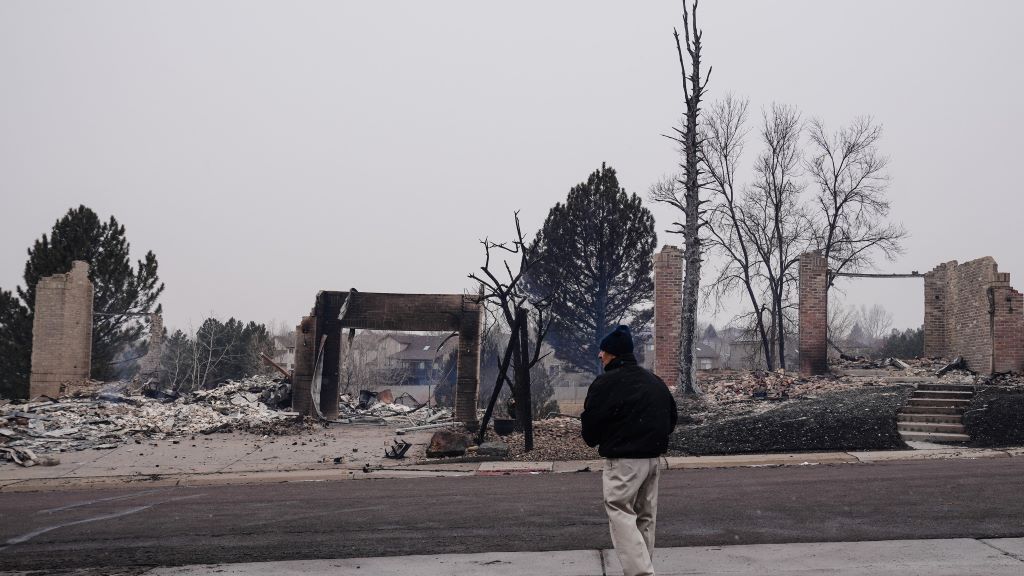
The Marshall Fire in December 2021 became Colorado’s most destructive wildfire in terms of structures lost. This fire destroyed over 1,000 homes and businesses in Boulder County. However, the fire burned relatively few acres compared to forest fires.
Boulder County’s grassland fires spread rapidly due to high winds and dry conditions. Urban areas face particular vulnerability during winter months. Additionally, recovery efforts continue years after major fire events.
El Paso County
The Black Forest Fire caused two fatalities, destroyed 486 houses, and resulted in $300 million in damage. This 2013 fire remains one of Colorado’s most destructive residential fires. El Paso County has since implemented stricter building codes in high-risk areas.
The Waldo Canyon Fire in 2012 also significantly impacted El Paso County. This fire threatened Colorado Springs directly and forced massive evacuations. Therefore, urban wildfire preparedness became a county priority.
Jackson County
Jackson County experienced significant damage from the Cameron Peak Fire’s northern spread. Rural properties and ranching operations suffered extensive losses. However, the county’s lower population density limited structural damage compared to urban areas.
Agricultural impacts in Jackson County extended beyond direct fire damage. Smoke and ash affected livestock and crops across the region. Additionally, tourism revenue declined significantly during and after major fire events.
Economic Impact Analysis
Property Damage Costs
Wildfire property damage varies significantly by county and fire type. Forest fires typically burn more acreage but may destroy fewer structures. However, interface fires often cause higher property damage per acre burned.
Insurance claims following major wildfires reach hundreds of millions of dollars. Replacement costs continue rising due to construction material prices and labor shortages. Therefore, communities face long recovery periods after significant fires.
Infrastructure Damage
Wildfires damage critical infrastructure including power lines, communication towers, and transportation systems. Repair costs often exceed initial fire suppression expenses. Additionally, infrastructure replacement may take years to complete fully.
Water treatment facilities face particular vulnerability during wildfire events. Contaminated watersheds require extensive remediation efforts. However, alternative water sources help maintain service during recovery periods.
Tourism and Recreation Losses
Colorado’s tourism industry suffers significant losses during major wildfire seasons. Ski areas, national forests, and outdoor recreation businesses experience reduced visitor numbers. Additionally, smoke affects air quality across wide areas, deterring tourists.
Recovery marketing efforts help restore visitor confidence after fire events. However, damaged landscapes may take decades to fully recover their scenic appeal. Therefore, tourism impacts extend far beyond immediate fire seasons.
Fire Prevention and Mitigation
County-Level Programs
Each county implements specific wildfire mitigation strategies based on local risk factors. These programs include defensible space requirements, building code updates, and evacuation planning. However, funding limitations restrict comprehensive implementation across all high-risk areas.
Interagency cooperation improves fire response effectiveness significantly. Counties share resources and coordinate evacuation procedures. Additionally, regional planning addresses fires that cross county boundaries.
Community Preparedness
Residential preparedness programs help reduce property damage during wildfires. These initiatives include vegetation management education and emergency supply recommendations. Therefore, informed residents make better decisions during fire threats.
Neighborhood fire departments receive specialized wildfire training annually. Equipment upgrades focus on wildland-urban interface capabilities. However, volunteer departments face recruitment and funding challenges in rural areas.
According to CNN, climate change continues to increase wildfire risks across the western United States, with Colorado experiencing particularly severe impacts due to its diverse terrain and growing population in fire-prone areas.
Future Projections and Planning
Climate Change Implications
Scientific models predict increased wildfire frequency and intensity throughout Colorado. Higher temperatures and altered precipitation patterns create longer fire seasons. Additionally, mountain snowpack changes affect vegetation moisture levels significantly.
Adaptation strategies must address both immediate risks and long-term trends. Counties invest in improved fire forecasting and early warning systems. However, complete risk elimination remains impossible given natural fire cycles.
Development Considerations
Future development planning increasingly incorporates wildfire risk assessments. Counties restrict building in extremely high-risk areas and require specific mitigation measures. Therefore, property values reflect wildfire risks more accurately than previously.
Insurance availability guides development patterns in many areas. Properties without adequate fire protection face coverage limitations or high premiums. Additionally, mortgage requirements may mandate specific fire safety features.
Conclusion
Colorado wildfire damage statistics reveal increasing threats across multiple counties, with recent fires breaking historical records for both size and destruction. The Cameron Peak Fire exemplifies this trend, burning over 208,000 acres and causing millions in damage across Larimer and Jackson Counties. Additionally, county-level impacts vary significantly based on terrain, development patterns, and preparedness levels.
Economic consequences extend beyond immediate property damage to include infrastructure costs, tourism losses, and long-term recovery expenses. Therefore, comprehensive mitigation strategies combining prevention, preparedness, and recovery planning remain essential for protecting Colorado communities. Future wildfire risks will likely increase due to climate change and continued development in fire-prone areas.
Frequently Asked Questions
Which Colorado county experiences the most wildfire damage annually? Larimer County typically experiences the highest wildfire damage due to its extensive forest coverage and mountain terrain. However, damage varies significantly based on specific fire seasons and weather conditions.
How do wildfire statistics compare between mountain and plains counties? Mountain counties generally experience larger fires by acreage, while plains counties face rapidly spreading grass fires. Additionally, mountain fires often cause higher suppression costs due to difficult terrain access.
What factors contribute to increasing wildfire damage in Colorado? Climate change, drought conditions, urban development in fire-prone areas, and accumulated forest fuels contribute to increasing damage. Therefore, multiple factors interact to create higher risk levels statewide.
How do counties fund wildfire prevention and response programs? Counties use combinations of property taxes, federal grants, state funding, and special district assessments to fund wildfire programs. However, funding often falls short of comprehensive risk reduction needs.
What should residents know about wildfire insurance coverage? Standard homeowners insurance typically covers wildfire damage, but availability may be limited in high-risk areas. Additionally, residents should document property values and maintain adequate coverage limits for replacement costs.
Read More:






