
Fishing in Wind, Rain, and Heat: How to Adjust Your Strategy

From Novice to Net Worth: How One Investor Turned $5K into $100K

The Role of Personalized Care in Modern Healthcare
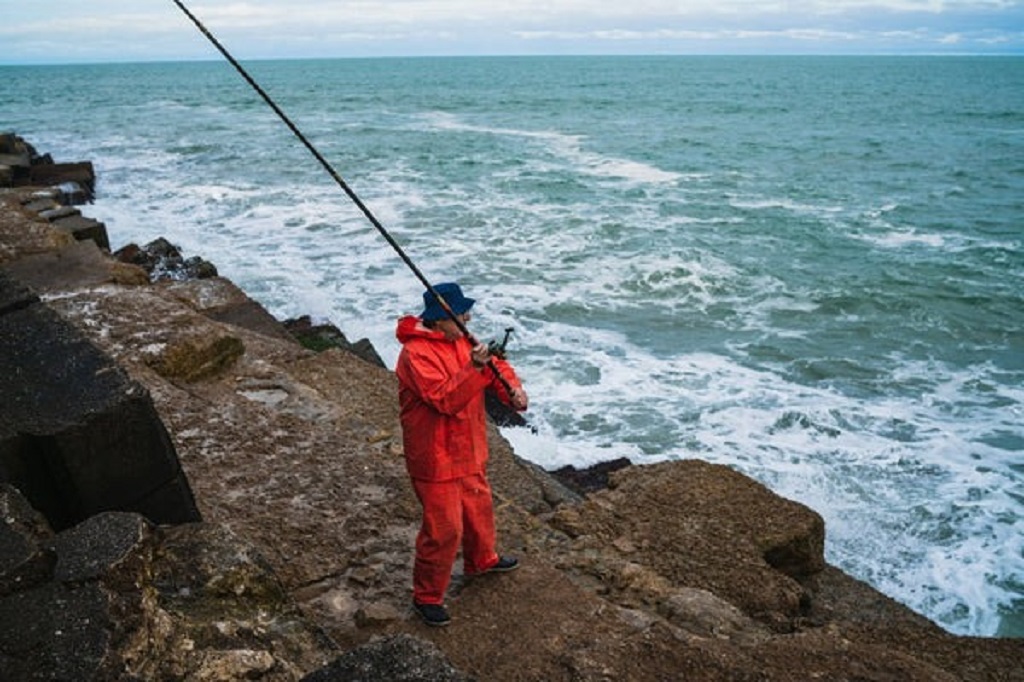
Mother Nature doesn’t always offer the perfect sunny day when it’s time to hit the water. Whether you’re facing gusty winds, unexpected downpours, or scorching heat, the elements test every angler’s patience and skills. Fishing in wind, rain, and heat: how to adjust your strategy isn’t just a question of endurance—it’s a matter of technique, preparation, and knowing what triggers fish behavior in changing weather.
Why Weather Matters in Fishing
Weather drastically alters underwater ecosystems. It affects water temperature, clarity, oxygen levels, and fish movement. According to NOAA Fisheries, barometric pressure shifts and temperature fluctuations are primary drivers of feeding patterns and fish location. Ignoring weather factors reduces your chances of catching anything at all.
Instead of cancelling the trip, adapt to the conditions. That’s the sign of a seasoned angler.
Fishing in Wind: Let the Breeze Work for You
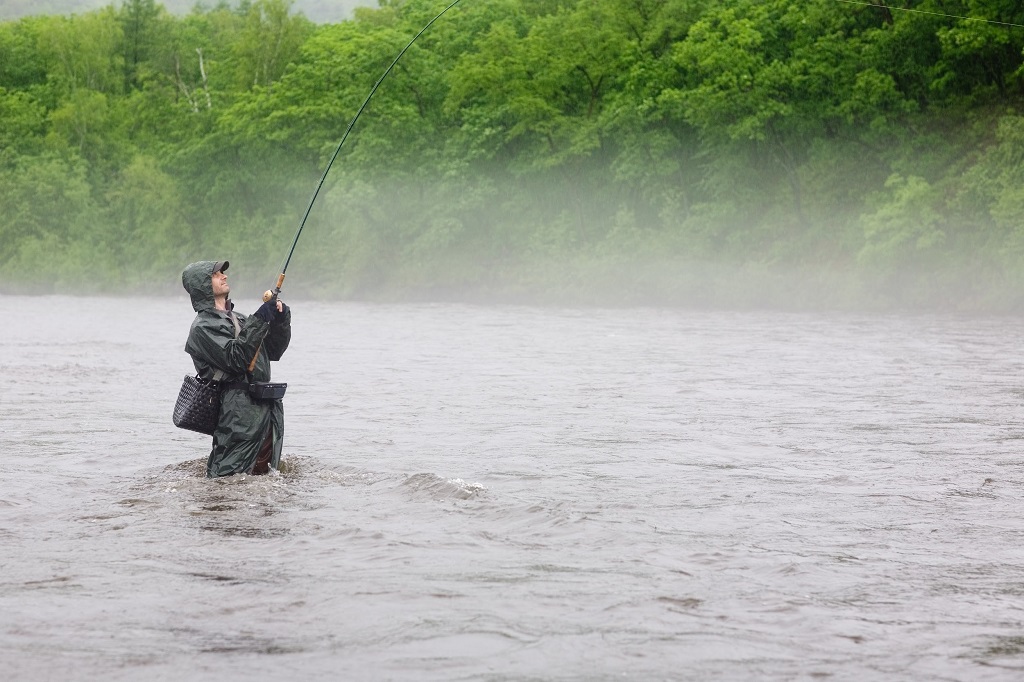
Wind is often seen as an inconvenience, but experienced anglers view it as an advantage. Moderate wind creates surface disturbance, reducing light penetration. This masks your line and allows fish to move into shallower waters with confidence.
Adjustments for Wind:
- Position Strategically: Always fish on the windward side of a lake or pond. Wind pushes plankton and baitfish, and predators follow.
- Use Heavier Lures: Heavier jigs or crankbaits help you cast farther and maintain control in choppy waters.
- Anchor Smartly: Drift with the wind or use a wind sock if trolling. Maintain your direction to cover water efficiently.
Scientific Insight:
According to Field & Stream, fish such as bass and walleye tend to become more active during windy conditions due to the movement of prey and oxygenation of the surface.
However, strong gusts over 20 mph can make line control difficult. Always check wind forecasts through reliable apps like Windy.com before heading out.
Fishing in Rain: Use the Disruption
Light to moderate rain can be one of the best times to fish. It cools surface water, increases oxygen, and washes insects and nutrients into the water. The noise also masks your movements and splashes.
Adjustments for Rain:
- Switch to Topwater Lures: Fish often feed at the surface during rainfall, especially species like trout and bass.
- Focus on Runoff Areas: Inflows and creeks become feeding highways during rain as food gets flushed in.
- Bright or Noisy Baits: Rain lowers visibility. Use spinners or brightly colored plastics to grab attention.
A Bassmaster study reported that post-rain conditions often trigger aggressive feeding among bass, especially in summer.
However, heavy rain that turns water murky or leads to a cold front drop can suppress fish activity. Always observe water clarity and temperature shifts.
Fishing in Heat: Beat the Scorch and Find the Depth
Extreme heat slows fish metabolism and reduces their surface activity. Water loses oxygen quickly in hot weather, pushing fish deeper where conditions are stable and cooler.
Adjustments for Heat:
- Fish Early or Late: Prime hours are just after sunrise and before sunset. Avoid high-noon slumps.
- Go Deep: Use drop shots, Carolina rigs, or deep-diving crankbaits. Focus on thermoclines and underwater structure.
- Shade and Oxygen: Target shaded banks, overhangs, or areas near springs and inflows.
Outdoor Life recommends using electronics to locate deeper schools of fish in summer months. Also, temperature stratification can lead to surprising feeding windows at night when fish move up slightly.
Make hydration and sun protection your priority. A heat stroke is never worth the catch.
Real-World Example: Summer Bass Success
In July 2023, angler Terry Bolton dominated Lake Chickamauga by targeting submerged vegetation during heatwaves. By fishing early, using deep crankbaits, and adjusting for oxygen levels, he landed multiple 5-pound bass when others struggled.
This isn’t luck—it’s adapting to fishing in wind, rain, and heat: how to adjust your strategy.
Read More Also: How One Investor Turned $5K into $100K
FAQs on Fishing in Wind, Rain, and Heat
Is it better to fish before or after the rain?
Before light rain, fish feed actively. After heavy rain, muddy waters may reduce bites temporarily.
What’s the best bait for windy conditions?
Use weighted spinnerbaits, jigs, or lipless crankbaits. These stay stable and visible in choppy water.
How do I find fish during extreme heat?
Look for deep water with structure or thermoclines. Use sonar if possible to locate fish schools.
Is fishing safe during rain or storms?
Light rain is fine, but avoid fishing when lightning is present. Always monitor radar updates.
How does wind direction affect fish?
Wind moves baitfish. Cast into or across the wind to place your bait where fish naturally feed.
What color lures should I use in overcast or rainy conditions?
Use bright or contrasting colors like chartreuse, white, or black for visibility in dim lighting.
Do fish bite at midday during summer?
Rarely. Most fish seek cooler depths. Early morning and late evening are much more productive.
Read More Also: Smart Tech Strategies Every Nonprofit Should Know
Final Thought
Fishing in wind, rain, and heat: how to adjust your strategy isn’t just survival—it’s the key to unlocking untapped opportunities. Fish respond to weather. So should you.
Stop skipping fishing trips due to weather and start using the elements to your advantage. With smart tactics, solid preparation, and an eye on the environment, you can dominate the water no matter what the skies bring.
Fishing doesn’t stop when the weather turns. It evolves—and so should you.






