
The Art of Produce Pairing: A Guide to Storing Fruits and Vegetables for Optimal Freshness

The Secrets to Making Money on Social Media

Protecting Your Garden: Essential Wildlife Prevention Tips
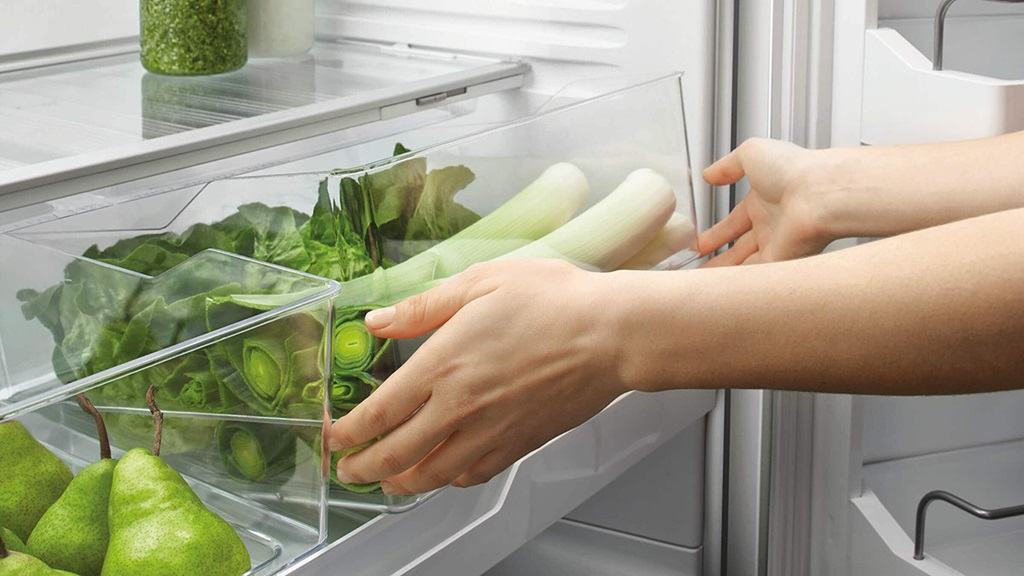
Proper storage is key to maximizing the flavor and lifespan of your fresh produce. However, not all fruits and vegetables play well together. Some release gases that can accelerate the ripening (and spoilage) of others. Understanding these interactions can help you make informed decisions about how to store your produce for optimal freshness.
The Ethylene Factor: The Ripening Hormone
Ethylene is a natural plant hormone that triggers the ripening process. Some fruits and vegetables are high ethylene producers, while others are sensitive to it.
High Ethylene Producers:
- Fruits: Apples, apricots, avocados, bananas, cantaloupe, figs, honeydew melons, mangoes, nectarines, papayas, peaches, pears, plums
- Vegetables: Tomatoes
Ethylene-Sensitive:
- Fruits: Berries (strawberries, blueberries, raspberries, blackberries), cherries, grapes, kiwis, watermelon
- Vegetables: Asparagus, broccoli, Brussels sprouts, cabbage, carrots, cauliflower, cucumbers, eggplant, leafy greens, okra, peppers, potatoes, summer squash, sweet potatoes
Key Takeaway: To avoid premature spoilage, store high ethylene producers separately from ethylene-sensitive produce.
Storage Compatibility Chart
| High Ethylene Producers | Ethylene-Sensitive | Neutral | |
| High Ethylene Producers | ✅ | ❌ | ✅ |
| Ethylene-Sensitive | ❌ | ✅ | ✅ |
| Neutral | ✅ | ✅ | ✅ |
Export to Sheets
Neutral Produce:
- Fruits: Citrus fruits (oranges, lemons, limes, grapefruits), pineapple, pomegranates
- Vegetables: Beets, corn, garlic, ginger, onions, parsnips, radishes, winter squash
Related: Is It Ok to Leave Food in Oven Overnight
Practical Storage Tips
- Refrigerate or Not?
-
- Refrigerate: Most fruits and vegetables, except those that continue to ripen after harvest (e.g., bananas, tomatoes, avocados).
- Room Temperature: Onions, garlic, potatoes, sweet potatoes, winter squash.
- Ripen then Refrigerate: Avocados, kiwis, pears, plums, peaches, nectarines.
- Separate Storage:
-
- Use different crisper drawers for ethylene producers and sensitive items.
- Store potatoes and onions separately, as they release moisture that can affect each other’s quality.
- Keep bananas away from other fruits, as they are particularly potent ethylene producers.
- Air Circulation:
-
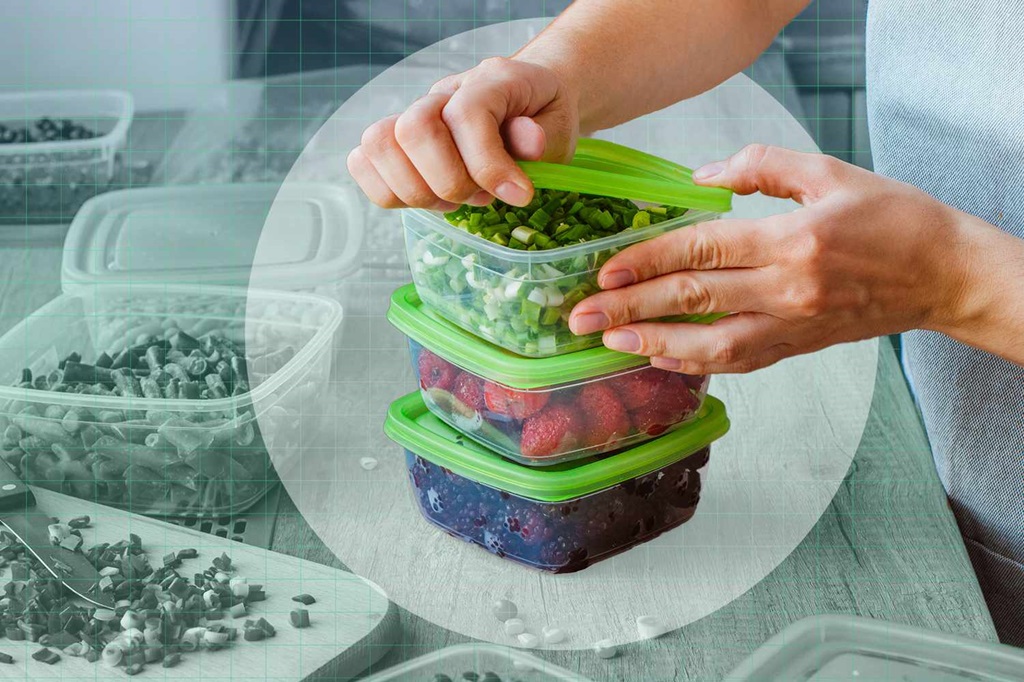
- Store produce in perforated bags or containers that allow for airflow.
- Avoid airtight containers or plastic bags, which can trap moisture and encourage spoilage.
- Inspect Regularly:
-
- Check for signs of spoilage (bruising, mold, softening) and remove any damaged produce promptly.
- Use older produce first to avoid waste.
Exceptions and Special Cases
- Ripening: If you want to ripen fruit faster, place it in a paper bag with an apple. The apple will release ethylene, accelerating the process.
- Berries: To prevent mold, wash berries just before consuming them, not before storage.
- Potatoes and Onions: Store in a cool, dark, dry place.
Going Beyond Storage: Additional Tips
- Harvest at the Right Time: Homegrown produce is often best when picked at peak ripeness.
- Handle with Care: Avoid bruising or damaging produce, as this can lead to faster spoilage.
- Proper Preparation: Washing and drying produce before storage can help prevent mold growth.
The Joy of Freshness
By following these storage guidelines and taking a little extra care, you can enjoy the vibrant flavors and nutritional benefits of fresh produce for longer. Remember, proper storage isn’t just about extending shelf life; it’s about savoring the best that nature has to offer. To further enhance your knowledge on this topic, you might also want to explore Semestatravel review on foods that travel well without refrigeration.






