
A Homeowner’s Checklist for Retiring an Old Heating Oil Tank in Montebello, NY

Is the Ceepuy Mini Chainsaw Review Worth Reading Before You Buy?
September 2, 2026
Is Amazon Basics Shop Vacuum for Garage a Good Choice for Homeowners?
September 6, 2026
Key Takeaways
- Do not cut, move, enter, or attempt to empty an old heating oil tank yourself.
- Identify the tank’s location, condition, connections, and likely fuel contents before requesting estimates.
- Check local permit, excavation, utility-marking, and environmental reporting requirements before work begins.
- Staining, petroleum odors, oily water, or damaged metal can indicate a release that needs prompt professional attention.
- Keep permits, photographs, disposal records, and any soil testing results for future property decisions.
For Montebello homeowners, an unused heating oil tank can become an important project long before a renovation, driveway replacement, or home sale is underway. Homeowners researching oil tank removal Montebello, NY can review Tank Masters Environmental Inc., a Warwick-based company whose Montebello page describes oil tank removal, tank abandonment, and soil and groundwater remediation services. Its listed service area includes Rockland County, making it a relevant local reference for understanding the choices involved when an aging residential tank needs to be retired.
Whether the tank sits in a basement, beside the home, or beneath a yard, careful planning matters. A tank that is no longer supplying a furnace or boiler may still contain heating oil, water, vapors, and sludge. Waiting until excavation is already scheduled can limit options and create avoidable disruption.
Why an Unused Tank Still Deserves Attention
Steel tanks can corrode over time, including in places that are difficult to inspect. A slow release may not be obvious from the surface, especially with a buried tank. It can affect nearby soil and may complicate landscaping plans, refinancing, insurance questions, or a future property transaction.
Consider a homeowner preparing a patio or putting a Montebello home on the market. Discovering an undocumented fill pipe or suspected underground tank late in the process can delay the project. Addressing the question early gives the owner time to gather records, compare qualified contractors, and plan for possible testing if conditions warrant it.
Step One: Gather the Tank’s Basic Details
Before calling a contractor, build a simple file with everything known about the system. Clear information helps each company prepare an estimate for the same general scope of work.
- Determine whether the tank is aboveground, buried, or located indoors.
- Estimate its age and capacity, if labels, delivery records, or prior reports are available.
- Confirm whether it remains connected to heating equipment or old supply lines.
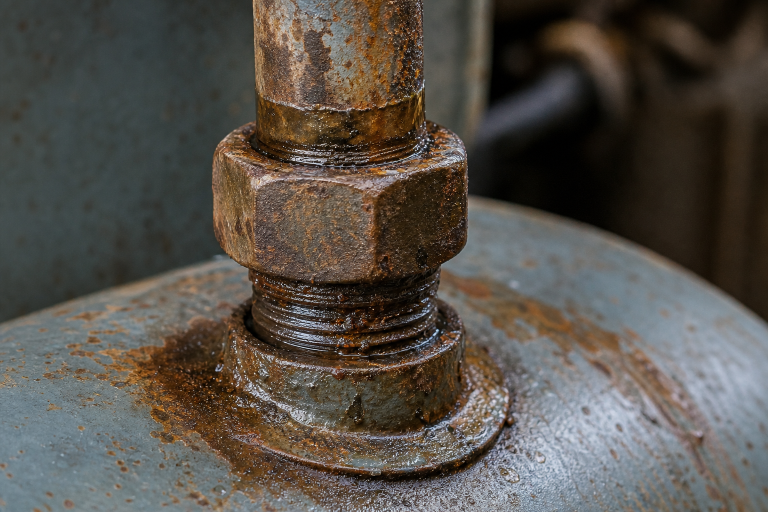
- Note visible rust, damp spots, stains, odors, damaged piping, or unstable tank legs.
- Locate old permits, inspection reports, fuel-delivery records, surveys, and property disclosures.
- Estimate whether usable fuel may still be inside, but leave pumping and measurement to trained professionals.
Step Two: Check Local Rules Before Digging
Requirements can differ based on the tank type, capacity, location, site conditions, and whether contamination is found. Contact the Village of Montebello building department and any applicable fire or environmental offices before scheduling excavation. Ask who must obtain permits, whether inspections are required, and how utility locating will be handled.
New York homeowners can also review state guidance for petroleum bulk storage to better understand the broader regulatory framework for petroleum tanks. Do not assume that a tank is exempt from every local requirement simply because it serves a single residence.
Questions to Ask Local Officials
- Is a permit required for removal or closure in place?
- Must underground utilities be marked before excavation?
- Are photographs, tank inspection notes, soil samples, or disposal receipts required?
- What should the owner or contractor do if petroleum staining or odors are discovered?
Step Three: Know What Professional Removal Usually Includes
A qualified crew should manage the work sequence safely, rather than asking a homeowner to disconnect lines or prepare the tank. The exact approach varies by site, but a typical project may include:
- Disconnect the tank from the heating system and stop future deliveries.
- Recovering remaining fuel where appropriate and removing residual oil, water, and sludge.
- Disconnecting, removing, or permanently securing fill, vent, and product lines.
- Excavating a buried tank, lifting it out, and inspecting the tank and excavation area.
- Transporting the tank and related waste materials through approved disposal channels.
- Backfilling and restoring the area after the work and any required assessment are complete.
Removal or Closure in Place?
Full removal is often preferred when practical because it allows the tank and surrounding area to be inspected directly. However, removal may not be feasible when a tank is under a structure, close to a retaining wall, or in another location where digging presents a structural concern.
- Removal: The tank is cleaned, taken out, inspected, and sent for proper disposal.
- Closure in place: When allowed by local requirements, the cleaned tank is permanently taken out of service and filled with an approved inert material.
- Site assessment: Staining, holes, odors, or unusual soil conditions may call for environmental evaluation and sampling.
Warning Signs of a Possible Leak
- Strong oil odors near the tank, fill pipe, basement, or nearby ground.
- Dark staining, oily water, wet areas, or a sheen in a sump or drain.
- Visible holes, severe corrosion, drips, or extensive rust on an aboveground tank.
- Dead or discolored vegetation around a suspected buried tank.
- Unusual fuel use or complaints about petroleum odors from nearby occupants.
Do not disturb suspicious soil or attempt to enter a tank. If a spill, leak, or contamination is suspected, act quickly to keep oil out of drains and waterways and consult New York’s spill-response guidance for the appropriate reporting and cleanup steps.
How to Compare Estimates and Hire Carefully
A low initial quote may not reflect the entire job. Request written estimates that clearly identify fuel handling, cleaning, excavation, hauling, disposal, pipe work, permits, restoration, testing, and the process if impacted soil is discovered.
Before hiring, ask whether the company is properly qualified for the work, carries general and pollution-liability insurance, handles required notifications, and provides photographs and disposal documentation. Also, ask what is included, what is excluded, and whether the estimate separates routine removal from possible environmental cleanup.
Documents to Keep After the Work
- Permit applications, approvals, and inspection records.
- Before-and-after photographs and tank-condition notes.
- Waste manifests, disposal receipts, and contractor invoices.
- Written confirmation that fill and vent lines were removed or secured.
- Soil or groundwater results, remediation records, and final closure documents, if applicable.
Final Checklist Before the Project Begins
- Record the tank’s location, condition, and known history.
- Stop fuel deliveries when the system is no longer in use.
- Confirm permits, notifications, and utility-marking responsibilities.
- Compare detailed written estimates from qualified contractors.
- Prepare for the possibility of soil evaluation if a release is found.
- Create a project file for every report, photograph, receipt, and approval.
Retiring an old heating oil tank is most manageable when the planning begins before the first pipe is disconnected or the first shovel enters the yard. A careful review of the tank, local requirements, contractor scope, environmental risks, and final paperwork can help Montebello homeowners protect their property and avoid unpleasant surprises later.


