
Keeping Your Garden a Cat-Poop-Free Zone: A Comprehensive Guide

Beyond Blueprints: How 3D Home Design Transforms Construction and Renovation

The Truth Behind Attachments And How To Overcome Yours

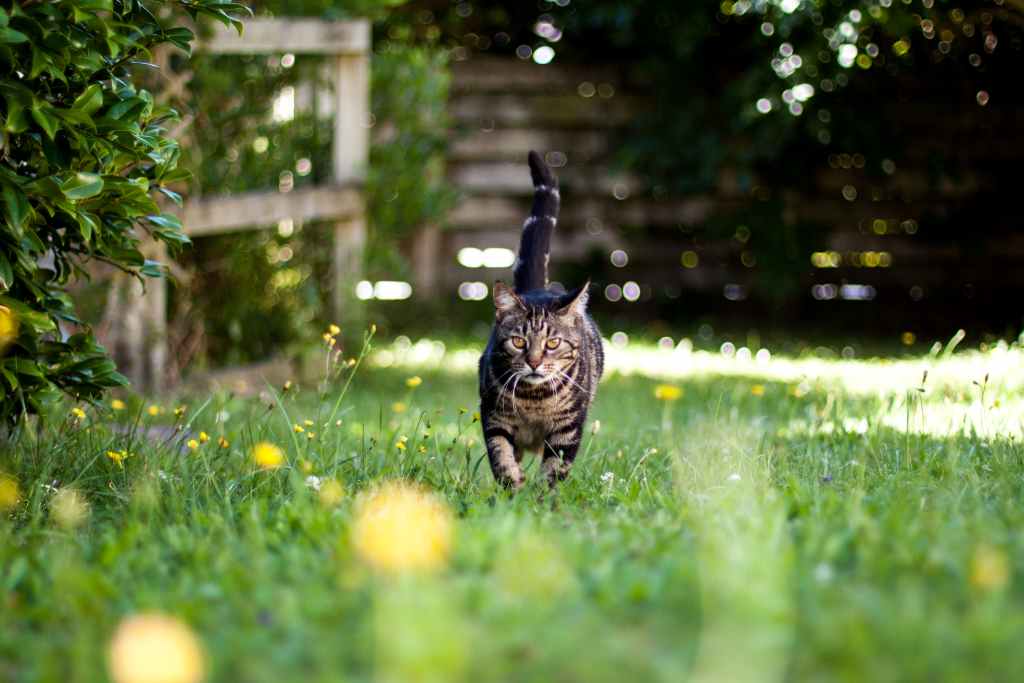
As a garden enthusiast, there’s nothing more frustrating than finding unwanted “gifts” from neighborhood cats in your carefully cultivated flower beds. Cat poop not only ruins the aesthetics of your garden but also poses potential health risks, not to mention the persistent cat urine smell that can linger in the area. Fortunately, with the right strategies and a bit of patience, you can deter these furry felines from using your garden as their personal litter box. This comprehensive guide will provide you with effective and humane methods to keep your garden a cat-poop-free zone.
Understanding the Problem
Before delving into the solutions, it’s important to understand why cats are attracted to gardens in the first place. Cats are naturally drawn to loose soil for digging and burying their waste. Additionally, the abundance of scents from plants and other animals can make your garden an enticing spot for territorial marking. By recognizing these factors, you can tailor your approach accordingly. Discover more about how to make your garden less appealing to cats while incorporating safe plants for cats to ensure both your garden and the local feline population stay happy and healthy.
Humane Deterrents
Physical Barriers:
-
- Netting and Wire Mesh: Cover vulnerable areas, such as flower beds and vegetable patches, with netting or wire mesh. This creates a physical barrier that prevents cats from accessing the soil.
- Spiky Mats or Gravel: Place spiky mats or a layer of gravel on top of the soil. The uncomfortable texture will deter cats from digging.
- Natural Fencing: Plant thorny shrubs or bushes around the perimeter of your garden to create a natural barrier.
Scent-Based Deterrents:
-
- Citrus Peels: Cats dislike the strong smell of citrus fruits. Scatter citrus peels (orange, lemon, grapefruit) around your garden to discourage them.
- Coffee Grounds: Used coffee grounds have a pungent odor that cats find offensive. Sprinkle them around your plants or mix them into the soil.
- Essential Oils: Certain essential oils, such as lavender, peppermint, and citronella, have scents that repel cats. Soak cotton balls in these oils and place them strategically around your garden.
- Commercial Repellents: There are various commercially available cat repellents that utilize scent and taste deterrents. Choose those that are safe for plants and pets.
Water-Based Deterrents:
-
- Sprinkler Systems: Motion-activated sprinklers can startle cats and discourage them from returning.
- Water Guns: If you catch a cat in the act, a quick spray of water can send a clear message.
Ultrasonic Deterrents:
-
- Ultrasonic Devices: These devices emit high-frequency sounds that are unpleasant to cats but inaudible to humans. Place them strategically around your garden.
Additional Tips and Tricks
- Maintain Cleanliness: Regularly clean up any existing cat poop in your garden. The scent of previous waste can attract other cats.
- Cover Sandbox Areas: If you have children, cover sandboxes when not in use to prevent cats from using them as litter boxes.
- Plant Cat-Repelling Plants: Certain plants, such as rue, lavender, and pennyroyal, have strong scents that cats dislike. Incorporate these into your garden design.
- Provide Alternatives: Create a designated digging area for cats elsewhere in your yard. Fill it with sand or loose soil to entice them away from your garden.
Important Considerations
- Be Patient and Consistent: It may take time and persistence for these deterrents to take effect. Be consistent with your efforts.
- Rotate Deterrents: Cats can become accustomed to certain scents and sounds. Rotate different deterrents to maintain their effectiveness.
- Humane Treatment: Always choose humane methods of deterrence. Avoid using harmful chemicals or traps that could injure animals.
Myths and Misconceptions
- Mothballs: Mothballs are toxic and can harm cats, children, and other animals. Avoid using them as deterrents.
- Predator Urine: While some commercial repellents contain predator urine, their effectiveness is questionable and may not be a long-term solution.
Beyond Deterrence: Creating a Cat-Friendly Environment
While deterring cats from your garden is essential, consider creating a cat-friendly area elsewhere in your yard. Provide a designated digging spot, offer fresh water, and plant catnip to attract them away from your prized plants.
By following these comprehensive guidelines, you can effectively safeguard your garden from unwanted feline intrusions. Remember, with patience, consistency, and a combination of deterrents, you can create a harmonious environment where both your plants and neighborhood cats can thrive.






